What is the difference between a traffic bollard and a parking bollard?
In the realm of urban infrastructure and facility management, few devices are as ubiquitous yet misunderstood as the bollard. While the terms traffic bollards and parking bollards are often used interchangeably, they serve distinctly different purposes, are engineered with unique material properties, and address separate safety and operational challenges. This article dissects these differences through the lens of professional road safety solutions, drawing on the manufacturing expertise of Hangzhou Lutai Import and Export Trading Co., Ltd., a global leader in the field. We will explore how product design, impact resistance, and application environments dictate the choice between these two essential categories, while also examining the broader ecosystem of traffic bollard manufacturers and the innovations emerging from a modern safety bollard factory.
1. Defining the Categories: Purpose and Core Philosophy
The primary distinction lies in the intended operational objective. A traffic bollard is fundamentally a channeling and force-redirection device. Its primary job is to guide moving vehicles, delineate lanes, and absorb kinetic energy during minor impacts to prevent catastrophic failures. These are the silent sentinels of highways, roundabouts, and high-speed thoroughfares. In contrast, a parking bollard is a static access control measure. It is designed to either permit or deny vehicle entry into a specific space, such as a private parking spot, a loading bay, or a pedestrianized zone. Where the traffic bollard manages flow, the parking bollard manages occupancy. This philosophical difference influences every subsequent design choice, from material selection to installation depth.
Hangzhou Lutai Import and Export Trading Co., Ltd. recognizes this distinction acutely in its product development. For traffic applications, the company leverages advanced polymers like TPU and EVA—materials that offer high elongation at break and instant shape memory. For parking applications, the emphasis shifts to mechanical robustness and locking mechanisms. As a prominent traffic bollard manufacturers entity, the company ensures that each product line adheres to its respective operational logic, avoiding the common pitfall of using a single design for two opposing tasks.
2. The Traffic Bollard: Engineering for Dynamic Impact
2.1 Definition and Technical Positioning
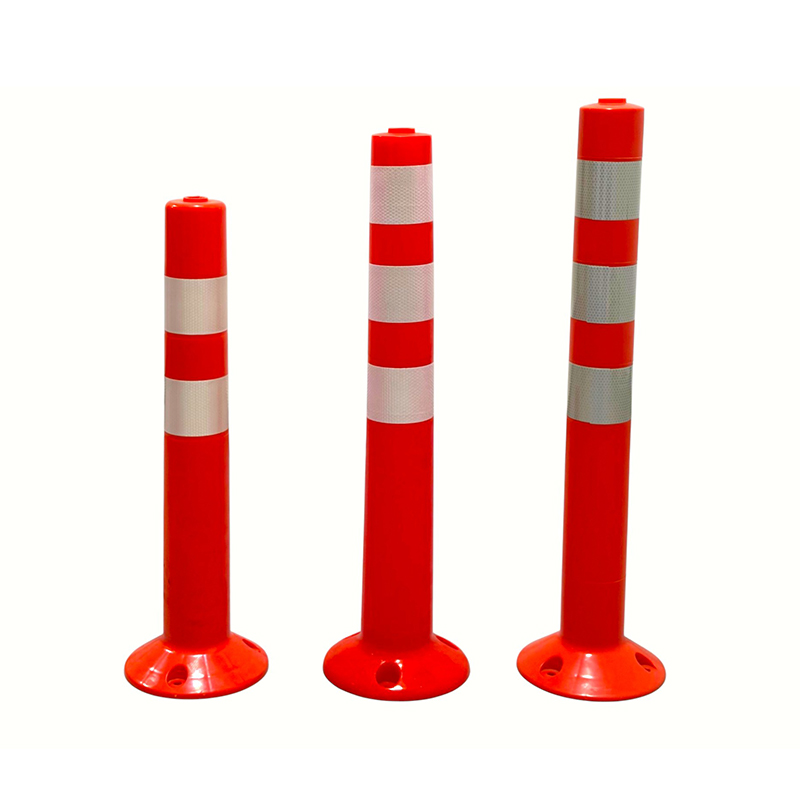
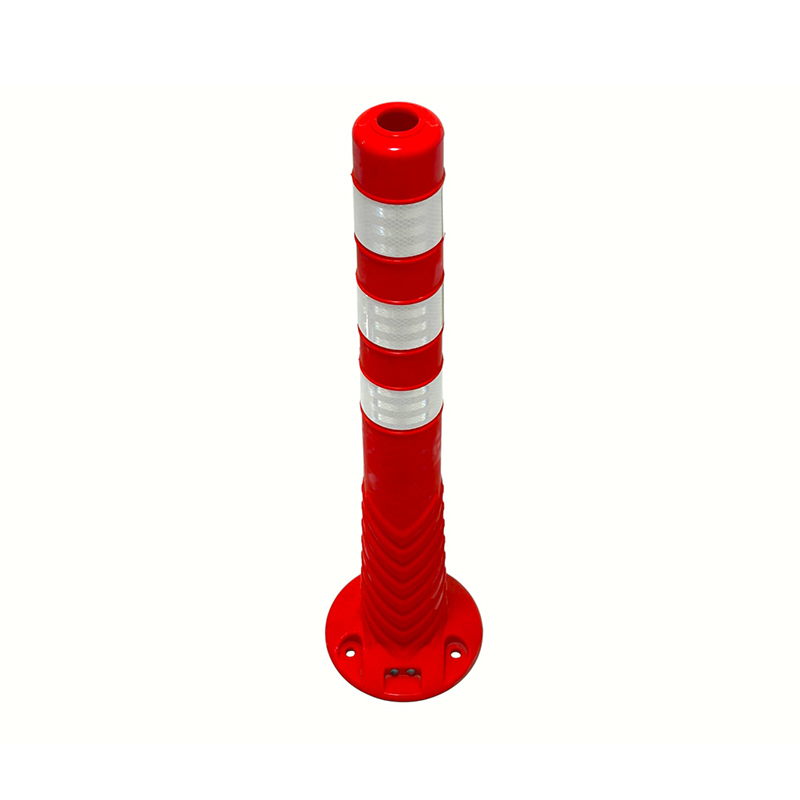
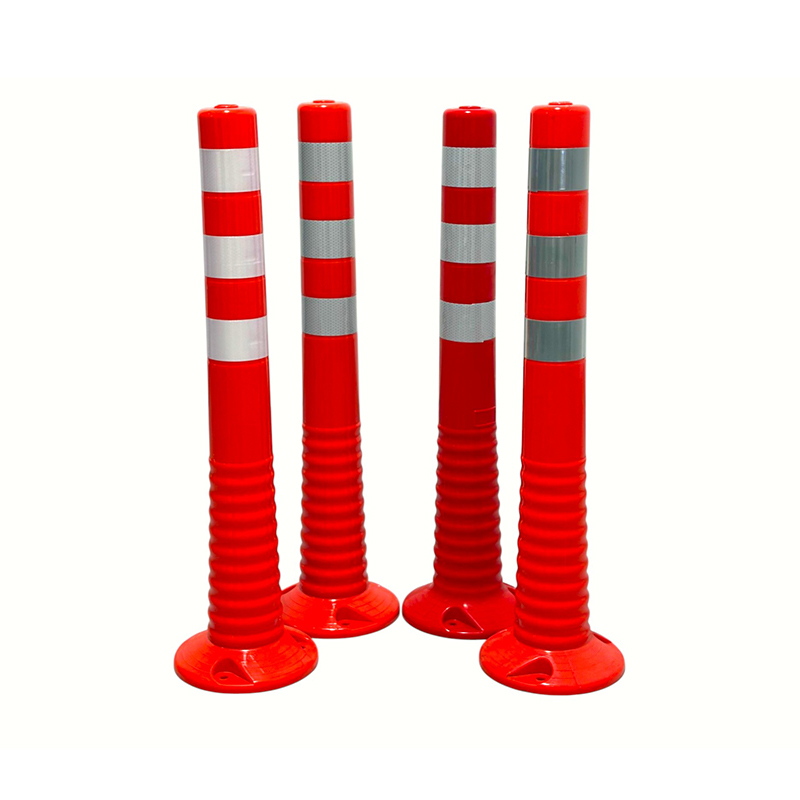
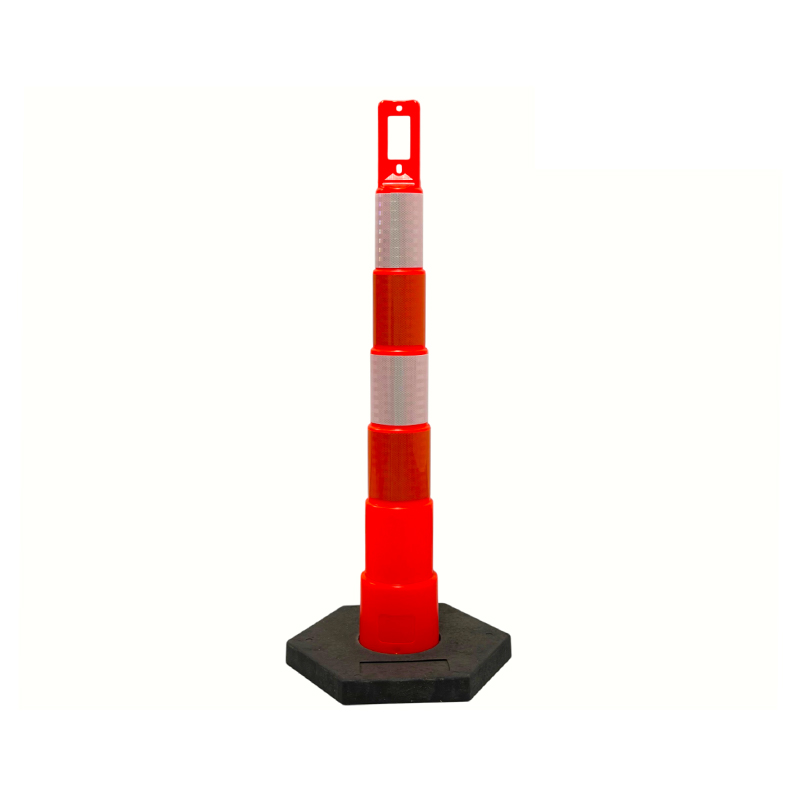
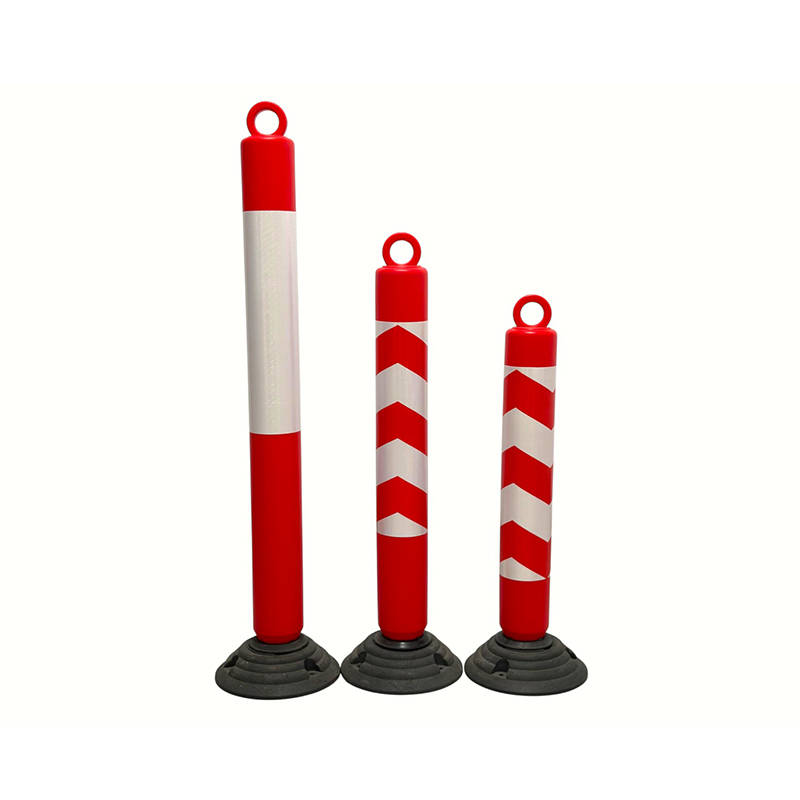
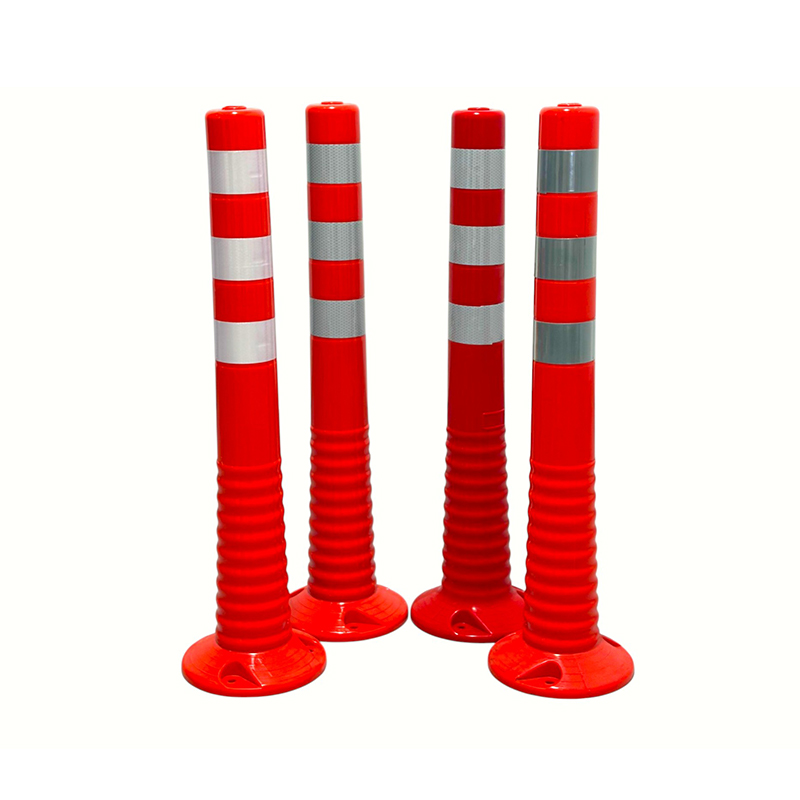
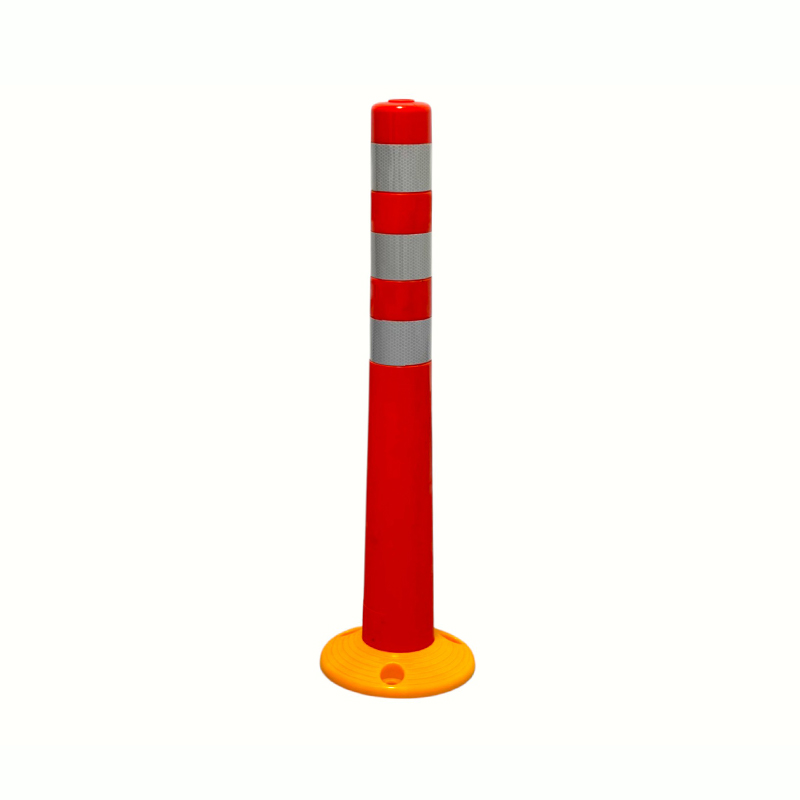
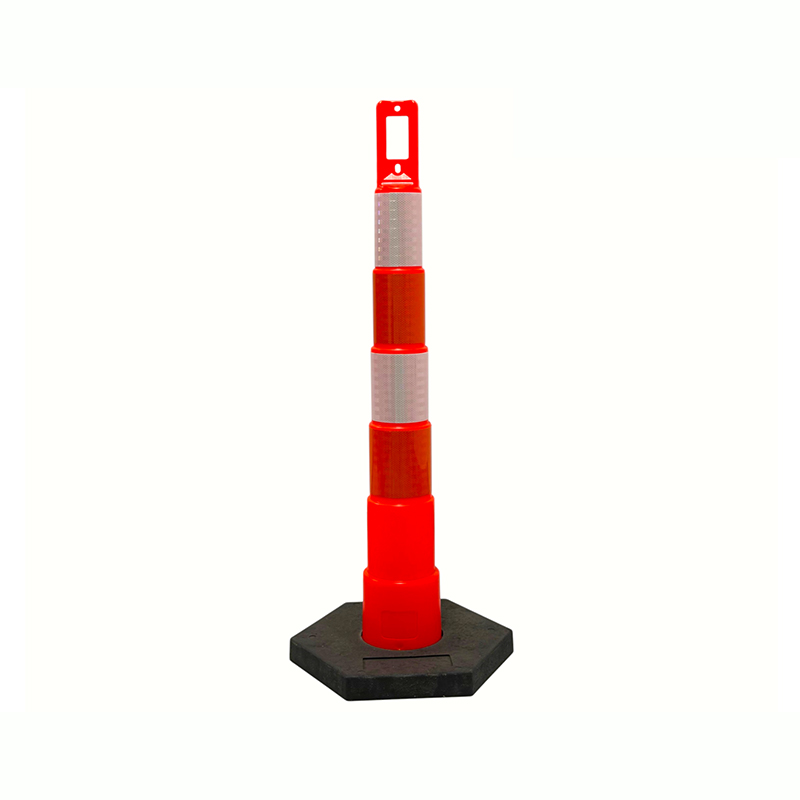
A traffic bollard is a vertical post engineered to manage vehicular kinetic energy in a controlled manner. Unlike rigid barriers, modern traffic bollards are often semi-rigid or flexible, designed to deflect upon impact and return to their original position. This category includes delineator posts, channelizers, and crash cushions. The primary metric for evaluating a traffic bollard is its impact recovery rate and its ability to maintain reflective visibility under adverse weather conditions.
2.2 Core Features and Material Science
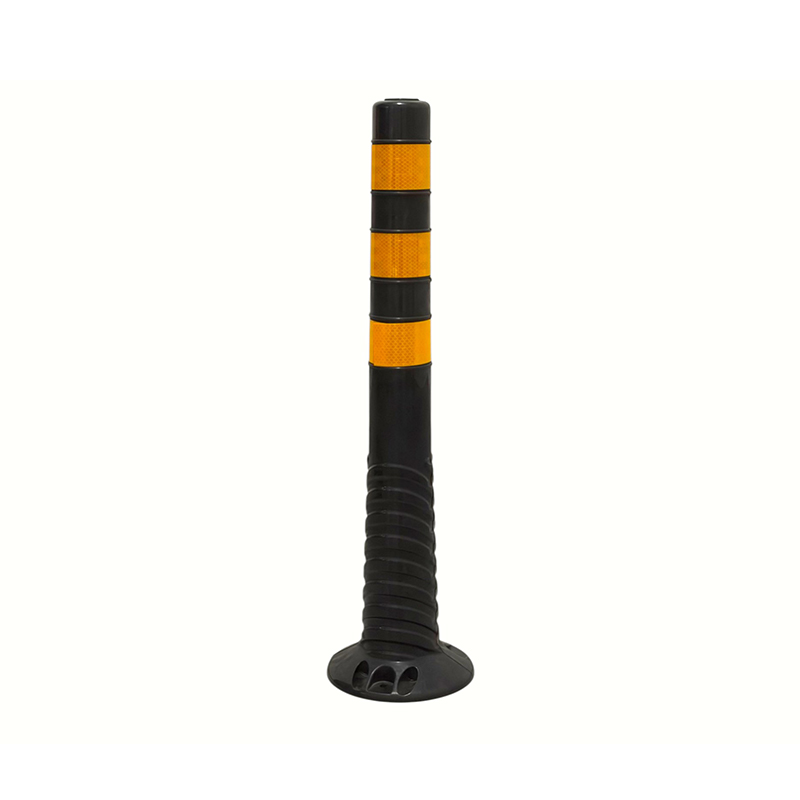
- Advanced Polymer Construction: Made from impact-resistant TPU, PU, and EVA compounds that withstand extreme temperatures (-40°C to 80°C).
- Micro-Prismatic Reflectivity: Integrated with high-grade reflective sheeting that meets global road safety standards, ensuring visibility up to 300 meters.
- Self-Recovery Engineering: Designed to bend up to 90 degrees upon impact and rebound instantly, minimizing downtime and replacement costs.
- Customizable Color and Logo: Available in custom colors and capable of bearing custom logos for municipal branding or lane identification.
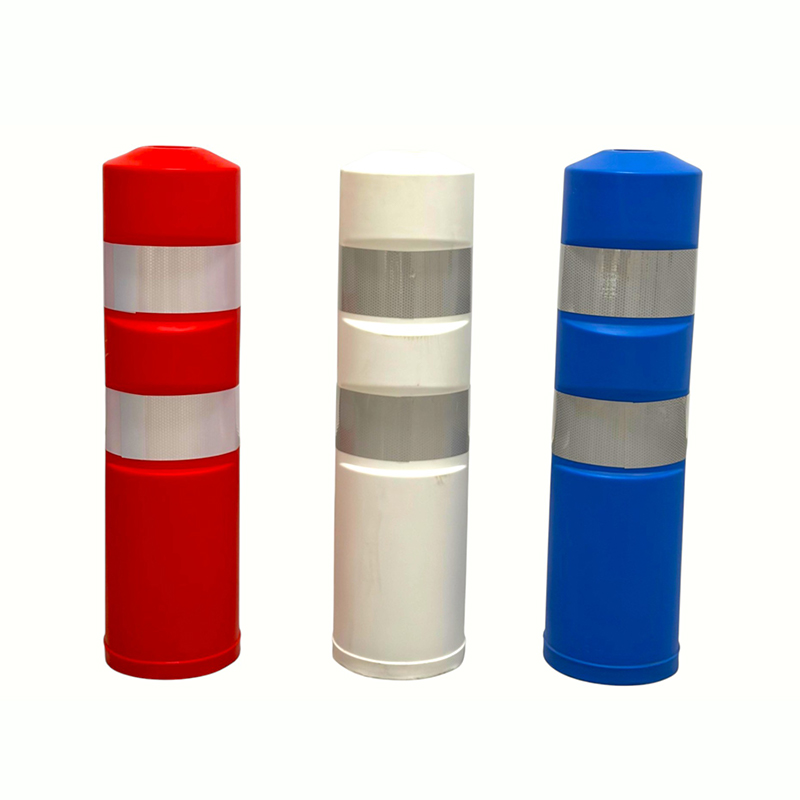
Within this category, a prominent solution is the Custom HDPE Reflective Warning Bollard, which combines the durability of high-density polyethylene with advanced reflective properties. These are the workhorses of highway construction zones and urban bike lanes. For industrial warehouses, the Steel Anti-Collision Bollard remains a critical option, offering a rigid alternative where permanent asset protection (e.g., gas pipelines, electrical cabinets) is paramount. As a leading custom reflective traffic bollard provider, Hangzhou Lutai Import and Export Trading Co., Ltd. offers these with a 5-year UV-resistance guarantee, a feature rarely matched by generic imports.
2.3 Typical Scenarios
Typical applications include highway off-ramps, airport tarmacs, toll plazas, and construction site perimeters. In these high-velocity environments, a traffic bollard functions as a warning and energy-absorbing device. For instance, at airports, they guide aircraft tugs and ground support equipment, while in toll booths, they protect staff from out-of-control vehicles. The outdoor waterproof bollard variants are particularly suited for coastal or high-humidity regions, featuring galvanized steel cores and sealed electronics for automatic or manual retraction systems.
2.4 Differentiation Advantage
The primary advantage of a dedicated traffic bollard over a parking model is its energy absorption capacity. While a parking bollard might withstand a 5 mph nudge, a crash-rated traffic bollard can absorb impacts at 30 mph or more. This is achieved through engineered deformation zones. Furthermore, China traffic bollard manufacturers like our partner factories have invested heavily in finite element analysis (FEA) to optimize wall thickness and internal ribbing, ensuring that the bollard sacrifices itself to save the vehicle occupants and the fixed structure.
2.5 Comparative Specification Table
| Parameter |
Traffic Bollard (Flexible) |
Parking Bollard (Rigid/Fixed) |
| Impact Recovery |
Up to 90° deflection, self-restoring |
Minimal deflection; permanent deformation expected |
| Installation Depth |
150-300mm surface mount or shallow sleeve |
400-600mm deep concrete footing |
| Typical Material |
TPU, EVA, HDPE with reflective sleeves |
Mild steel, stainless steel, or cast iron |
| Visibility |
Micro-prismatic sheeting (night/day) |
Reflective tape or painted bands (passive) |
| Cost per unit |
$$ (lower – mass production) |
$$$ (higher – heavy fabrication) |
3. The Parking Bollard: Control and Security
3.1 Definition and Operational Focus
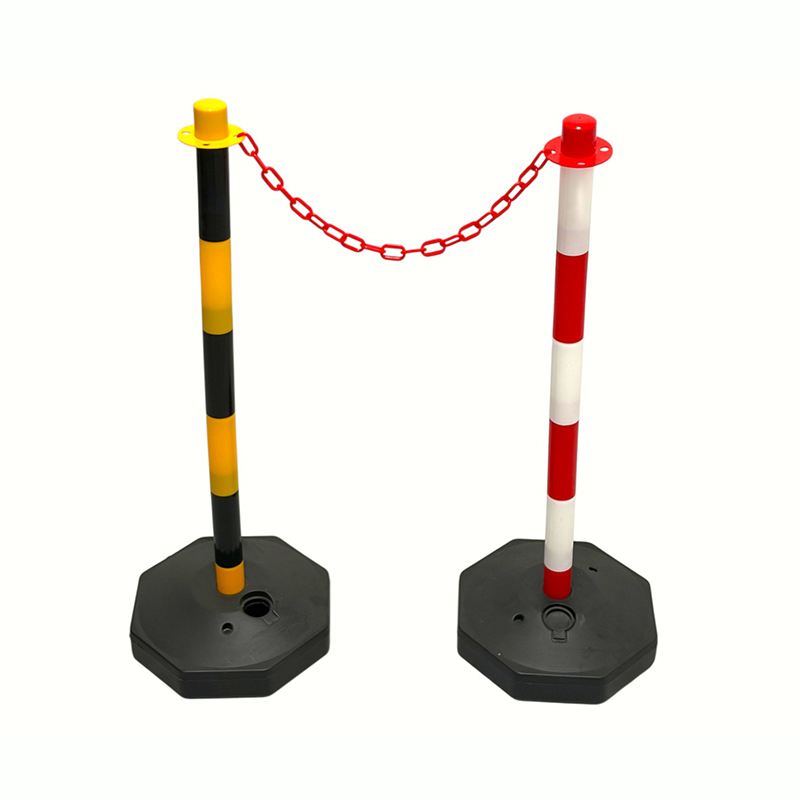
A parking bollard is a static or semi-static post designed for access denial. It operates at low speeds (parking maneuvers) and focuses on preventing unauthorized parking, protecting building entrances, and securing pedestrian zones from vehicle intrusion. Unlike their traffic-oriented cousins, parking bollards prioritize shear strength and lock integrity over dynamic flexibility. They are available in manual (pull-out or fold-down), automatic (hydraulic or electro-mechanical), and fixed (concrete-filled steel pipe) configurations.
3.2 Core Features and Material Focus
- Heavy-Gauge Steel Construction: Walls typically range from 3mm to 8mm thickness, often hot-dip galvanized for corrosion resistance.
- Integrated Locking Mechanisms: Key-operated, solenoid, or proximity-card controlled locking systems for access management.
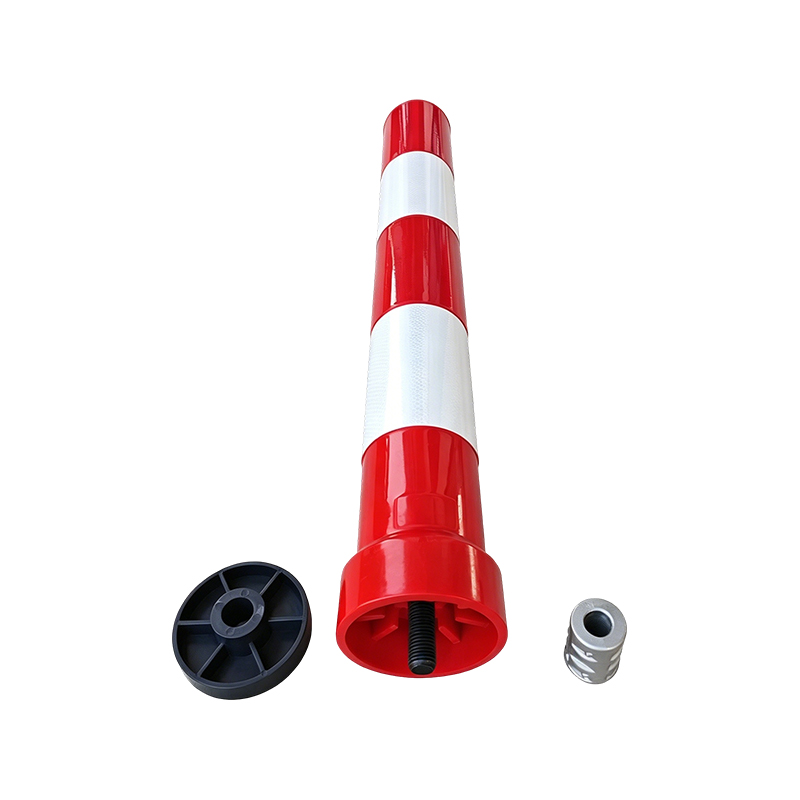
- Ground-Sleeve Installation: Most removable parking bollards sit in a permanently embedded sleeve, allowing for seasonal removal or emergency access.
- Aesthetic Customization: Available with stainless steel finishes, powder-coated colors, and even decorative caps to match architectural themes.
While the traffic bollard might be painted bright yellow for high visibility, a parking bollard in a corporate campus is often sleek black or brushed steel. For facilities requiring both aesthetics and security, Hangzhou Lutai Import and Export Trading Co., Ltd. offers custom powder-coating that matches RAL color standards, ensuring that the bollard complements rather than detracts from the landscape. This is a key distinction: one is a warning, the other is a statement of ownership.
3.3 Application Environments
Parking bollards are ubiquitous in retail parking lots, private driveways, university campuses, and hospital emergency vehicle bays. A notable application is in car rental return areas, where custom logo traffic bollard solutions are used to display brand colors while managing queue lines. For high-security sites like data centers or government buildings, automatic rising bollards are deployed—these are integrated with ground loop detectors and access control systems, creating a formidable anti-ramp barrier that still allows authorized vehicles to pass.
3.4 Differentiated Advantages
The key advantage of a parking bollard is absolute control. It does not rely on driver compliance; it physically prevents entry. Furthermore, maintenance cycles are longer because they do not experience cyclic bending fatigue. When a parking bollard is damaged, it is usually due to a direct hit—and most are designed to be easily replaced without excavating the footing, thanks to the sleeve system. This repairability is a major cost-saver for facility managers. Hangzhou Lutai Import and Export Trading Co., Ltd. supplies these with a 10-year structural warranty, reflecting the confidence in their welding and galvanization processes.
4. Comparative Synthesis: When to Use Which?
To summarize, the decision between a traffic bollard and a parking bollard hinges on three questions: speed, frequency of impact, and access control requirement. If the environment involves moving traffic at speeds above 15 km/h, or if you need to delineate lanes and absorb repeated minor collisions (e.g., a truck reversing into a loading bay), the traffic bollard is the correct choice. If the goal is to secure a static space and manage occasional unauthorized parking attempts, the parking bollard is superior.
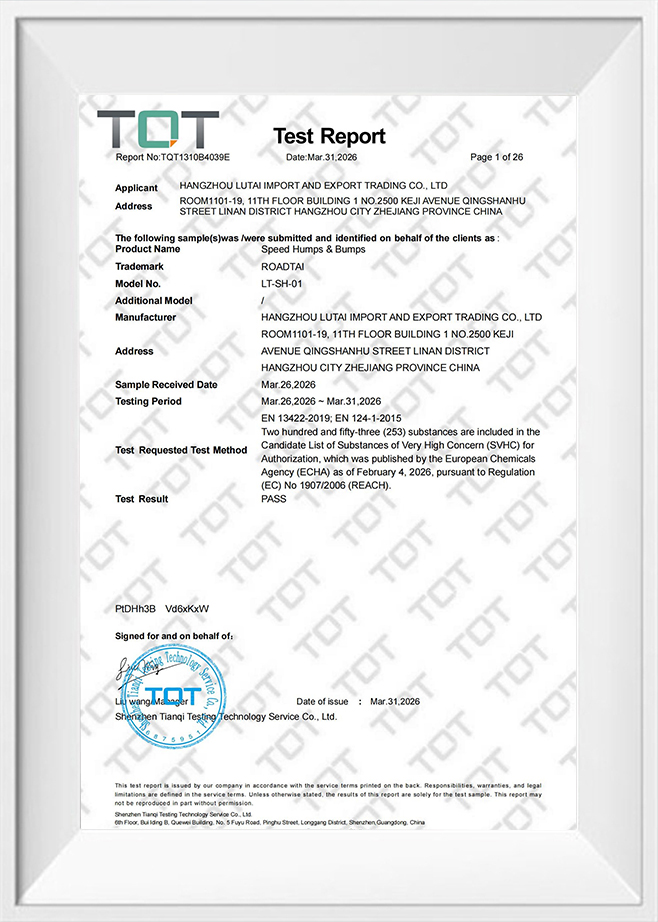
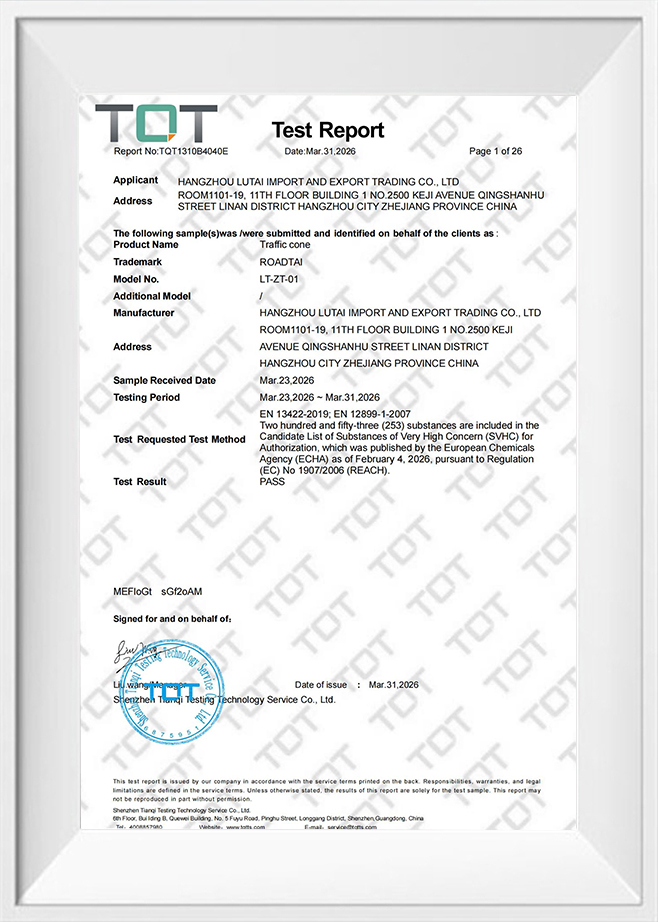
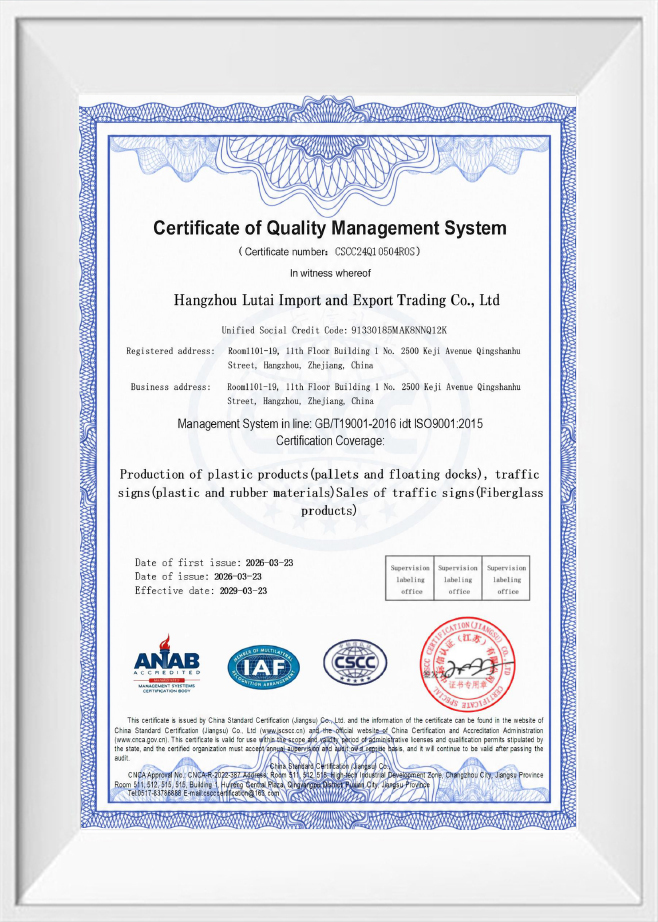
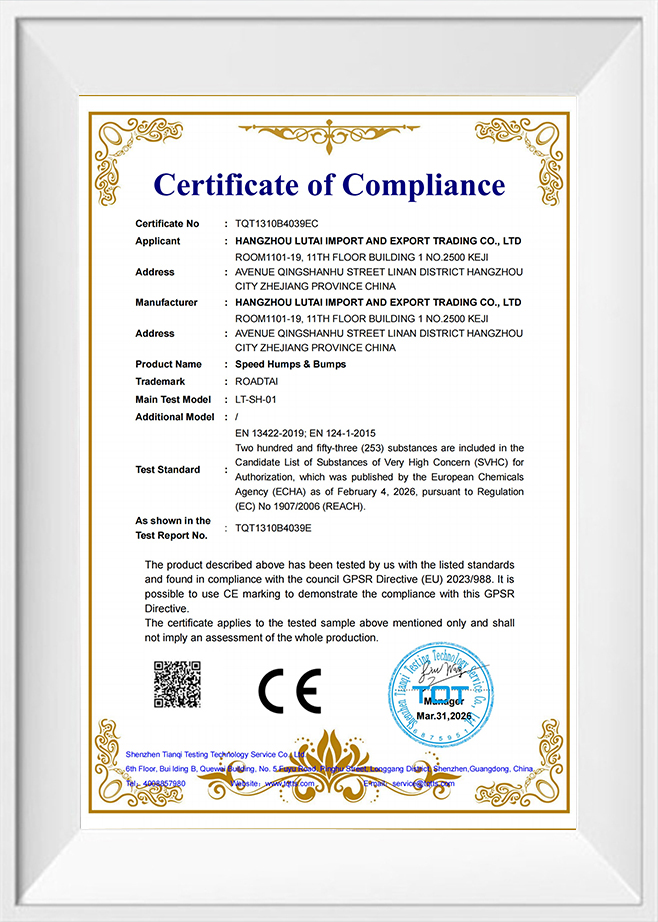
Both product families are supported by the manufacturing prowess of Hangzhou Lutai Import and Export Trading Co., Ltd., whose factories in Taizhou and Henan operate under ISO 9001 and CE standards. They provide both off-the-shelf and fully customized solutions—from a simple custom HDPE reflective warning bollard to a heavy-duty automatic steel parking bollard. Their ability to offer custom logo traffic bollard options across both categories makes them a one-stop shop for global infrastructure projects.
5. The Manufacturing Edge: Quality and Customization
Behind every reliable bollard is a robust manufacturing process. Hangzhou Lutai Import and Export Trading Co., Ltd. operates as a vertically integrated supplier. For traffic solutions, their R&D team focuses on optimizing the polymer blend for UV stability and impact memory. For parking solutions, they prioritize anti-corrosion treatments and precision machining of locking mechanisms. As a premier safety bollard factory, they employ robotic welding for consistency and use X-ray inspection for critical welds—a step rarely seen in generic imports.
Their global footprint, spanning North America, Europe, and Asia-Pacific, is built on the principle of "Competing through Quality, Growing through Mutual Benefit." This is not merely a slogan; it is evidenced by their CNAS-certified testing labs and multiple international patents on quick-release mechanisms and energy-absorbing cores. Whether you require a high-visibility custom reflective traffic bollard for a municipal bike path or a tamper-proof parking bollard for a military base, their engineering team can develop products from concept to mass production within tight deadlines.
6. Frequently Asked Questions
Q1: Can I use a traffic bollard in a parking lot as a parking bollard?
Technically yes, but it is not recommended. A traffic bollard is designed for lateral impact absorption and may not provide the rigid resistance needed to prevent deliberate vehicle encroachment. Parking bollards are anchored deeper and have thicker walls to withstand static pushing forces. Using a flexible traffic bollard for parking control may result in frequent damage and security breaches.
Q2: Does Hangzhou Lutai offer custom color and logo printing on both types?
Absolutely. As a leading custom logo traffic bollard supplier, Hangzhou Lutai Import and Export Trading Co., Ltd. provides powder-coating and screen-printing services for both traffic and parking models. For reflective traffic bollards, they use micro-prismatic sheeting that can be cut into custom shapes and logos, ensuring brand visibility day and night.
Q3: What certifications should I look for when choosing between a Chinese traffic bollard and a European one?
For traffic applications, look for CE EN 12767 (passive safety) certification. For parking bollards, EN 124 (manhole cover standards for load-bearing) and ISO 9001 for manufacturing quality. Hangzhou Lutai Import and Export Trading Co., Ltd. produces bollards that meet both CE and CNAS standards, ensuring they are accepted in global tenders without additional testing.
Q4: How do I maintain an outdoor waterproof bollard in coastal regions?
For outdoor waterproof bollard systems, especially automatic ones, we recommend quarterly inspection of seals and drainage holes. Hangzhou Lutai offers models with IP68-rated electrical enclosures and sacrificial anodes for galvanized steel options. For flexible traffic bollards, simply wash with mild detergent to remove salt residue—the TPU material is inherently corrosion-proof.
In conclusion, the difference between a traffic bollard and a parking bollard is fundamental: one manages kinetic energy and flow, the other manages access and property rights. By understanding these distinctions, facility managers, urban planners, and safety engineers can make informed decisions that optimize safety, cost, and operational efficiency. With a reliable partner like Hangzhou Lutai Import and Export Trading Co., Ltd.—a company that bridges the gap between a responsive custom HDPE reflective warning bollard and a robust steel parking post—the right solution is always within reach. Contact their team today to explore their comprehensive product line and leverage their factory-direct pricing for your next infrastructure project.



 Español