What Do Different Traffic Cone Colors Mean? A Comprehensive Guide to Safety Color Codes
From highway construction zones to parking lot rerouting, the humble traffic cone is one of the most recognized safety devices worldwide. Yet few people realize that its color is not a random aesthetic choice—it carries specific, standardized meanings that communicate hazards, instructions, and area functions. This guide deciphers the official and practical color codes for traffic cone systems, while also explaining how high-quality manufacturing, such as that from leading traffic cone suppliers, ensures color stability and visibility in demanding environments. We will explore each primary color, its technical requirements, and how traffic cone manufacturers engineer these products to meet global safety standards.
1. Orange – The Universal Standard for Road Work & Temporary Hazards
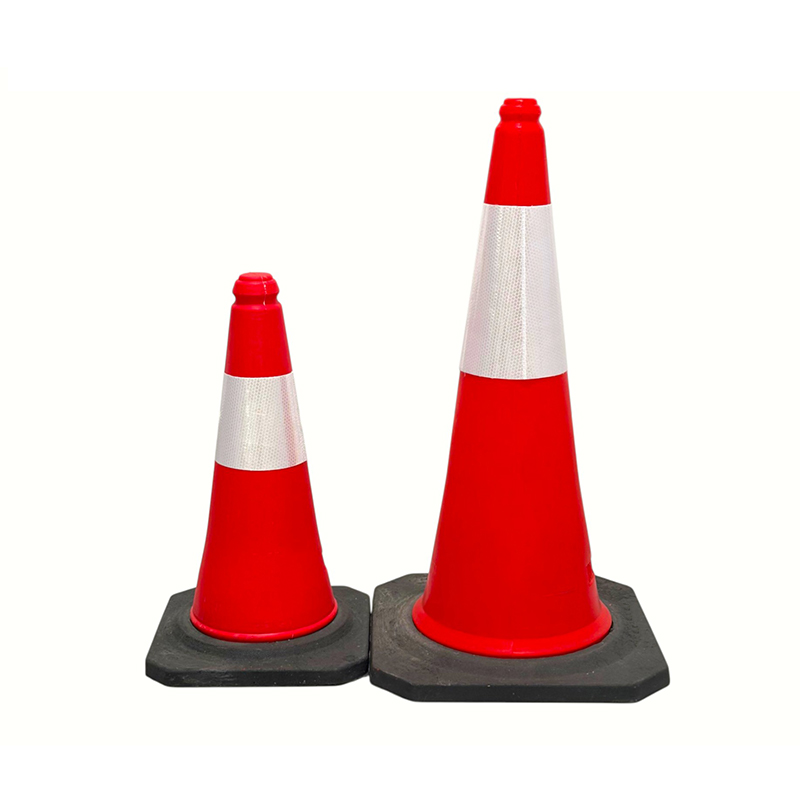
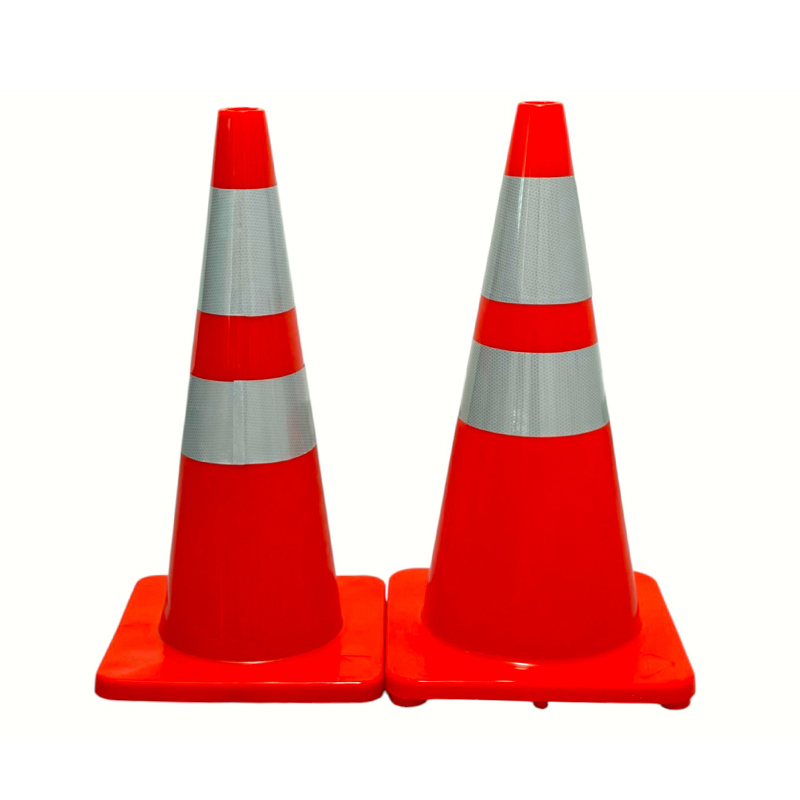
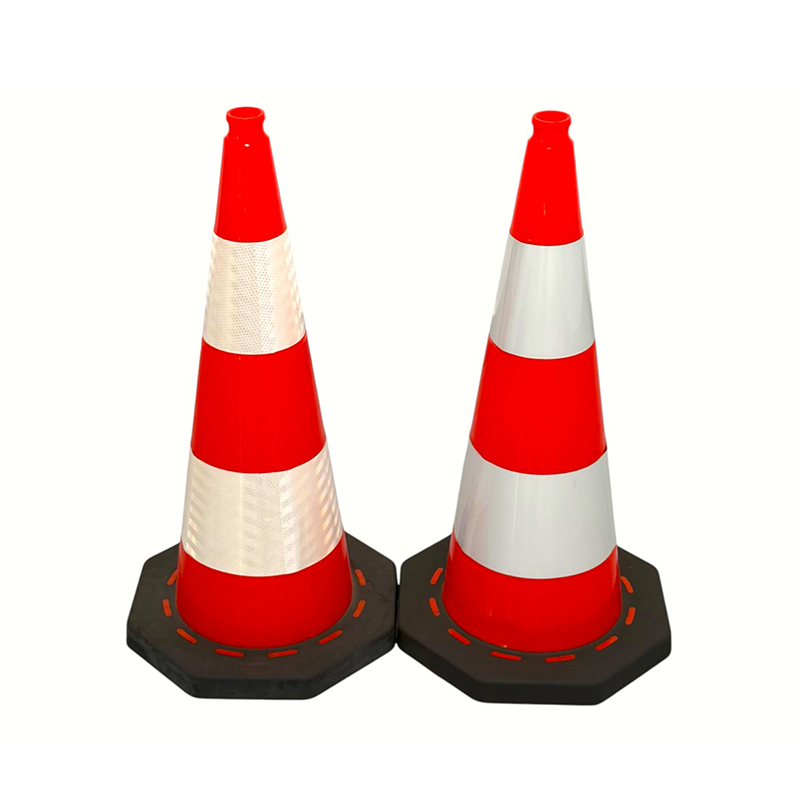
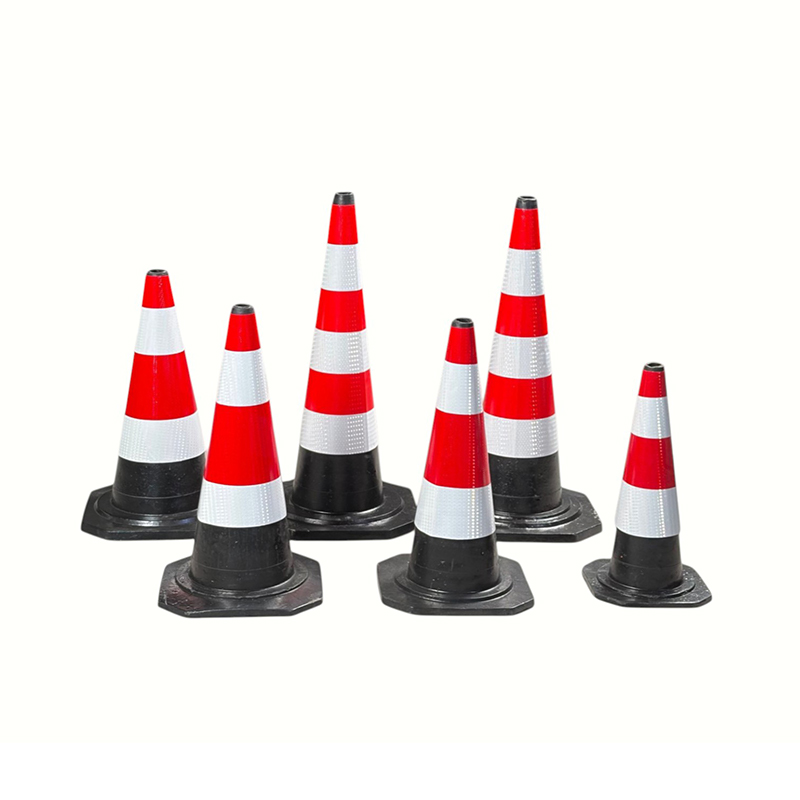
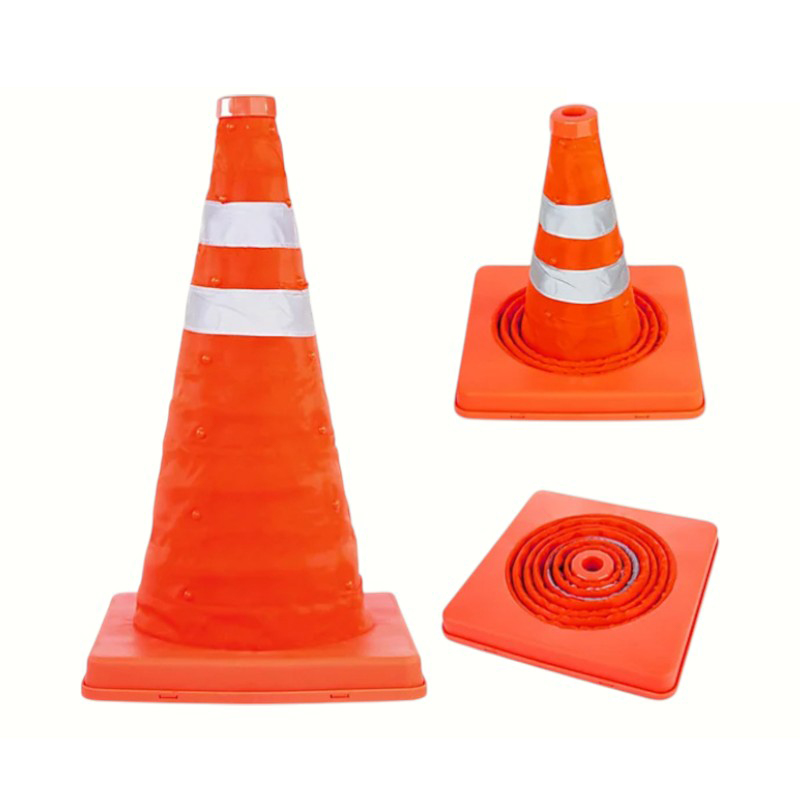
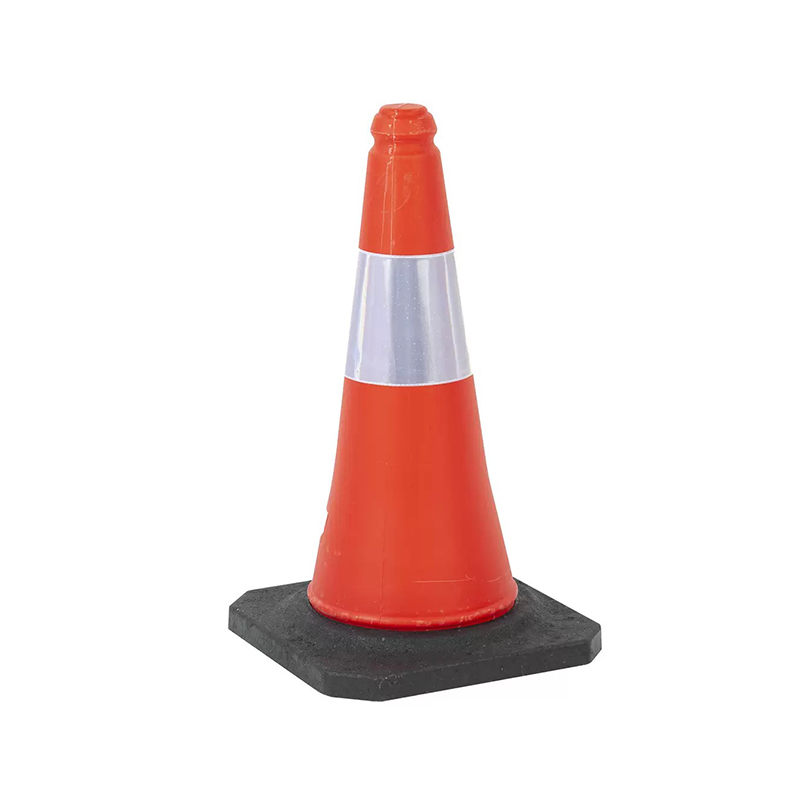
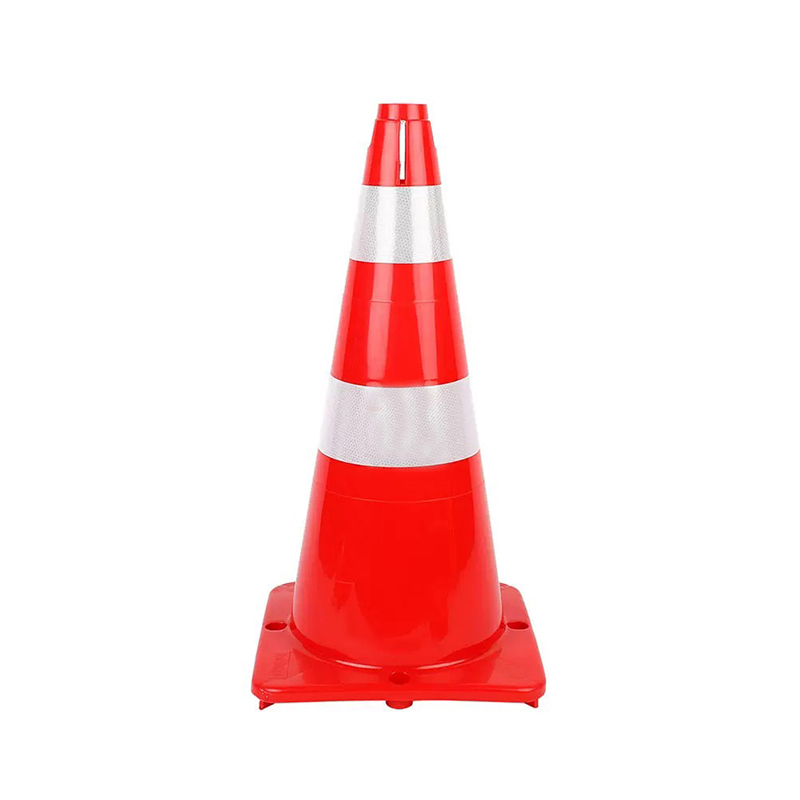
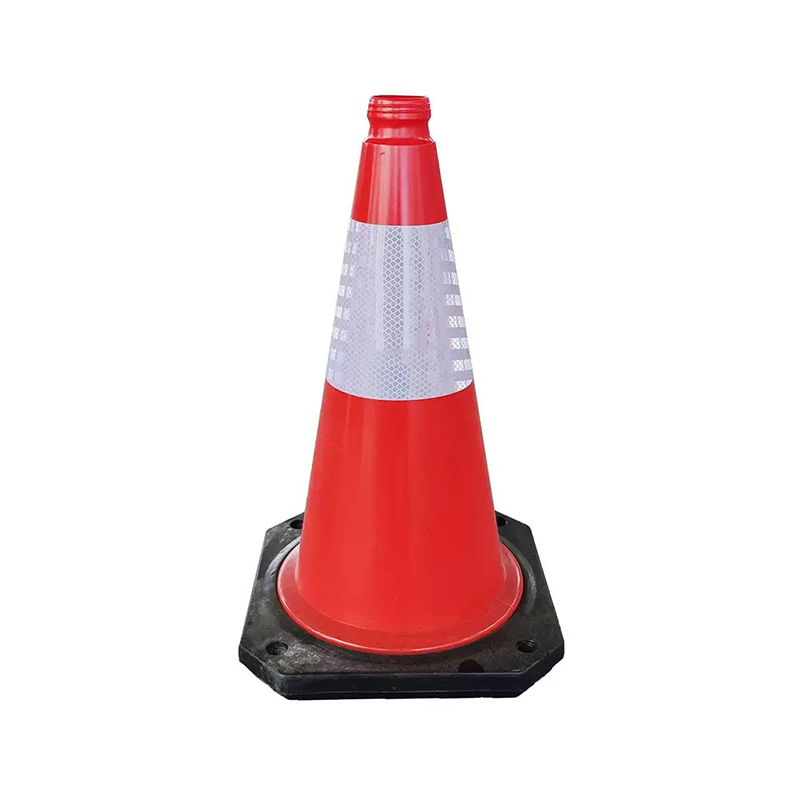
Orange is the most universally recognized color for traffic cone applications. According to MUTCD (Manual on Uniform Traffic Control Devices), fluorescent orange signifies temporary traffic control zones, construction areas, and maintenance operations. This high-visibility hue offers maximum contrast against both natural and urban backgrounds, especially in low-light dawn/dusk conditions. High-quality orange PVC road traffic cone products from professional traffic cone factory lines incorporate UV-stabilized pigments to resist fading, ensuring the color remains vivid for months of outdoor exposure. For highway safety, orange cones are often equipped with reflective collars that amplify visibility at night—a key feature emphasized by highway safety traffic cone specifications.
Typical applications include lane closures, shoulder work, merging indicators, and pedestrian detours. The orange traffic cone also serves as the baseline for all other colors; its shape and reflective properties are standardized by ISO and CE certifications. Leading China traffic cone manufacturers often produce orange cones in multiple sizes (e.g., 28”, 36”, and 42”) to suit different speeds and zones, with heavier bases for highway use and lighter versions for parking lots. Our premium orange traffic cones are engineered with a tip-resistant base and flexible PVC body that rebounds from impact—ensuring longevity even in high-traffic construction corridors.
2. Yellow – Caution, Warning, and Proximity Awareness
Yellow traffic cone variants are primarily used to indicate caution, potential falling hazards, overhead risks, or areas requiring heightened awareness—but not immediate life-threatening danger. Unlike orange, which signals active construction, yellow often marks peripheral hazards such as slippery floors, low clearance, or temporary obstructions in warehouses, airports, and indoor facilities. Many custom reflective traffic cone orders from facility managers specify yellow with dual reflective bands to ensure forklift and vehicle operators notice the markers in busy logistics centers.
From a technical standpoint, yellow cones frequently use flexible PVC traffic cone formulations that remain pliable in cold storage environments, reducing cracking. Compared to orange, yellow offers better visibility in snowy or overcast conditions, making it a preferred choice in northern climates. Traffic cone manufacturers like Hangzhou Lutai offer custom yellow cones with printed warning texts (e.g., “CAUTION” or “LOW CEILING”)—a service prominently featured in their custom printed traffic cone solutions. This customization helps facilities align with internal safety color codes without sacrificing durability.
Application examples: yellow cones are widely deployed in parking structures to mark pedestrian walkways, around fueling stations to denote ignition-risk zones, and in stadiums for temporary crowd-flow adjustments. Their lower profile (often 18”–24”) reduces trip hazards indoors while still delivering clear visual warnings.
3. Blue, Green, Red & White – Specialized Communication for Site-Specific Needs
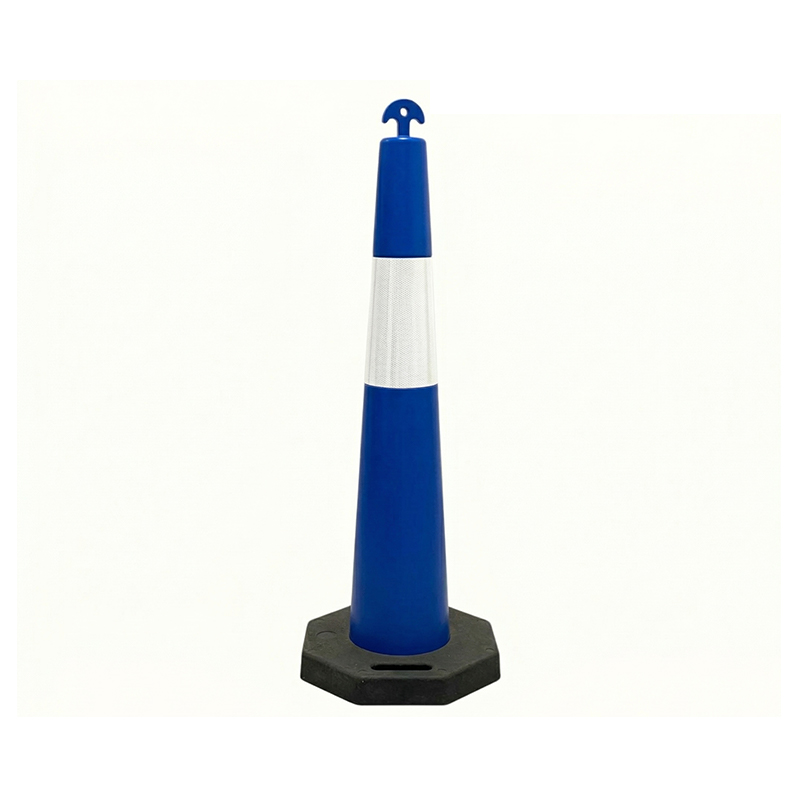
Beyond orange and yellow, specialty colors deliver precise messages on job sites. Blue traffic cones often mark areas requiring special inspection, such as structural integrity checks, or they indicate overhead power lines when used near electrical work. Green traffic cones are less common but increasingly used to designate safety equipment staging areas, first-aid posts, or “safe zone” entry points. Red cones signal immediate danger—fire lines, explosive atmospheres, or emergency no-entry perimeters. Finally, white cones are typically reserved for delineating parking spaces, pedestrian crosswalks, or temporary driving range markers in non-construction settings.
Manufacturing these specialty colors requires precise pigment dosing to meet luminance standards. Reputable traffic cone factory operations maintain separate color batches to avoid cross-contamination, ensuring each batch meets the required chromaticity coordinates. For clients needing mixed color sets, China traffic cone manufacturers offer flexible ordering options with consistent color matching across large volumes. In practice, a single job site might combine orange, blue, and red cones to create a layered communication system—reducing verbal instructions and increasing worker reaction speed.
One growing trend is the use of custom printed traffic cone with corporate colors or site-specific QR codes, allowing maintenance crews to scan and retrieve digital hazard data. This adapts the classic traffic cone into an intelligent wayfinding asset, especially in large industrial complexes.
Color Performance & Material Comparison Table
| Color |
Primary Message |
Typical Reflectivity (cd/lx/m²) |
Common Base Material |
Best Use Environment |
| Orange |
Temporary construction / lane shift |
≥ 400 (Class 2) |
PVC or recycled rubber |
Highway, night work, outdoor |
| Yellow |
Caution / low clearance / slippery |
≥ 300 (Class 1) |
Flexible PVC or PE |
Warehouses, parking garages, cold areas |
| Blue / Green / Red |
Specific hazard (electrical, first-aid, fire) |
≥ 250 (non-standard) |
Rigid PVC or custom compound |
Industrial plants, event sites, utilities |
| White |
Marking / parking / non-hazard delineation |
Often non-reflective |
Economical PE |
Parking lots, driving schools, indoor |
Key Advantages of Color-Coded Traffic Cones – Unordered List
- Immediate visual communication – reduces reliance on language or signage, speeding up on-site decisions.
- Enhanced nighttime safety – when paired with reflective bands, each color retains its meaning under headlights.
- Customizable for corporate identities – custom printed traffic cone options allow branding without losing safety compliance.
- Durable material options – flexible PVC traffic cone designs withstand impact and UV degradation, preserving color integrity.
- Cost-efficient inventory management – stocking different colors simplifies site setup and teardown for large contractors.
Step-by-Step Selection Process for Color-Coded Cones – Ordered List
- Identify the primary hazard type (active work, caution, electrical, fire, pedestrian).
- Check local regulations (MUTCD, OSHA, or local DOT) for mandatory color usage.
- Determine visibility conditions (daylight, night, indoor, snow) to choose reflectivity grade.
- Select cone height and base weight based on speed zone and vehicle types.
- Source from certified traffic cone manufacturers that offer color-stable materials and test reports.
- Implement a color legend poster on-site to train all workers on the specific meanings.
Engineering Quality Behind the Colors – How Manufacturers Deliver Consistency
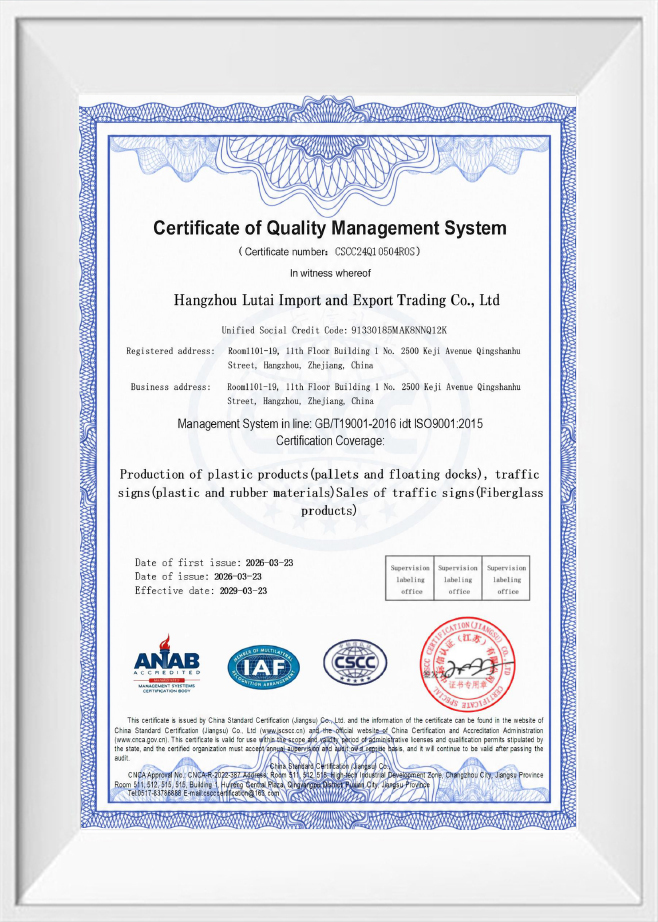
Achieving accurate and lasting color on a traffic cone is a sophisticated process. Top-tier traffic cone factory facilities use computerized color-matching systems and spectrophotometers to verify every batch. For example, Hangzhou Lutai Import and Export Trading Co., Ltd. operates ISO 9001-certified plants in Taizhou and Henan, where each pigment formulation is tested for heat resistance, impact resilience, and UV stability. Their PVC road traffic cone lines undergo 72-hour accelerated weathering tests to guarantee that orange remains orange and yellow stays yellow—even after continuous sun exposure. This meticulous approach ensures that China traffic cone manufacturers can supply global projects with consistent color palettes across thousands of units.
For specialized orders, such as custom reflective traffic cone with site-specific colors, Hangzhou Lutai provides OEM/ODM development from concept to mass production, including custom pigments and screen-printed logos. Their engineering team also advises on which material—PVC, PE, or recycled rubber—best supports the required color fastness for each environment. This is particularly valuable for parking lot traffic cone applications, where color must endure both tire abrasion and chemical de-icers. By integrating factory-direct pricing with rigorous quality control, they deliver reliable, stackable solutions for contractors and distributors worldwide.
Furthermore, Hangzhou Lutai’s global footprint—spanning North America, Europe, Asia-Pacific, and the Middle East—has established them as a trusted partner for high-volume color-coded cone projects. Their ability to offer cheap traffic cone factory pricing without compromising on chromatic accuracy makes them a preferred source for both standard orange and specialty color orders.
Frequently Asked Questions
Q1: What is the primary difference between orange and yellow traffic cones?
Orange cones are legally mandated for construction zones and temporary traffic control on public roads, while yellow cones are advisory—used for caution, low clearance, or slippery surfaces in non-highway settings. Orange typically requires higher reflectivity (Class 2 or 3), whereas yellow often meets Class 1.
Q2: Can I order custom colors or printed logos on traffic cones?
Yes. Many traffic cone manufacturers, including Hangzhou Lutai, offer custom printed traffic cone services with your chosen pantone color, reflective sheeting, and silk-screened or pad-printed logos. These are popular for corporate events, airport ground crews, and utility fleets.
Q3: How do I ensure the cone color remains visible after months of outdoor use?
Choose cones manufactured with UV-stabilized pigments and fluorescent additives. Reputable traffic cone factory lines, such as those operated by Hangzhou Lutai, use weathering-resistant compounds that maintain color for 2–3 years under normal exposure. Regular cleaning with mild soap also helps preserve surface reflectivity.
Q4: Are there any international standards for traffic cone colors beyond orange?
While orange is the only globally standardized color for road work (per MUTCD and Vienna Convention), other colors follow regional or industry-specific guidelines. For example, blue and red are widely recognized in European utility work, while green is gaining traction in sustainable construction sites. Always check local regulations and consult with experienced China traffic cone manufacturers for compliance advice.
Q5: How does Hangzhou Lutai support large-scale color-coded cone projects?
Hangzhou Lutai Import and Export Trading Co., Ltd. provides end-to-end support—from color matching and material selection to logistics. With two factories and ISO/CE certifications, they can produce consistent color batches for orders ranging from 500 to 50,000 pieces, ensuring fast turnaround and competitive pricing for global distributors.
- Consider storage logistics: Stackable cones reduce warehouse footprint and handling time.
With over a decade of experience, Hangzhou Lutai Import and Export Trading Co., Ltd. has perfected the balance between these structural elements. Their manufacturing facilities in Taizhou and Henan operate under strict quality protocols, ensuring that every custom reflective traffic cone meets the rigorous demands of global safety standards. This commitment to quality is why many china traffic cone manufacturers view Hangzhou Lutai as a benchmark for export-oriented production.
Frequently Asked Questions
Q1: What is the difference between a standard traffic cone and a custom reflective traffic cone?
A standard cone typically lacks reflective sheeting and is limited to basic orange or yellow colors. A custom reflective traffic cone, on the other hand, incorporates high-intensity retroreflective bands (engineer, high-intensity, or diamond grade) that ensure visibility at night. Additionally, customization allows for company logos, safety messages, and specific height/weight adjustments tailored to application needs—whether for a parking lot or a highway.
Q2: How do I choose between PVC, PE, and rubber cones for my project?
Your choice depends on the operating environment. PVC cones are lightweight and flexible, ideal for temporary work zones. PE cones offer better UV resistance and are suitable for long-term outdoor use. Rubber cones are the heaviest and most stable, making them perfect for high-speed highways and permanent installations. Leading traffic cone factory options, such as those from Hangzhou Lutai, can provide samples for each material to test under actual conditions.
Q3: Can I order a small batch of custom printed traffic cones for a specific event?
Yes, many traffic cone manufacturers, including Hangzhou Lutai Import and Export Trading Co., Ltd., offer flexible MOQ (Minimum Order Quantity) options for custom printing. While large orders benefit from factory-direct pricing, smaller batches are also feasible for event management, corporate branding, or pilot projects. The company's OEM/ODM capabilities ensure that even low-volume orders receive the same quality control and precision.
Q4: Are reflective traffic cones required by law on construction sites?
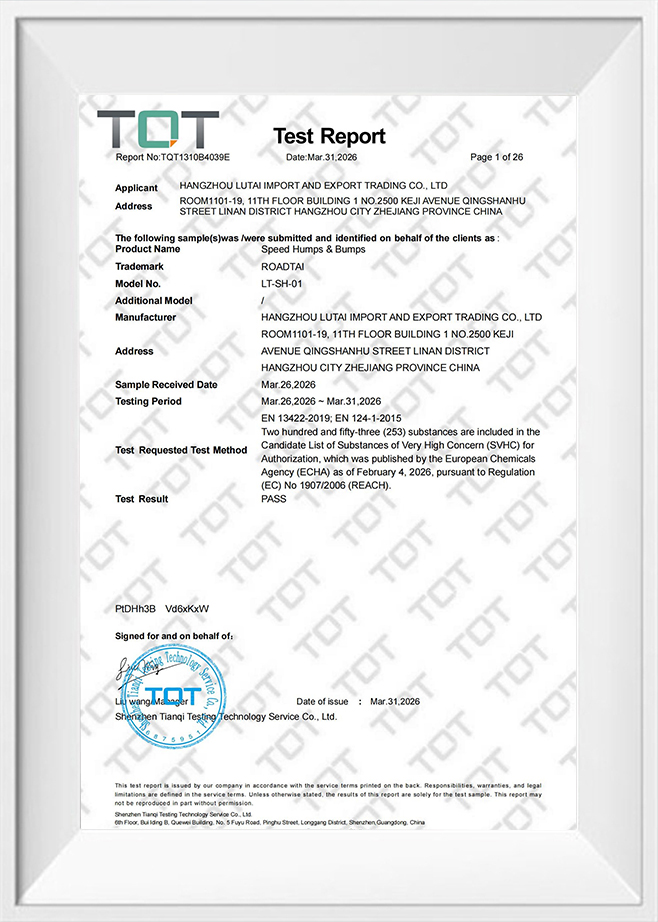
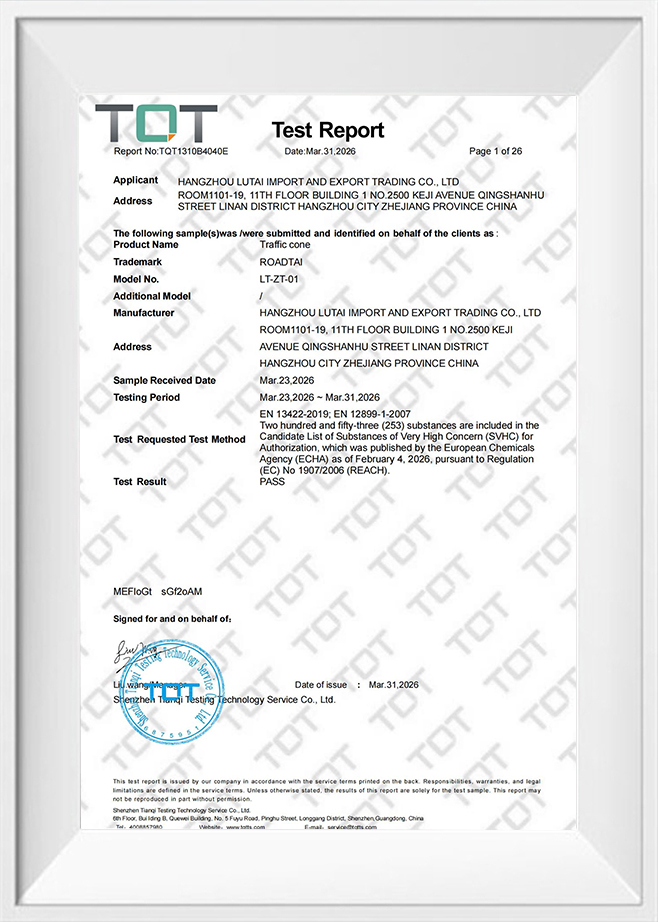
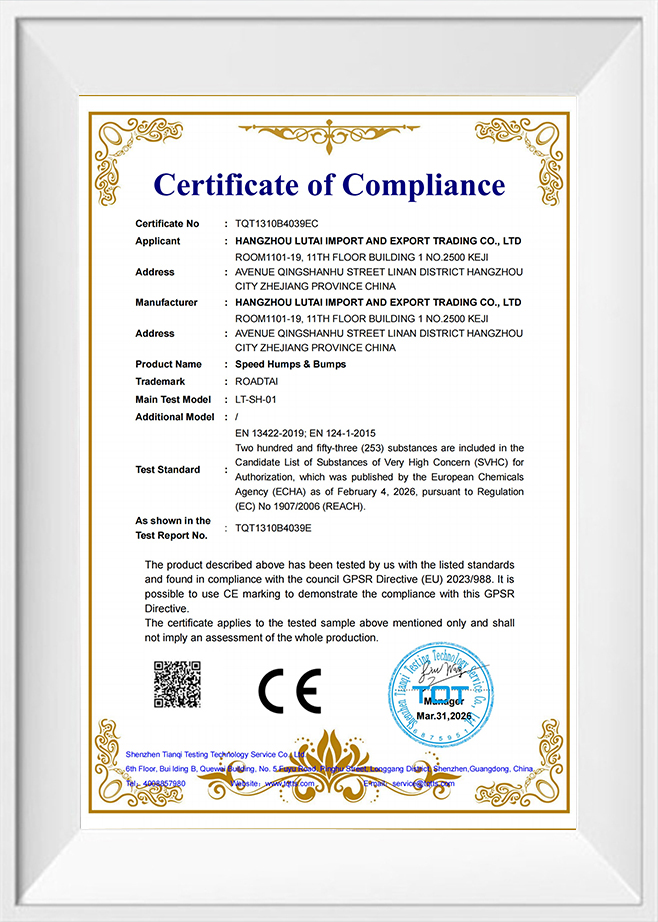
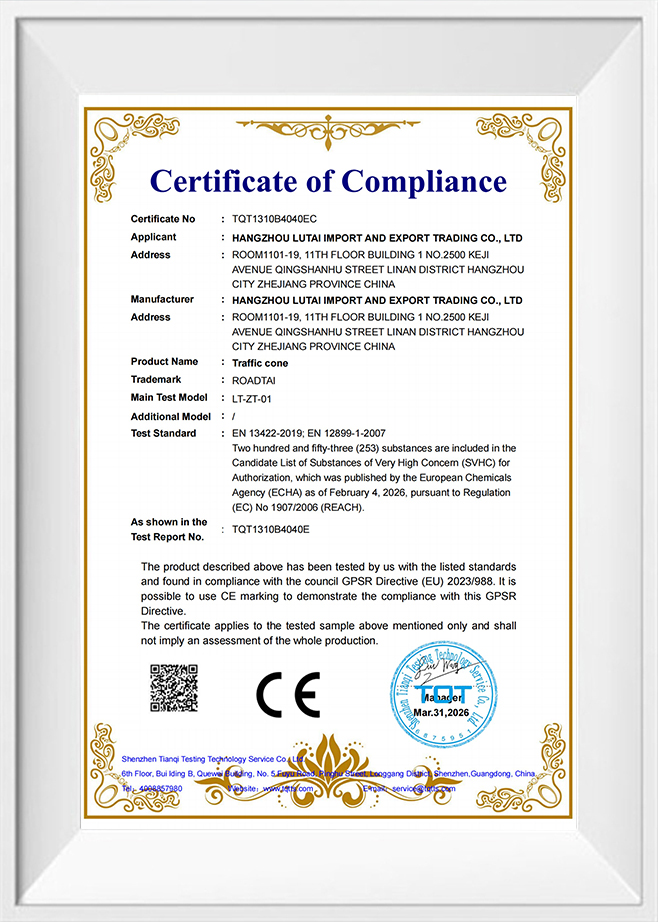
Regulations vary by country and municipality. In the United States, the MUTCD (Manual on Uniform Traffic Control Devices) mandates the use of reflective cones on high-speed roads and nighttime work zones. Similarly, European standards (EN 13422) require specific levels of retroreflection. A reputable custom reflective traffic cone supplier like Hangzhou Lutai provides certification documentation (CE & CNAS) to help you comply with local safety laws.
For professional safety solutions and factory-direct pricing, explore our full range of traffic cones and contact Hangzhou Lutai Import and Export Trading Co., Ltd. today. Our team is ready to assist with custom designs, bulk orders, and technical consultations to ensure your traffic management projects succeed with maximum safety and efficiency.



 Español