What is a rubber cable protector ramp used for?
A rubber cable protector ramp is an essential safety device designed to manage and protect temporary cables, hoses, and pipes in environments where vehicles and pedestrians coexist. Unlike permanent trenching solutions, these portable ramps provide a practical, reusable, and highly durable method to eliminate trip hazards and prevent cable damage caused by crushing or abrasion. At its core, the primary function is to create a smooth, angled transition over vulnerable lines, allowing heavy machinery, forklifts, cars, and foot traffic to pass safely without interrupting operations. This article delves into the various applications, technical classifications, and selection criteria for these indispensable industrial accessories, while also highlighting how manufacturers and suppliers contribute to their evolution.
As a critical component in modern site safety protocols, the rubber cable protector ramp is not a one-size-fits-all product. Its design varies significantly based on load capacity, channel configuration, and environmental conditions. To understand its full utility, one must first recognize the diverse scenarios it addresses—from bustling construction zones to prestigious indoor exhibitions. By integrating high-density rubber compounds with intelligent structural engineering, these ramps offer a reliable barrier between expensive infrastructure and the relentless demands of daily traffic. For a deeper insight into premium options, you can explore the selection available at rubber cable protector ramp solutions, which exemplify the latest advancements in cable management technology.
Heavy-Duty Industrial Cable Protectors
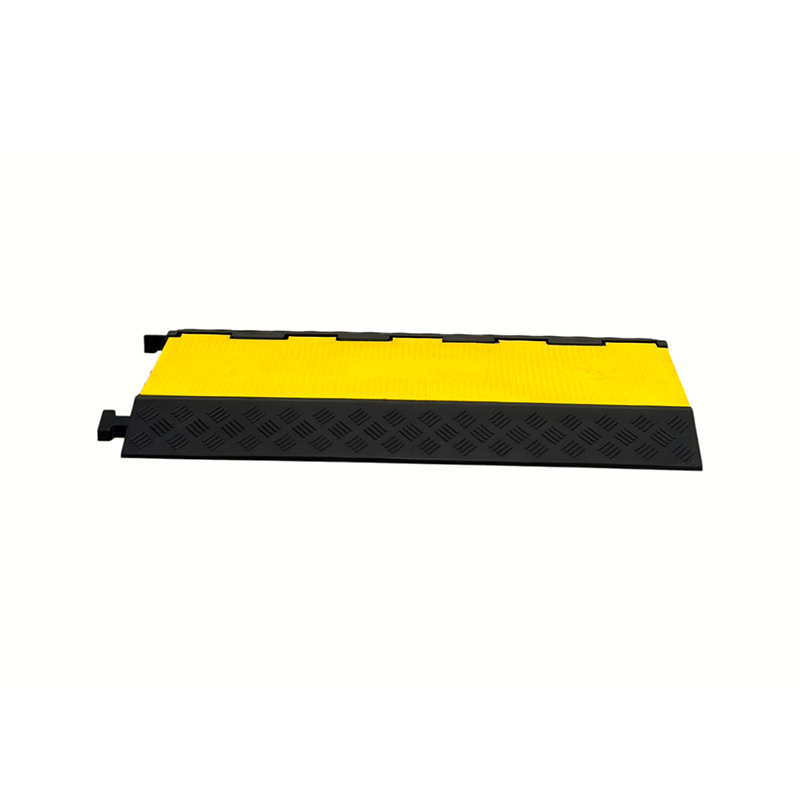
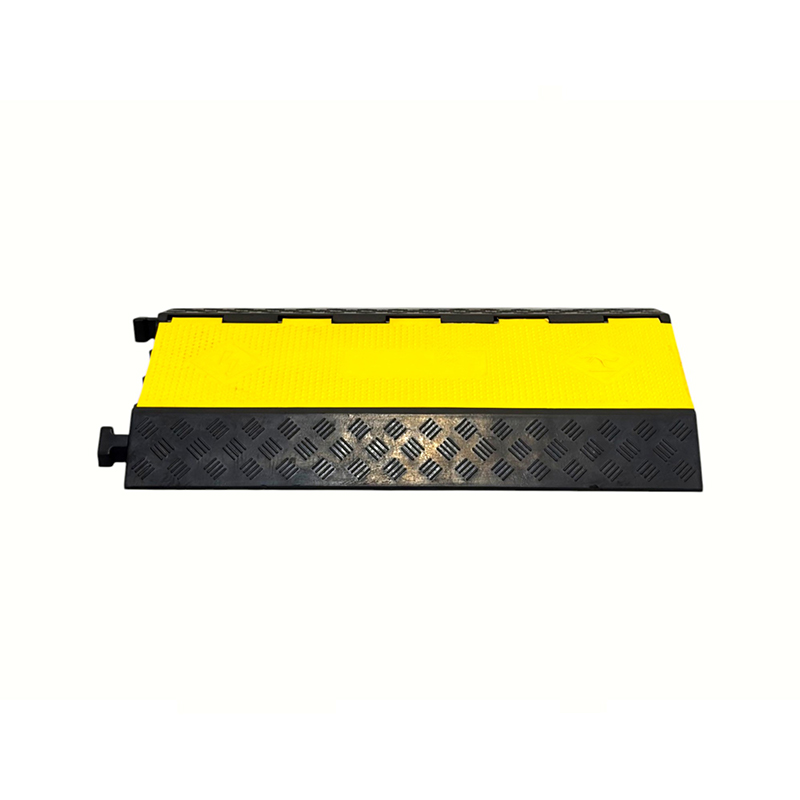
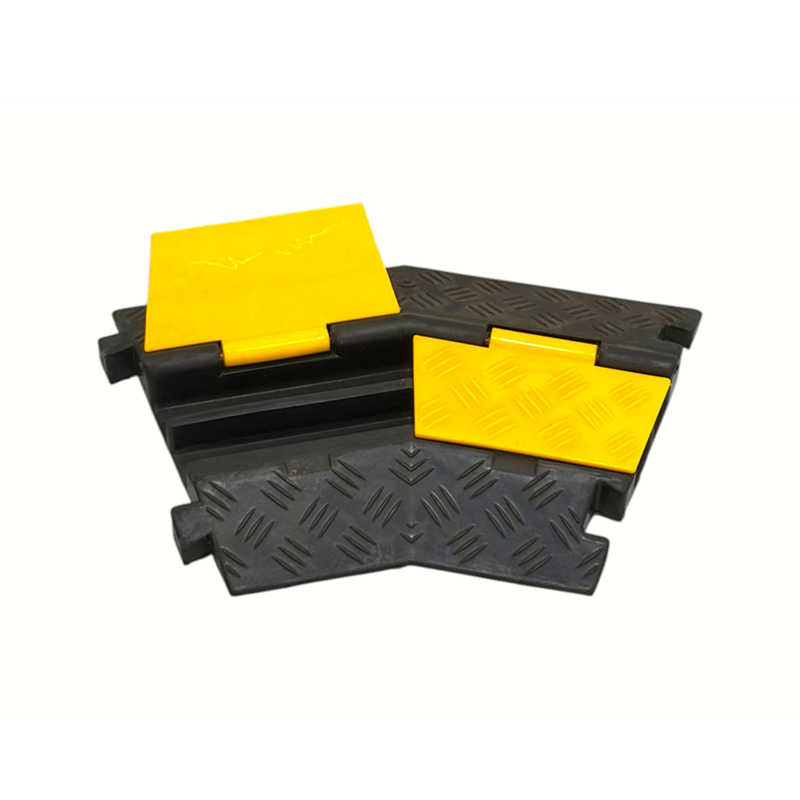
The first major classification is the heavy-duty industrial variant, which forms the backbone of most rubber cable protector ramp applications. These ramps are engineered to withstand extreme axial loads, often exceeding 10 tons per axle, making them indispensable on construction sites, shipping yards, and mining access roads. Their defining feature is the use of vulcanized industrial-grade rubber with a durometer rating of 85 Shore A or higher, ensuring that even under constant compression, the ramp rebounds to its original shape without permanent deformation. The internal channel system is typically reinforced with steel or high-tensile polymer inserts to prevent collapse, while the top surface incorporates a chevron or diamond traction pattern to maintain grip in muddy or oily conditions.
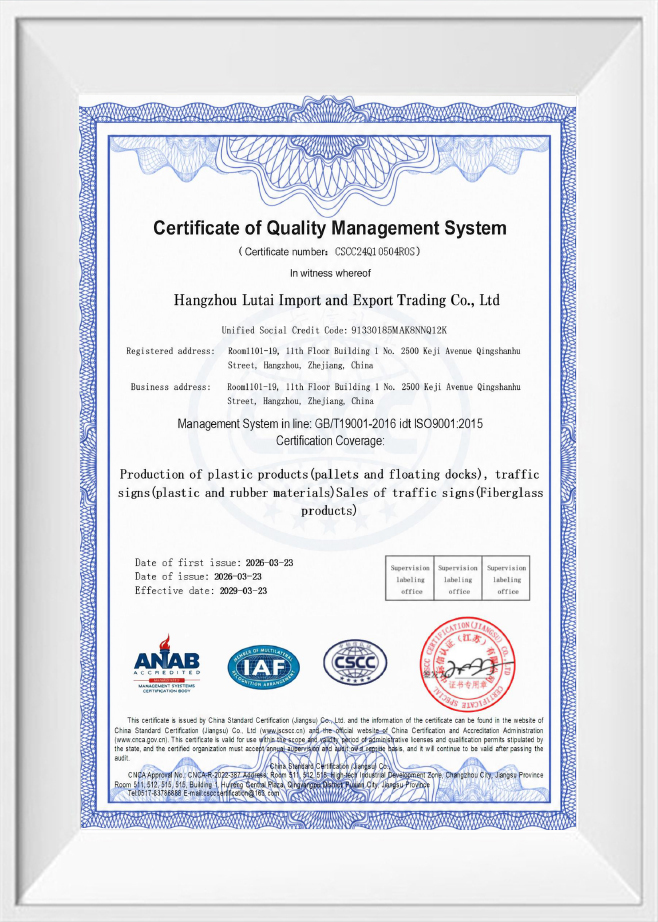
From a functional perspective, these heavy-duty models often include a hinged lid mechanism, allowing rapid cable deployment without the need to dismantle the entire ramp. This is particularly advantageous for projects that require frequent reconfiguration of power or data lines. Additionally, the modular interlocking ends enable end-to-end connections spanning hundreds of meters, creating continuous protected pathways. Leading suppliers emphasize that such products are rigorously tested to comply with international load standards, ensuring that rubber cable protector ramp systems deliver consistent performance in the harshest environments. Hangzhou Lutai Import and Export Trading Co., Ltd., for instance, offers heavy-duty ramps from its manufacturing bases in Taizhou and Henan, benefiting from factory-direct pricing and strict ISO 9001 quality oversight.
| Feature |
Heavy-Duty Industrial |
Medium-Duty Commercial |
Light-Duty Event |
| Max Load per Axle |
> 10 tons |
3 – 5 tons |
≤ 1.5 tons |
| Channel Quantity |
2 – 5 channels |
1 – 3 channels |
1 single channel |
| Material Hardness (Shore A) |
85 – 90 |
75 – 85 |
65 – 75 |
| Typical Height |
50 – 70 mm |
35 – 50 mm |
20 – 30 mm |
| UV & Chemical Resistance |
Excellent |
Good |
Moderate |
The heavy-duty category is characterized by its robust structural integrity, often incorporating steel hinge pins and anti-slip base pads that anchor the ramp to asphalt or concrete. In practice, these ramps are deployed at entry gates of logistic centers, around heavy earthmoving equipment, and along temporary haul roads. One distinct advantage is their resistance to diesel, hydraulic fluids, and extreme temperatures ranging from -30°C to +70°C. When sourcing such equipment, it is vital to collaborate with experienced rubber cable protector manufacturers who can provide certified load test reports. Companies like Hangzhou Lutai Import and Export Trading Co., Ltd. leverage their R&D capabilities to customize channel widths and ramp lengths, ensuring that even the most demanding site-specific challenges are met with precision.
Medium-Duty Commercial & Warehouse Ramps
The second classification addresses medium-duty applications commonly found in warehouses, retail distribution centers, and automotive service bays. These ramps serve as the workhorse for daily operations where forklifts, pallet jacks, and rolling carts are the primary traffic. Unlike their heavier counterparts, medium-duty rubber cable protector ramp solutions prioritize a balance between load capacity and portability. They are typically lighter, easier to handle by a single operator, and feature a lower profile that reduces the incline angle for smoother transitions—crucial for maintaining stability of loaded pallets.
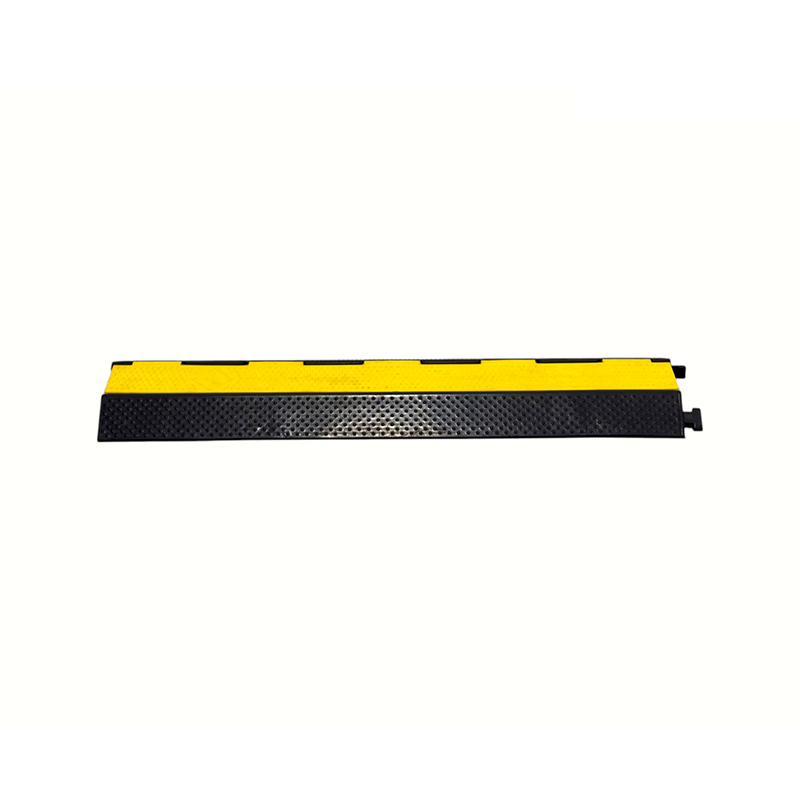
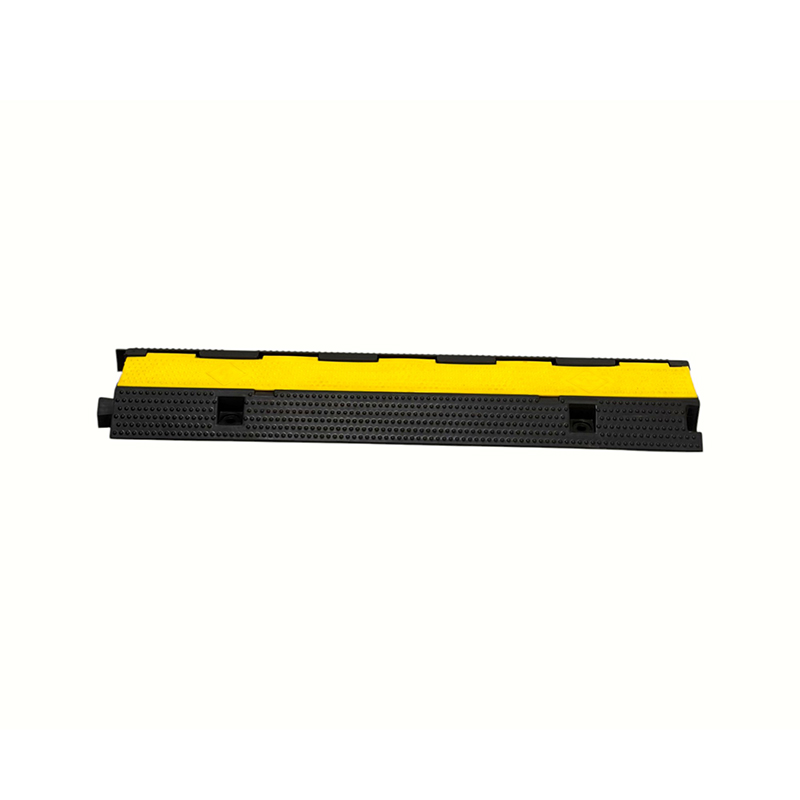
Technologically, these ramps often incorporate a multi-channel internal structure that separates power cables, data lines, and air hoses, preventing electromagnetic interference and physical tangling. The top cover, frequently made from high-visibility yellow PVC, not only alerts pedestrians but also provides a quick-release mechanism for emergency inspections. A key differentiator is the inclusion of end ramps with gentle slope angles (approximately 15°), which minimizes the impact on wheeled equipment. Our product introduction highlights that our rubber cable protector ramps are designed with a specialized multi-channel internal structure to keep different lines organized and prevent tangling—a feature that directly benefits warehouse environments where multiple utilities are routed simultaneously.
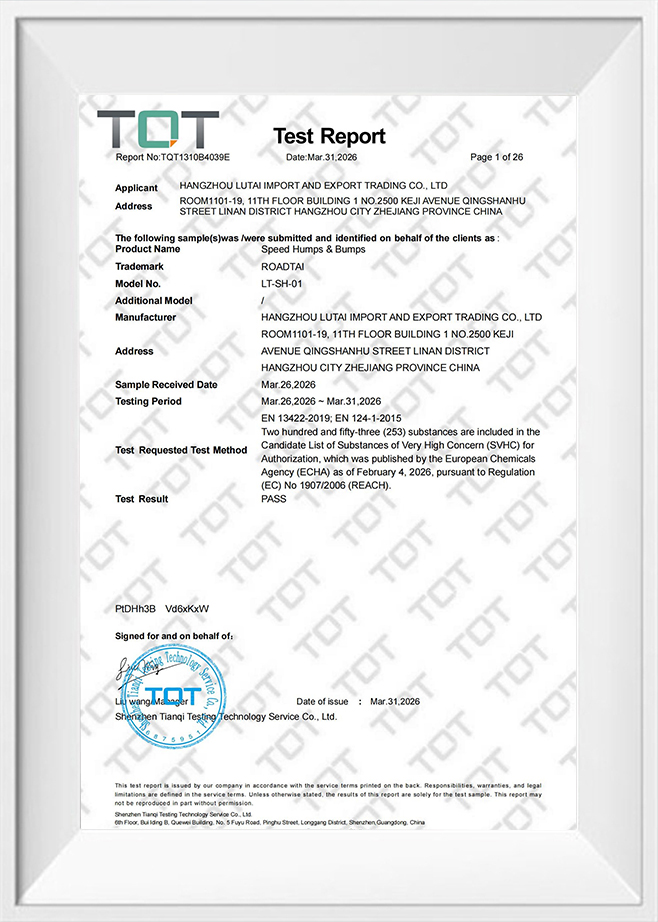
In terms of operational advantages, medium-duty ramps excel in flexibility. They can be rapidly deployed during inventory shifts or reorganized for seasonal layout changes. Many models are stackable for compact storage, and their non-slip traction surface ensures safety even when floors are slightly damp from cleaning processes. For businesses seeking cost-effective yet reliable protection, these ramps represent the optimal investment. A reputable cable ramp factory will typically offer these in standard 1-meter sections, with optional connecting pins for continuous runs. Hangzhou Lutai Import and Export Trading Co., Ltd. provides these products with CE and CNAS certifications, ensuring compliance with European and Chinese safety standards—a testament to their commitment to global quality excellence.
- Key application advantages: Quick deployment in dynamic storage zones.
- Core technical feature: Hinged lid for easy cable access and maintenance.
- Safety highlight: Tapered edges reduce vibration and noise during crossings.
- Customization option: Available in custom lengths and channel configurations through custom cable protector services.
It is worth noting that the medium-duty segment often benefits from custom size cable protector options, as warehouses frequently have non-standard doorway widths or specific aisle constraints. This adaptability is made possible by manufacturers who maintain agile production lines, such as the ones operated by Hangzhou Lutai Import and Export Trading Co., Ltd., which can accommodate small-batch customization without compromising delivery lead times. The company’s strong R&D team can develop products based on physical samples, ensuring that unique market needs are met with technical precision and cost efficiency.
Light-Duty Event & Temporary Installation Ramps
The third category encompasses light-duty ramps tailored for temporary installations at concerts, trade shows, sporting events, and film production sets. Here, the primary concern is not heavy vehicular traffic but rather the protection of extension cords, audio-visual cables, and stage lighting feeds from the constant trampling of crowds. These rubber cable protector ramp systems are characterized by their low height (typically under 30 mm), lightweight construction, and aesthetic appeal—often available in black or grey to blend with flooring.
Despite their modest load ratings, these ramps are engineered with a solid rubber body that offers sufficient resilience for pedestrian loads and occasional golf cart or small utility vehicle crossings. The surface is usually textured with a subtle pattern to prevent slips on polished concrete or wooden stages. One of their most appreciated features is the ease of coiling and transporting; many designs fold or roll up, making them ideal for road crews who move between venues weekly. Furthermore, the high-visibility yellow hinged lid, while not always necessary, is often included as an option to enhance safety under low-light conditions.
From an economic standpoint, light-duty ramps are the most affordable, but they do not compromise on essential safety functions. They are frequently used in conjunction with gaffer tape for additional floor adherence, though the better models incorporate a self-adhesive backing or rubberized bottom to prevent creeping. For international events, sourcing from established China cable protector manufacturers offers a distinct advantage in terms of cost-effectiveness and rapid shipping. Hangzhou Lutai Import and Export Trading Co., Ltd., with its two advanced manufacturing bases, ensures that even high-volume orders for light-duty ramps are fulfilled with consistent quality and competitive pricing, reinforcing their reputation across North America, Europe, and Asia-Pacific.
- Select the appropriate load class based on the heaviest expected traffic (pedestrian, cart, or forklift).
- Measure cable diameter and quantity to determine necessary channel size and number of grooves.
- Evaluate environmental conditions – indoor vs. outdoor, UV exposure, and chemical spill risks.
- Check for interlocking capability if long-distance coverage is required.
- Request certification and test reports from the supplier to ensure compliance with safety standards.
To summarize, the selection among these three categories hinges on the specific operational demands. Heavy-duty ramps prioritize durability and extreme load resistance; medium-duty ramps balance versatility with cost; and light-duty ramps focus on portability and aesthetic integration. Across all types, the underlying goal remains unchanged: to provide a safe, non-slip crossing surface that protects both the cables and the personnel. With the expertise of seasoned rubber cable protector manufacturers, users can now access tailored solutions that align perfectly with their workflow, site constraints, and budgetary requirements.
Frequently Asked Questions
Q1: What is the primary difference between a heavy-duty and a light-duty rubber cable protector ramp?
The primary difference lies in the load-bearing capacity and construction thickness. Heavy-duty ramps are designed to withstand over 10 tons per axle, making them suitable for construction equipment and large forklifts, while light-duty ramps handle pedestrian and light cart traffic up to 1.5 tons. Additionally, heavy-duty models have higher durometer rubber and often include steel reinforcements, whereas light-duty versions are thinner and more flexible for easy transport.
Q2: Can these ramps be customized to fit specific cable sizes and layouts?
Yes, many suppliers, including Hangzhou Lutai Import and Export Trading Co., Ltd., offer custom cable protector services. This allows you to specify the number of channels, channel width, overall length, and even the color of the top lid. Customization is especially valuable for industrial settings where standard sizes do not match existing cable bundles or where unique floor layouts require non-standard ramp dimensions.
Q3: How do I ensure my rubber cable protector ramp stays in place under heavy traffic?
To prevent shifting, look for ramps with a non-slip bottom texture or integrated rubber feet. Some models also feature bolt-down holes for permanent or semi-permanent installation. For temporary setups, using weight bags or double-sided tape on the underside can provide additional stability. Always ensure the ramp's length and slope angle are appropriate for the speed and type of traffic expected.
Q4: Are these ramps suitable for outdoor use in extreme weather conditions?
Yes, high-quality ramps made from industrial-grade vulcanized rubber are inherently UV-resistant and can operate in temperatures ranging from -40°C to +80°C. However, it is crucial to verify with the manufacturer—such as Hangzhou Lutai Import and Export Trading Co., Ltd.—that the specific product has been tested against ozone cracking and hydrocarbon spills. For prolonged outdoor use, selecting a ramp with a higher Shore hardness and UV stabilizers is recommended to extend service life.
In conclusion, the rubber cable protector ramp serves as a versatile, mission-critical tool across a wide spectrum of industries. By understanding the distinct capabilities of heavy-duty, medium-duty, and light-duty variants, professionals can make informed decisions that enhance site safety, protect valuable assets, and improve operational efficiency. With the added benefit of working with experienced rubber cable protector manufacturers and suppliers who offer custom size cable protector solutions, organizations can now achieve a level of protection that was previously unattainable through generic products. Whether for a sprawling industrial complex or a weekend outdoor festival, these ramps embody the principle that safety and productivity are not mutually exclusive—they are, in fact, mutually reinforcing.



 Español