What is the difference between a drop over cable protector and a regular cable ramp?
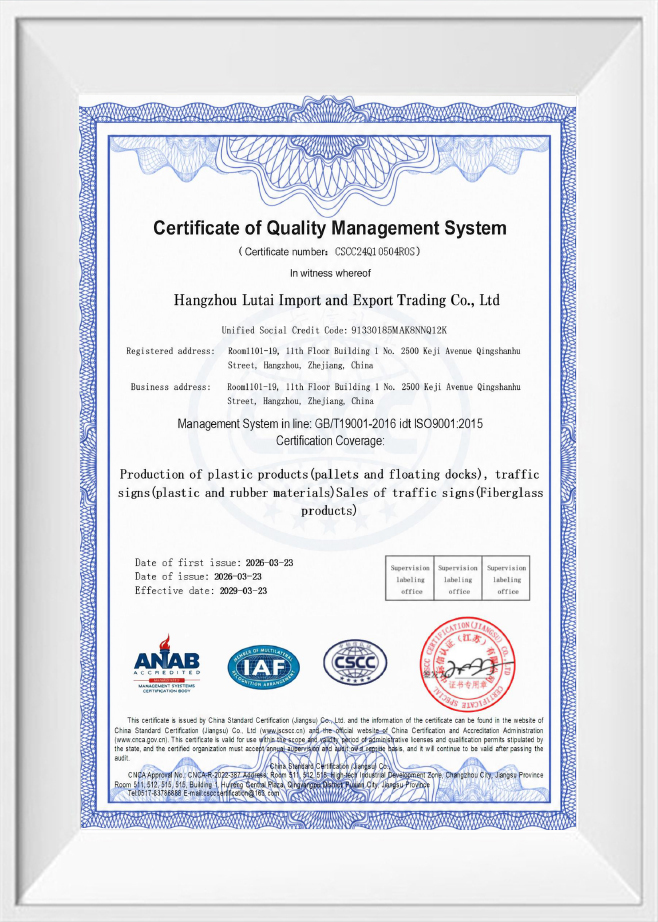
In industrial, construction, and event environments, the safe and efficient management of temporary cables and hoses is a critical operational concern. Two of the most common solutions are the drop over cable protector and the standard regular cable ramp. While both products aim to protect cables from vehicular and foot traffic, they differ significantly in design philosophy, installation method, load capacity, and application scenarios. This article provides a comprehensive, technical comparison between these two product categories, helping procurement managers, safety officers, and facility operators make informed decisions. We will also explore how drop over cable protector solutions, such as those offered by industry leaders, align with specific operational needs, and we will incorporate the expertise of Hangzhou Lutai Import and Export Trading Co., Ltd., a globally recognized supplier in this field.
1. Definition and Core Design Philosophy
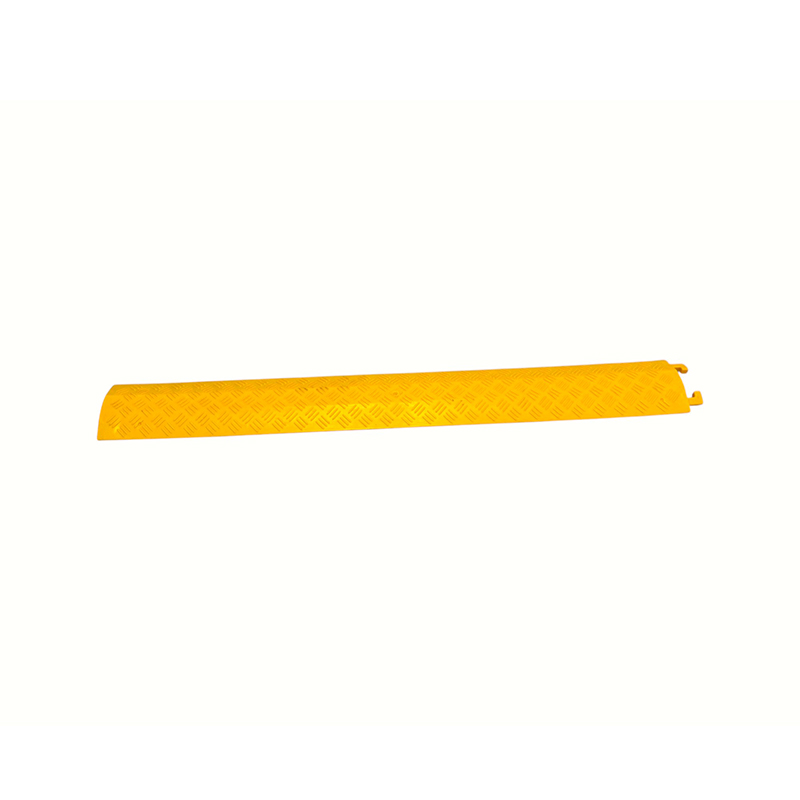
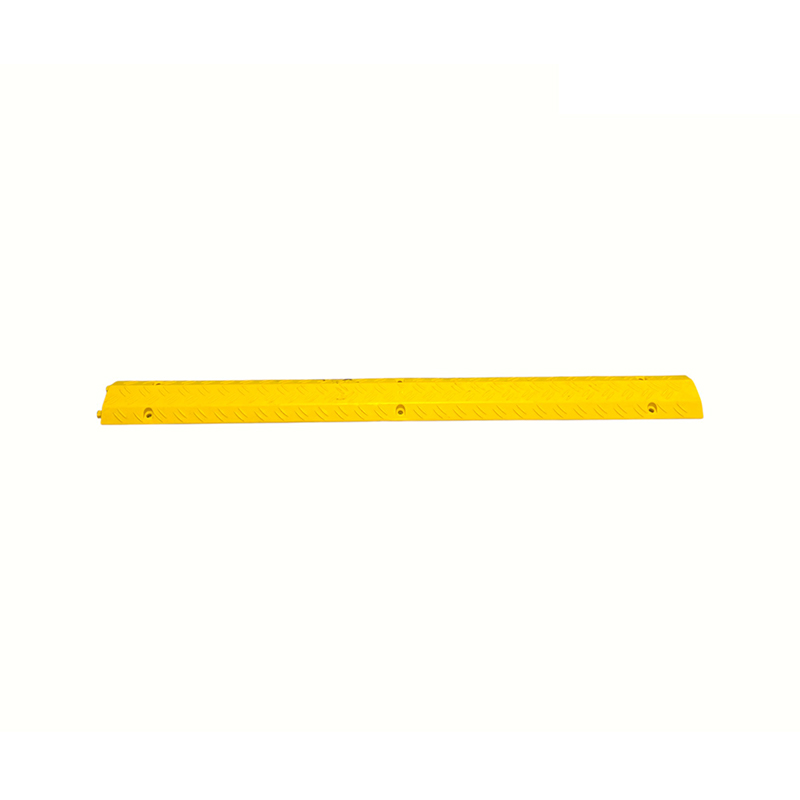
A drop over cable protector is specifically engineered to be placed directly over existing cables, hoses, or pipes without the need to lift or reroute them. Its defining characteristic is a hinged or channeled design that “drops over” the cable bundle, enclosing it securely. In contrast, a regular cable ramp typically features a solid base with pre-formed internal channels or troughs. To install a regular ramp, the cable must be threaded or laid into the channel before the ramp is closed or placed. This fundamental difference in installation—over vs. through—dictates their respective use cases and operational efficiencies.
From a structural standpoint, the drop over cable protector often employs a two-piece or multi-link hinged system, allowing it to open like a clamshell. This design enables rapid deployment and retrieval, a critical factor in time-sensitive projects such as live events, emergency repairs, or temporary construction zones. Regular cable ramps, on the other hand, usually adopt a one-piece or sectional design that requires more careful alignment and cable feeding. For facilities that frequently reconfigure workspaces, the drop over cable protector offers unparalleled flexibility.
2. Key Functional and Technical Features
When evaluating these two product types, it is essential to examine their technical attributes across several dimensions. The table below summarizes the critical differences between a typical drop over cable protector and a standard regular cable ramp.
| Feature / Parameter |
Drop Over Cable Protector |
Regular Cable Ramp |
| Installation Method |
Drops over existing cables; no lifting required |
Cables must be placed into pre-formed channels |
| Deployment Time |
Very fast (seconds to minutes) |
Moderate to slow (cable threading needed) |
| Typical Weight Capacity |
5 – 30 tons (heavy-duty variants) |
3 – 15 tons (standard range) |
| Cable Bundle Access |
Full top opening for easy access and maintenance |
Access via channel ends or removable top sections |
| Surface Contact & Stability |
Wide base with anti-slip ribs |
Flat base; may shift under lateral forces |
| Typical Material |
High-durability polyurethane or solid rubber |
Rubber or heavy-duty PVC |
As the table illustrates, the drop over cable protector excels in scenarios requiring rapid setup and high load-bearing capacity. For instance, at airport ground handling operations or outdoor music festivals, the ability to drop over bundled power and data cables without disconnecting them is a major logistical advantage. Hangzhou Lutai Import and Export Trading Co., Ltd. has leveraged this insight to develop a series of drop-over protectors that meet CE and CNAS standards, ensuring both safety and durability in demanding environments.
3. Product Sub-Category Deep Dive
To fully understand the versatility of the drop over cable protector, we must examine its primary sub-categories based on material composition, channel configuration, and intended traffic level. Each sub-category addresses distinct operational challenges, and Hangzhou Lutai Import and Export Trading Co., Ltd. offers customized OEM/ODM solutions across all these segments.
3.1 Heavy-Duty Solid Rubber Drop Over Protectors
This category represents the premium end of the drop over cable protector market. These protectors are molded from high-grade natural or synthetic rubber, offering exceptional resistance to oils, chemicals, UV radiation, and extreme temperatures ranging from -30°C to +60°C. The solid rubber construction provides inherent shock absorption, reducing vibration transfer to the cables inside. Unlike regular cable ramps that may use hollow cores, these protectors are dense and deform minimally under heavy loads, making them ideal for forklift and truck traffic in logistics centers.
Key technical features include a non-slip bottom pattern that grips asphalt and concrete, and a top surface with a gentle slope to minimize vehicle tire wear. The drop-over hinge mechanism is typically reinforced with stainless steel pins, ensuring thousands of open-close cycles without failure. For operations with frequent cable changes, this sub-category offers a robust, long-lasting solution. Hangzhou Lutai Import and Export Trading Co., Ltd. produces these protectors in its Taizhou and Henan manufacturing bases, with rigorous quality control under ISO 9001 to ensure consistent wall thickness and weight distribution.
- Typical applications: Heavy industrial plants, container ports, aircraft maintenance hangars.
- Load rating: Up to 30 tons per axle.
- Channel options: Single or dual-channel for separate power and data lines.
- Advantage over regular ramps: Superior stability under high lateral forces.
3.2 Light-Duty Polyurethane Drop Over Protectors
Designed for pedestrian areas, trade shows, and office environments, this sub-category of the drop over cable protector prioritizes aesthetic appearance and floor protection. Polyurethane (PU) materials allow for a range of colors—often transparent, gray, or black—that blend with interior flooring. The lower weight (typically 2–5 kg per meter) makes these protectors highly portable, and the drop-over feature means that even non-technical staff can deploy them safely without exposing cables to pinch points.
Compared to regular cable ramps that often have sharp edges or require tools for assembly, PU drop-over protectors feature rounded profiles and click-lock hinges. They also offer good electrical insulation properties, which is a critical safety requirement in data centers. A regular cable ramp in the same setting might be over-engineered and heavy, increasing the risk of trip hazards during installation. The PU variant reduces that risk significantly. Furthermore, these protectors can be custom-molded with company logos or warning stripes, an OEM capability that Hangzhou Lutai Import and Export Trading Co., Ltd. frequently provides for international clients.
- Key benefits: Lightweight, quiet underfoot, easy to clean.
- Temperature range: 0°C to 50°C (indoor use).
- Cable capacity: Typically accommodates 2–3 medium-diameter cables (up to 25mm each).
- Differentiation: The drop-over mechanism prevents the need to disconnect existing cable bundles, saving time.
3.3 Multi-Channel Hinged Drop Over Protectors
For complex temporary installations that require segregation of power, data, and pneumatic hoses, multi-channel drop over cable protector systems are the optimal choice. These protectors feature two or three parallel channels within the same body, each with its own hinged lid that can be opened independently. This design allows technicians to service one line without disturbing others—a feature that regular cable ramps with single shared troughs cannot offer.
From an engineering perspective, multi-channel protectors maintain inter-channel insulation barriers, reducing electromagnetic interference (EMI) between high-voltage power cables and sensitive signal lines. The drop-over nature ensures that even if one channel is occupied by a fixed conduit, other channels can still be accessed. In real-world applications, such as broadcasting vans or mobile medical units, this flexibility translates directly to reduced setup and breakdown times. The R&D team at Hangzhou Lutai Import and Export Trading Co., Ltd. has developed several patented designs in this category, ensuring that the lids remain securely closed under vibration yet open smoothly when required.
- Standard channel widths: 50mm, 75mm, or 100mm per channel.
- Material: UV-stabilized rubber compound for outdoor events.
- Connection system: Interlocking end connectors to form continuous runs.
- Why choose this over a regular ramp: Independent channel access and better cable organization.
4. Application Scenarios and Decision Criteria
Choosing between a drop over cable protector and a regular cable ramp depends on several operational factors: deployment frequency, load weight, cable accessibility needs, and environmental conditions. For permanent or semi-permanent installations where cables rarely change, a regular cable ramp may offer a lower initial cost. However, for dynamic environments—such as film sets, construction sites with evolving layouts, or emergency response scenes—the drop over cable protector provides a clear advantage in speed and safety.
Additionally, the maintenance aspect is crucial. A regular cable ramp often requires the entire section to be lifted or unbolted to access the cables. In contrast, the drop over cable protector allows for quick visual inspections and immediate access via its hinged top. This reduces downtime and labor costs over the product's lifecycle. Hangzhou Lutai Import and Export Trading Co., Ltd. emphasizes these operational benefits in its customer consultations, providing tailored recommendations based on traffic patterns and cable management requirements.



 Español