What is the material used for HDPE floating pontoons and why is it chosen?
High-density polyethylene (HDPE) has become the benchmark material for modern floating structures, particularly in the marine and civil engineering sectors. When examining HDPE floating pontoon systems, the material selection is not arbitrary; it is a result of decades of performance data, environmental resistance, and lifecycle cost analysis. This article provides a rigorous technical explanation of the material properties, manufacturing processes, and the strategic reasons behind choosing HDPE, while also introducing the comprehensive solutions offered by leading suppliers in the industry.
The core question—why HDPE?—can be answered through its molecular structure. HDPE is a thermoplastic polymer with a high strength-to-density ratio, making it exceptionally resistant to impact, weathering, and chemical attack. Unlike wood, which rots, or steel, which corrodes, HDPE floating pontoon sections do not absorb water, degrade under UV exposure, or require toxic anti-fouling coatings. This intrinsic durability translates into a service life exceeding 30 years in most freshwater and marine environments, significantly reducing total ownership costs. For a deeper insight into our manufacturing capabilities, please visit our HDPE floating pontoon product page.
Furthermore, the choice of HDPE is driven by its sustainability profile. The material is 100% recyclable and can be reprocessed into new products at the end of its operational life. This circularity aligns with global environmental regulations and corporate social responsibility goals. In contrast, traditional foam-filled floats often degrade into microplastics, while steel docks contribute to heavy metal leaching. Therefore, for any project requiring longevity, safety, and ecological responsibility, HDPE floating pontoon systems present a technically superior and future-proof solution.
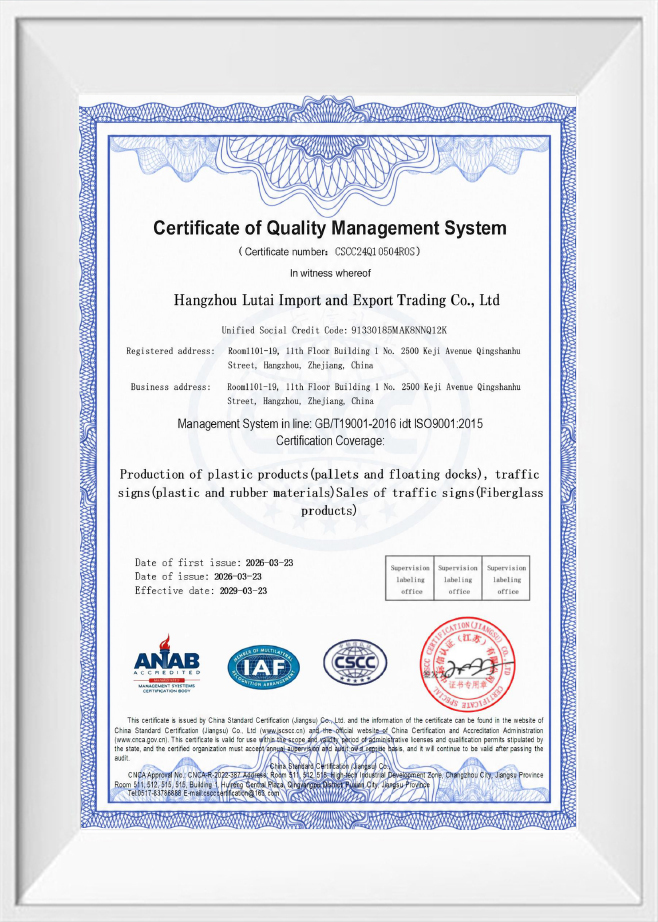
As a global sourcing partner, Hangzhou Lutai Import and Export Trading Co., Ltd. has leveraged these material advantages to supply custom solutions worldwide. With manufacturing bases in Taizhou and Henan, we ensure that every floating dock buoy we produce meets stringent international standards. Our ISO 9001-certified facilities and CE-compliant production lines guarantee that the material properties of HDPE are fully realized in the final product, offering our clients unparalleled reliability.
1. Structural and Material Specifications of HDPE Modular Floats
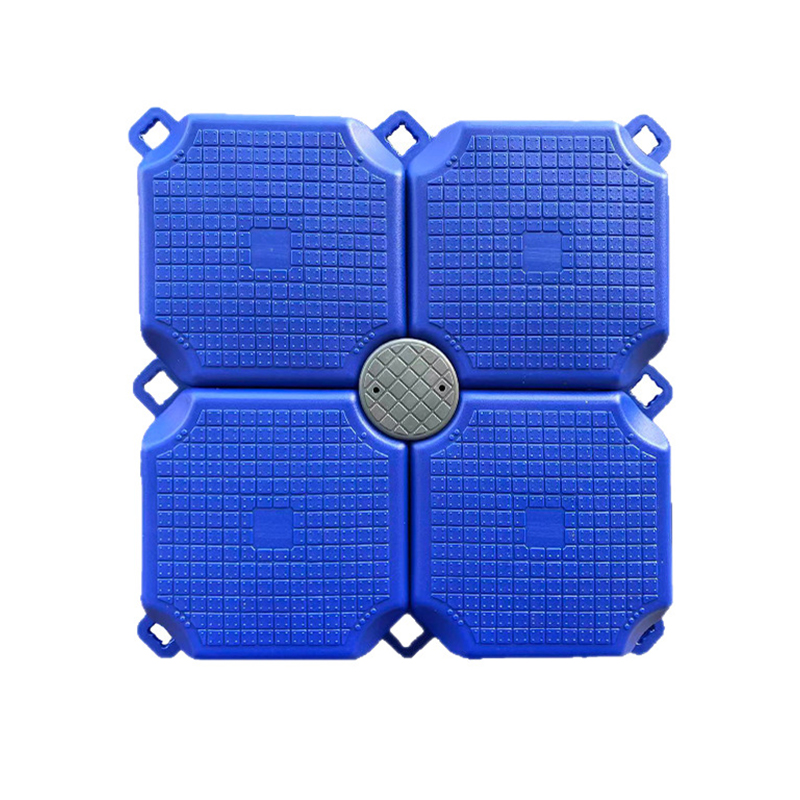
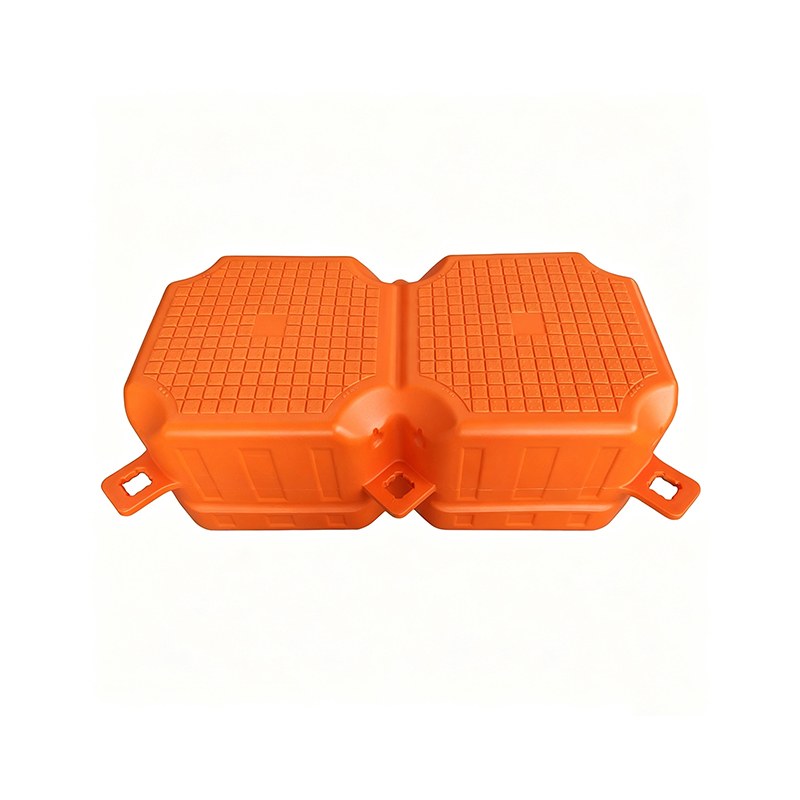
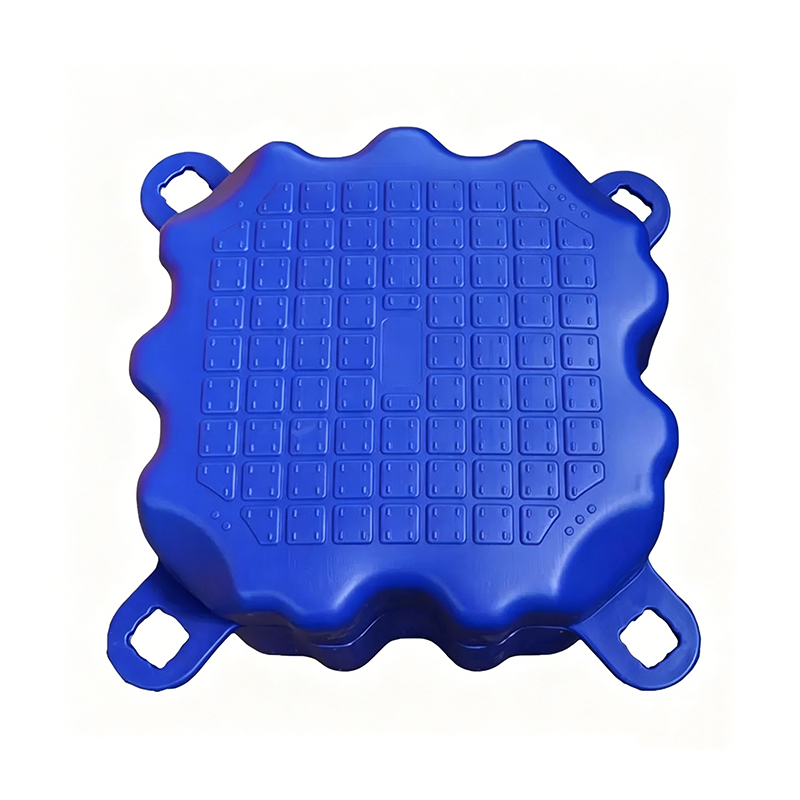
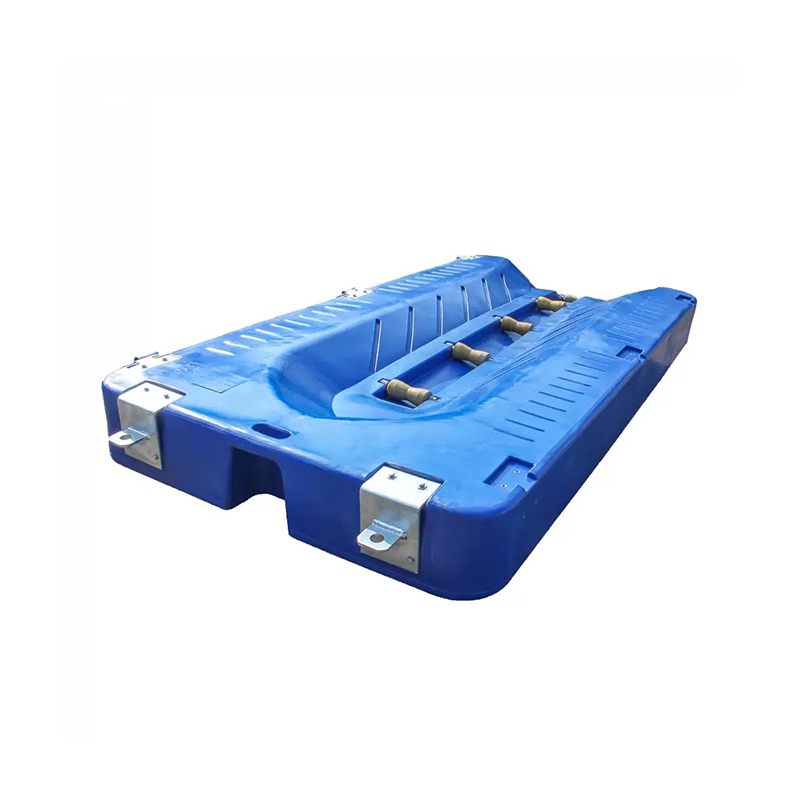
The first major product category is the standard modular float block, which forms the basic building unit for most HDPE floating pontoon systems. These units are manufactured using rotational molding or blow-molding techniques, ensuring a seamless, one-piece construction that eliminates weak points found in welded assemblies. The material density is carefully controlled to provide optimal buoyancy while maintaining structural rigidity under heavy loads.
From a technical perspective, the HDPE used in these floats incorporates advanced UV stabilizers and antioxidants, preventing photodegradation even in equatorial sun exposure. The surface is engineered with a non-slip texture, enhancing safety for pedestrians and equipment. For industrial applications, our modular floats can be internally reinforced with structural ribs, significantly increasing load-bearing capacity without adding excessive weight.
Our partner, Hangzhou Lutai Import and Export Trading Co., Ltd., offers OEM/ODM customization for these modular units, allowing clients to specify color, density, and reinforcement patterns. This flexibility is particularly valuable for projects in the Americas and Europe, where local environmental regulations may dictate specific material additives. Typical applications for these modular floats include private boat docks, fishing piers, and temporary work platforms.
1.1 Key Specifications and Advantages
- Seamless Construction: Rotational molding ensures leak-proof integrity, eliminating the risk of water ingress and subsequent sinking.
- Chemical Resistance: Inert to most chemicals, including salt, oil, and acids, making it ideal for industrial harbors and marinas.
- Low Maintenance: Requires only occasional washing; no painting, scraping, or corrosion treatment is needed over its lifetime.
- Ease of Installation: Modular design allows for rapid assembly using simple hand tools, reducing labor costs significantly.
2. Custom Floating Dock Buoys for Specialized Applications
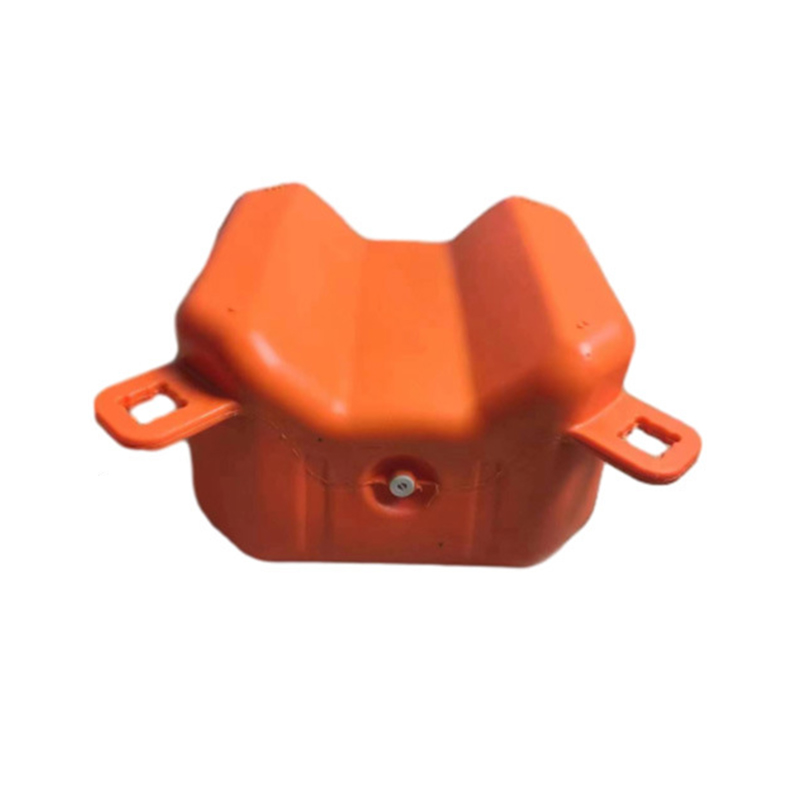
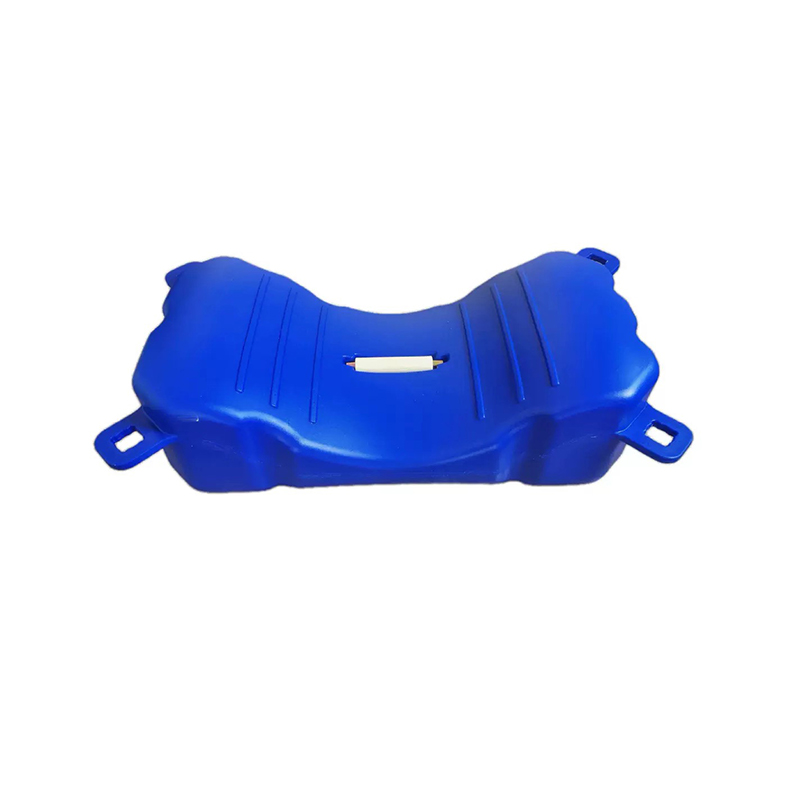
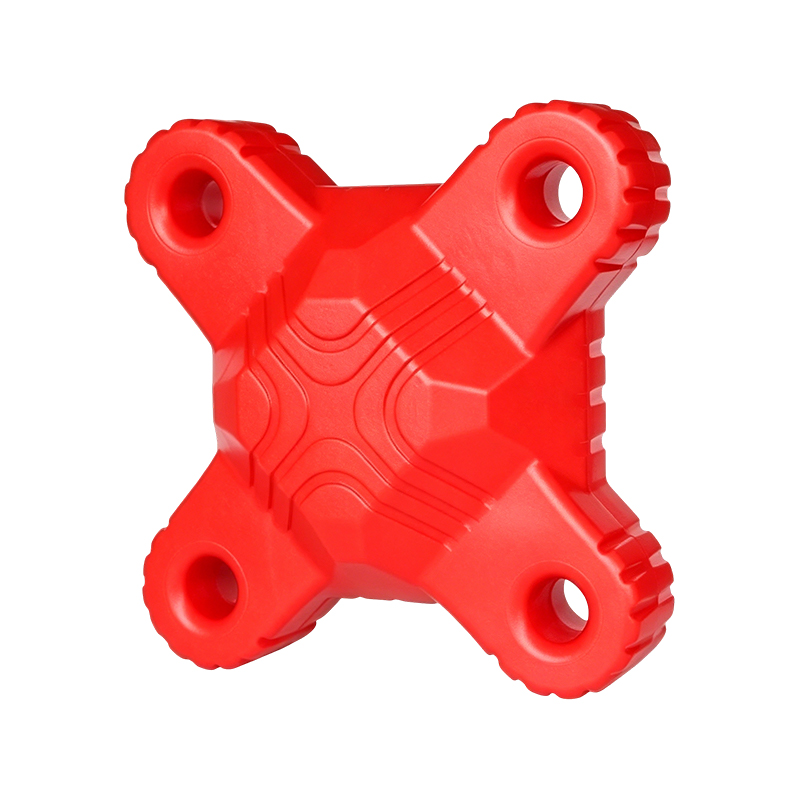
Beyond standard blocks, the industry has evolved to include specialized custom floating dock buoy designs tailored for specific operational demands. These buoys are not simply larger floats; they are engineered systems that incorporate mooring points, utility conduits, and even integrated fendering systems. The HDPE material is particularly suited for these custom shapes due to its excellent moldability and dimensional stability.
For instance, in regions with extreme tidal ranges, such as parts of Canada and the UK, custom buoys are designed with high freeboard and deep draft to maintain stability during rapid water level changes. The material's low thermal conductivity also prevents ice adhesion in winter, a critical advantage for northern markets. Additionally, for floating solar farms, custom buoys are produced with flat, reinforced tops to support photovoltaic panels, distributing the weight evenly across the HDPE floating pontoon array.
At Hangzhou Lutai Import and Export Trading Co., Ltd., we utilize our R&D capabilities to develop these custom solutions from concept to mass production. Our engineers work closely with clients to simulate load conditions, water currents, and wind forces, ensuring that every custom buoy delivers optimal performance. This approach has made us a preferred plastic floating dock pontoon supplier for high-profile projects in Australia and the Middle East, where environmental conditions are particularly challenging.
| Feature |
Standard Modular Float |
Custom Floating Buoy |
| Primary Material |
HDPE (UV-stabilized) |
HDPE with additives (e.g., anti-static, fire-retardant) |
| Load Capacity (kN/m²) |
15–25 (standard) |
30–60 (reinforced) |
| Typical Applications |
Private docks, swim platforms |
Floating solar, heavy equipment access, wave attenuators |
| Mooring Integration |
External bolted cleats |
Embedded stainless steel inserts |
| Lead Time (for 100 units) |
15–20 days |
30–45 days (depending on complexity) |
3. Modular Floating Pontoon Systems for Large-Scale Infrastructure
The third category encompasses complete modular floating pontoon systems designed for commercial ports, ferry terminals, and emergency response facilities. These systems integrate multiple buoyant units with steel or aluminum connectors, creating large, stable platforms capable of supporting vehicle traffic and heavy machinery. The HDPE material plays a crucial role here, as it provides the necessary buoyancy while allowing for flexible interconnection that absorbs wave energy.
One of the key engineering challenges in large-scale systems is maintaining structural integrity under dynamic loads. Our modular systems utilize a patented interlocking mechanism that distributes stress evenly across the entire HDPE floating pontoon network. This design has been validated through extensive finite element analysis (FEA) and physical testing, confirming its resilience in sea states up to 6. Furthermore, the system's modularity allows for easy expansion or reconfiguration, making it an ideal solution for growing ports or temporary military installations.
As a floating pontoon factory with integrated supply chain management, Hangzhou Lutai Import and Export Trading Co., Ltd. offers end-to-end solutions for these large-scale projects. Our Henan base, in particular, is equipped with large-format molding machines capable of producing pontoon sections up to 12 meters in length. This capability, combined with our competitive factory-direct pricing, has positioned us as a leading china floating pontoon manufacturers for infrastructure projects in Europe and Southeast Asia.
- Site Assessment: We conduct hydrographic surveys to determine wave climate and load requirements.
- Custom Engineering: Our team designs the pontoon layout, including anchorage and access ramps.
- Manufacturing & Quality Control: Production follows ISO 9001 protocols, with CNAS-accredited testing.
- Logistics & Assembly: We coordinate shipping and provide on-site supervision for assembly.
4. Comparative Analysis and Industry Positioning
The table below provides a direct comparison between HDPE-based pontoons and conventional alternatives, highlighting the material and design advantages that make HDPE floating pontoon systems the preferred choice for modern floating infrastructure.
| Parameter |
HDPE Modular Pontoon |
Steel / Aluminum Pontoon |
Foam-Filled Plastic Drum |
| Corrosion / Rot |
Virtually none |
High (requires coatings) |
Moderate (foam degrades) |
| UV Stability (years) |
25+ |
5–10 (paint-dependent) |
3–5 |
| Impact Resistance |
Excellent (elastic) |
Fair (denting, cracking) |
Poor (punctures) |
| Installation Complexity |
Low (bolted connections) |
High (welding, heavy lifting) |
Medium (strapping) |
| Lifecycle Cost (25 years) |
Lowest |
High (repainting, repairs) |
Very high (replacement) |
This data underscores why engineering firms and government agencies consistently specify HDPE for critical marine infrastructure. The material's inherent resistance to marine borers, combined with its non-toxic nature, makes it the only logical choice for ecologically sensitive areas. Moreover, as a plastic floating dock pontoon manufacturer, we continually invest in material science to enhance these properties, ensuring our clients receive the most advanced products available.
Our commitment to quality and innovation has earned Hangzhou Lutai Import and Export Trading Co., Ltd. a stellar reputation among floating dock buoy manufacturers worldwide. We adhere to the principle of "Competing through Quality, Growing through Mutual Benefit," and we look forward to establishing long-term, fruitful partnerships to further expand the global market.
Frequently Asked Questions
Q1: What is the difference between a standard modular float and a custom floating dock buoy?
A standard modular float is a generic, off-the-shelf block designed for general-purpose buoyancy. In contrast, a custom floating dock buoy is engineered for specific load conditions, mooring configurations, or accessory integration. For example, a custom buoy might include embedded stainless steel inserts for cleats or conduits for electrical cables, whereas a standard float only provides basic flotation.



 Español