How do I anchor a floating dock made of single pontoons to the shore?
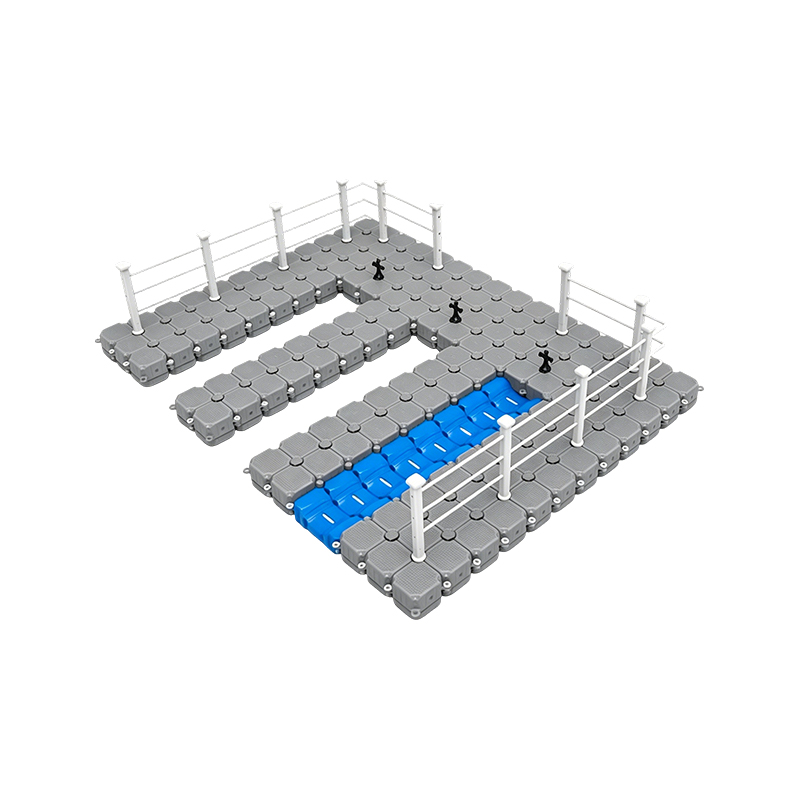
Anchoring a floating dock constructed from single HDPE floating pontoon units requires a systematic approach that balances environmental conditions, load expectations, and the unique physical properties of high-density polyethylene. Unlike fixed piers, a floating dock rises and falls with water levels, which means the anchoring system must accommodate vertical movement while resisting horizontal forces from wind, waves, and currents. This article provides a professional, step-by-step methodology for securing your modular dock, while also examining the technical specifications of the single HDPE floating pontoon system, its variants, and the operational advantages offered by a reliable supply partner.
1. Understanding the Anchoring Principle for Modular Floats
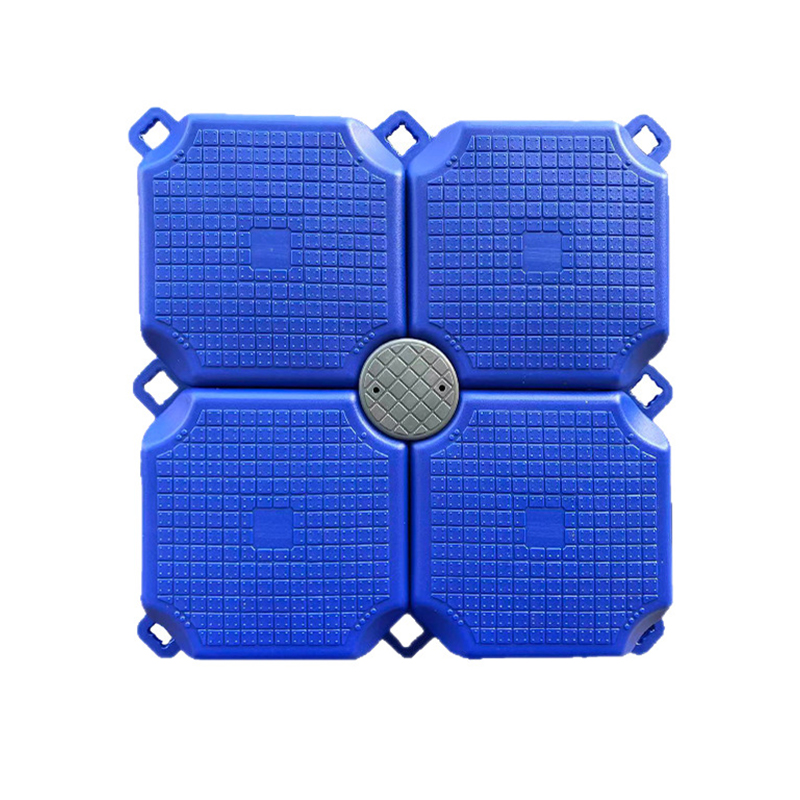
The fundamental challenge in anchoring a floating dock is that the mooring system must allow free vertical travel (tidal or seasonal fluctuation) while maintaining a fixed horizontal position. For docks built with single HDPE floating pontoon blocks—each measuring 50×50×40 cm and weighing 7.0 kg—the total buoyancy and draft characteristics directly influence anchor line tension. A typical 1-square-meter platform (four pontoons) has an empty draft of just 2.5–3 cm, but under a 150 kg load, the draft increases to 15–20 cm; at the maximum 325 kg limit, it sinks to 35–40 cm. This substantial draft variation means anchor lines must be elastic or have sufficient slack to prevent the dock from submerging during high load conditions. The most common methods are the pole-and-sleeve system (vertical guide piles), the deadweight anchor system (concrete blocks), and the screw-in helical anchor system for soft bottoms. Each method interacts differently with the single HDPE floating pontoon configuration, and the choice depends on water depth, bottom substrate, and wave exposure.
2. Product Classification by Structural Configuration
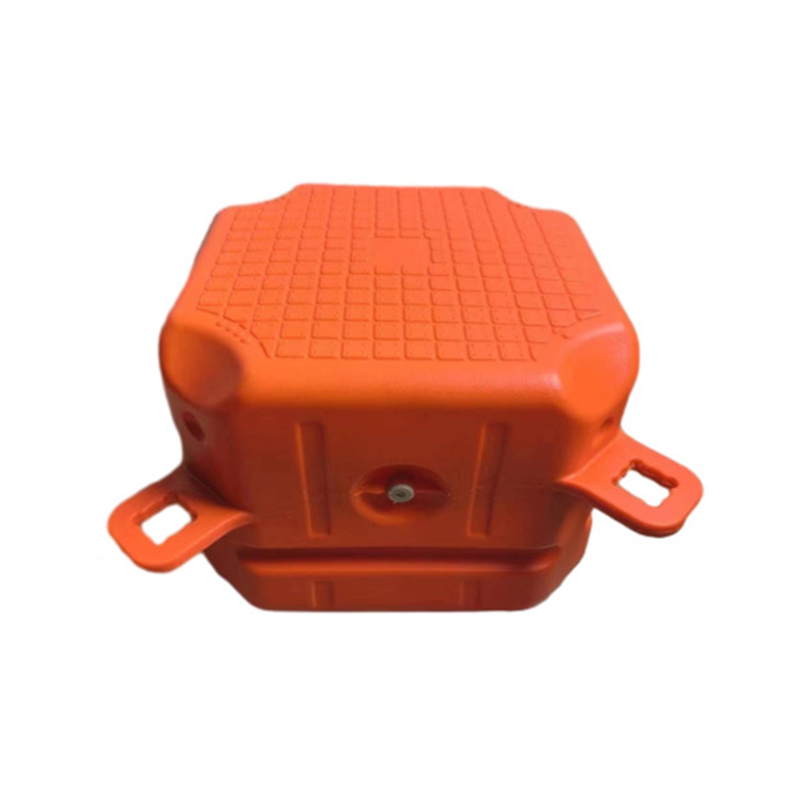
To implement a proper anchoring plan, it is essential to recognize that single HDPE floating pontoon units are not monolithic; they are offered in several configurations that affect the attachment points and load distribution. Based on the product specifications from Hangzhou Lutai Import and Export Trading Co., Ltd., we can distinguish three primary sub-categories: the Standard Flat Float, the Low-Profile Float, and the Reinforced Heavy-Duty Float. Each has distinct mounting inserts, connector slots, and top-load ratings that influence how anchor brackets and mooring cleats should be installed.
2.1 Standard Flat Float – All-Purpose Versatility
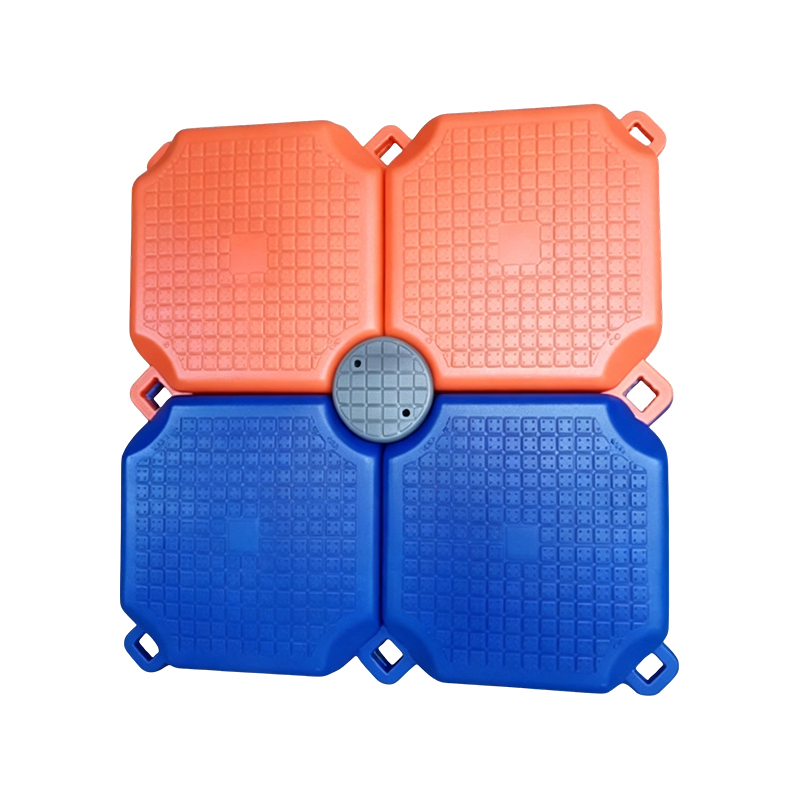
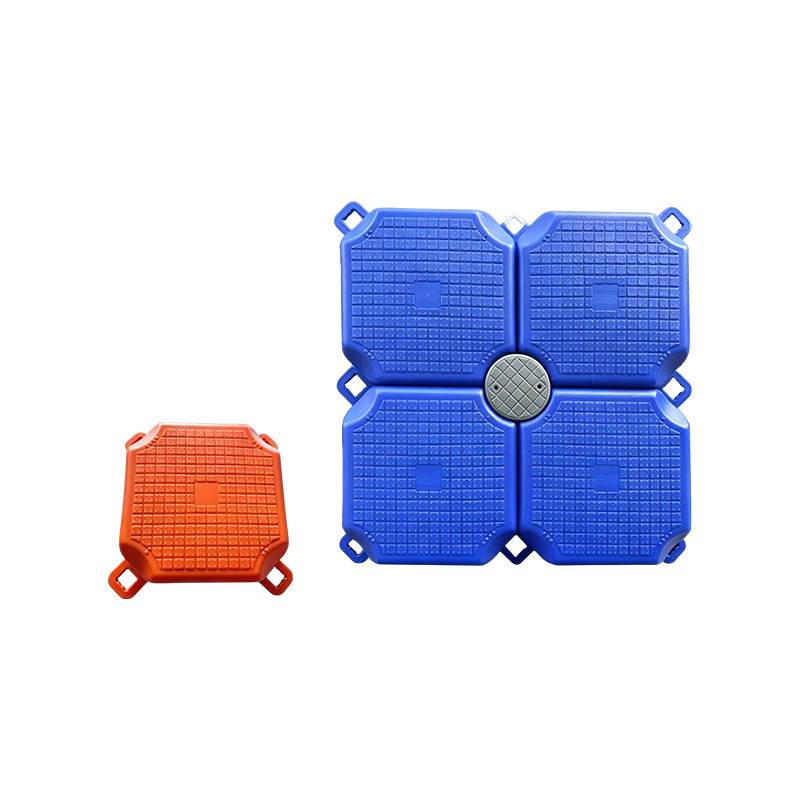
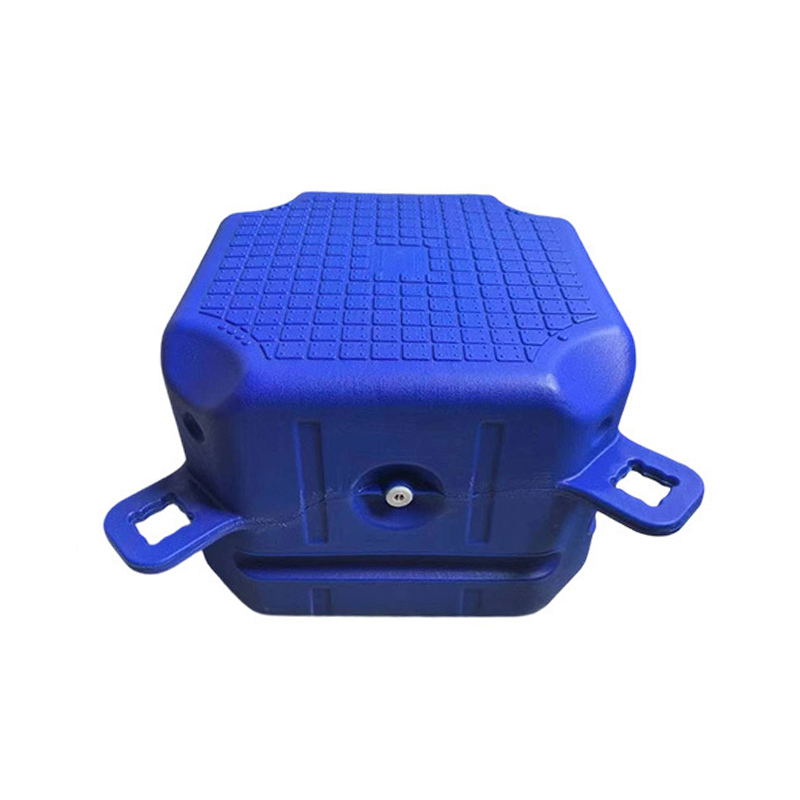
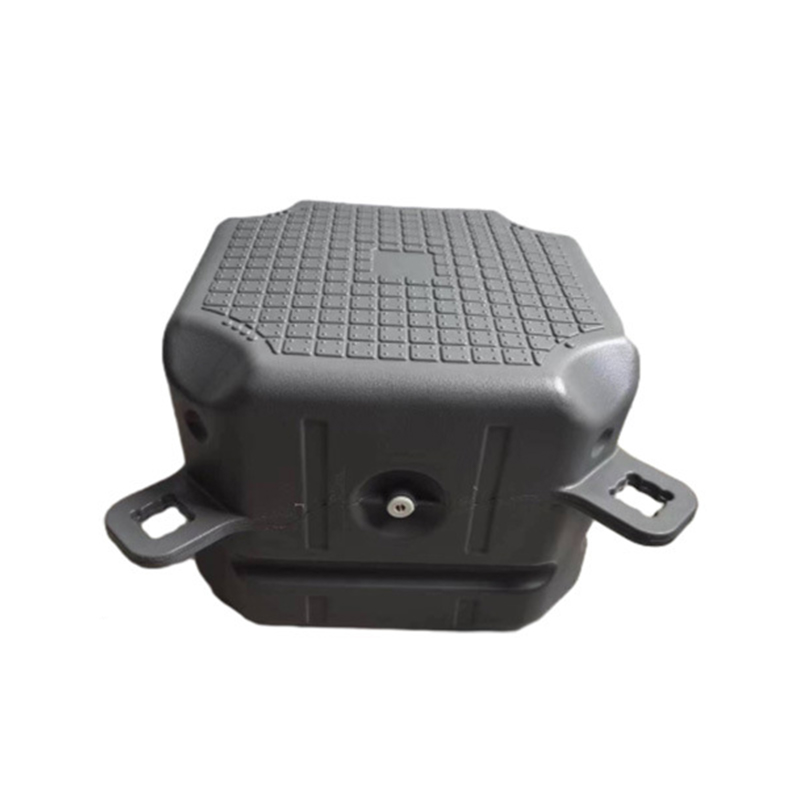
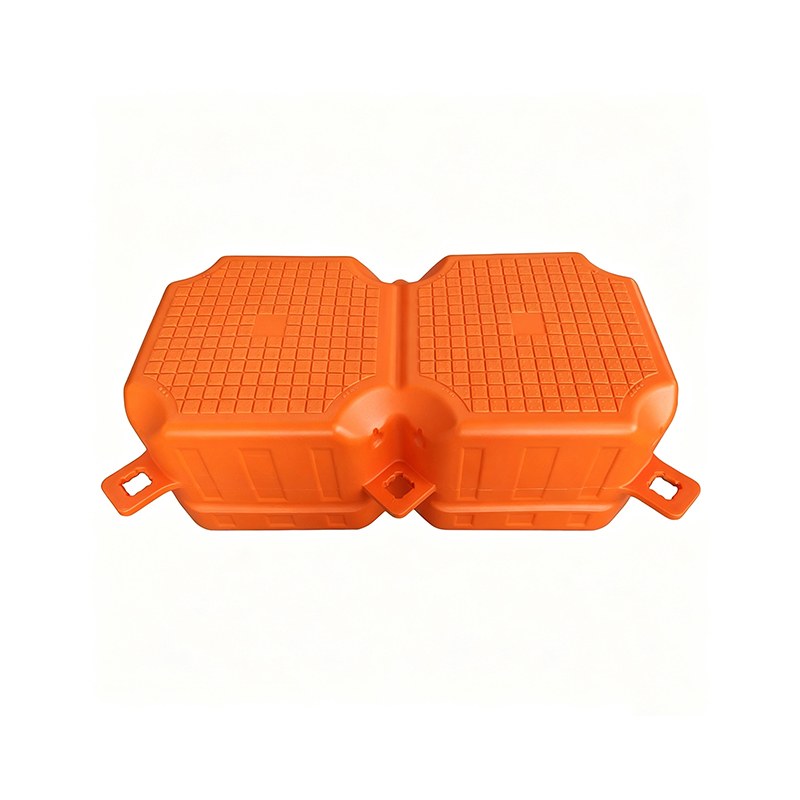
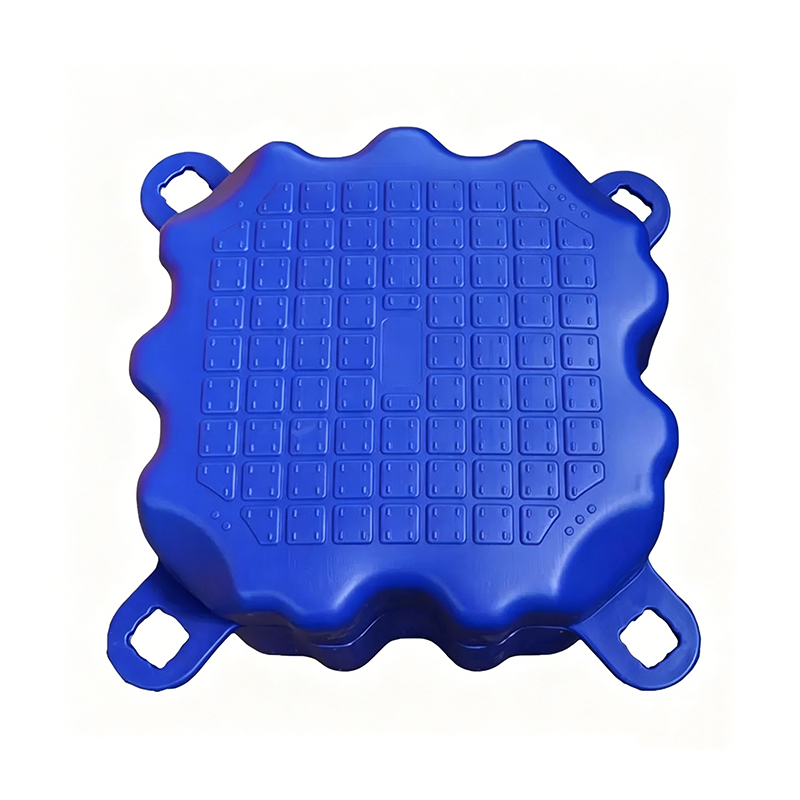
The Standard Flat Float is the baseline model, offered in blue, orange, and grey. Its top surface features an anti-slip texture, and the side faces include molded-in connector holes for plastic pins or stainless steel bolts. This type is most commonly used for seasonal docks, small boat landings, and swim platforms. When anchoring a dock made of this float type, the recommended practice is to install four corner mooring eyes using through-bolts that penetrate the full 40 cm height of the unit. Because the float has a uniform wall thickness of approximately 8 mm, the bolt holes must be sealed with marine-grade silicone to prevent water ingress. The maximum top load of 325 kg per square meter—when distributed over a 3×3 m dock (9 sqm)—allows for a total payload of nearly 2.9 metric tons, but the anchor system must be designed for dynamic forces that can exceed 50% of the deadweight. For this category, Hangzhou Lutai Import and Export Trading Co., Ltd. provides pre-fabricated stainless steel anchor brackets that match the standard connector spacing, simplifying field installation.
2.2 Low-Profile Float – Reduced Windage and Shallow Water Application
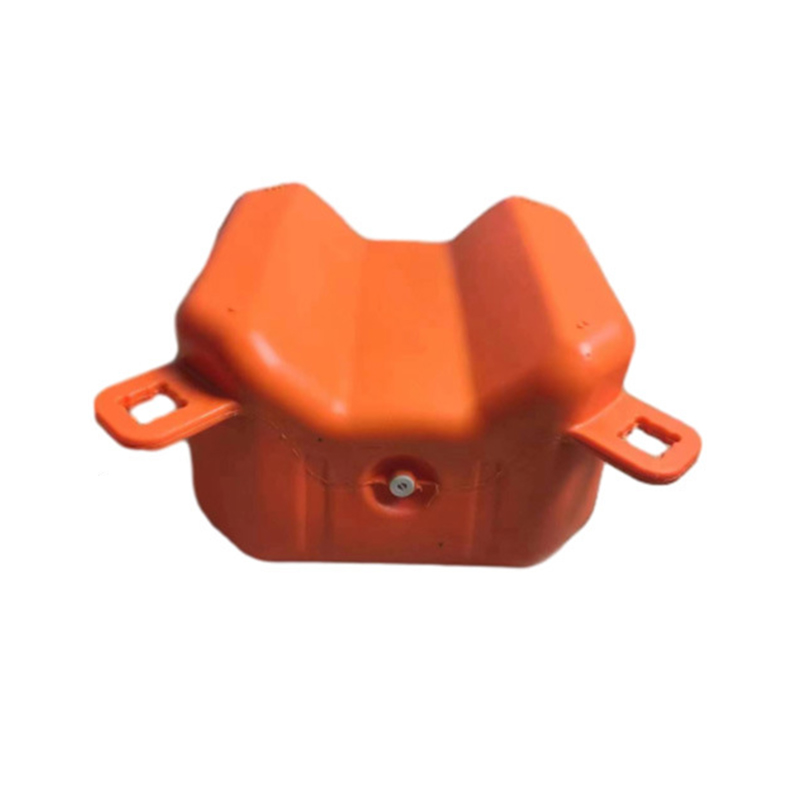
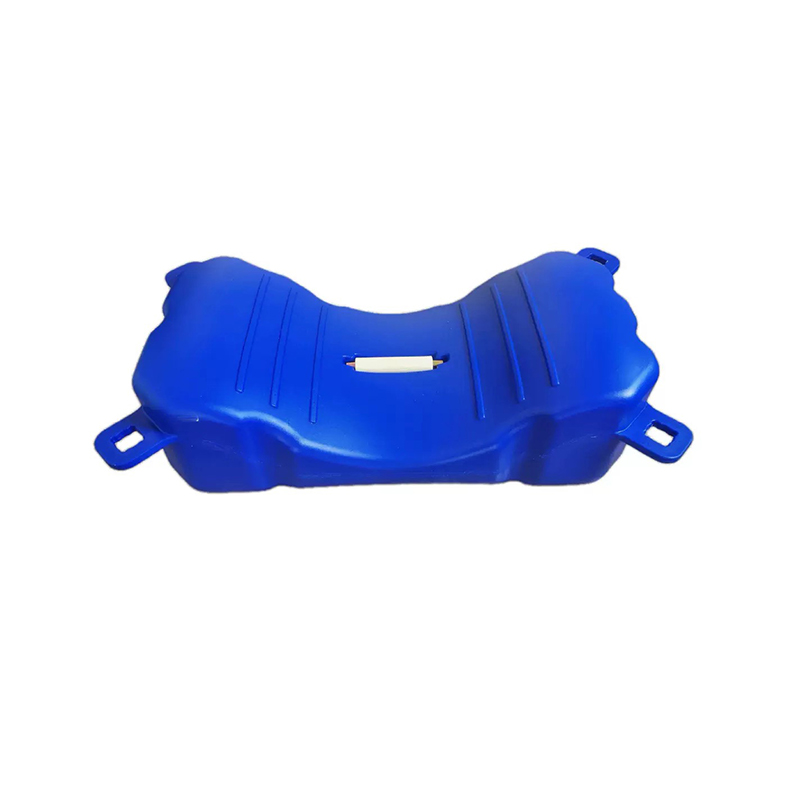
The Low-Profile Float shares the same 50×50 cm footprint but has a reduced height of 30 cm (compared to the standard 40 cm). This design lowers the center of gravity and reduces wind resistance, making it ideal for exposed lakes or reservoirs where gusts are frequent. However, the reduced buoyancy means the empty draft is slightly deeper (3.5–4 cm), and the load limit drops to 250 kg per square meter. Anchoring a low-profile dock requires a gentler approach: screw-in anchors with a spiral plate are preferred over deadweight blocks because the lighter dock may lift concrete blocks off the bottom during storm surges. The side connector channels are identical to the standard version, so the same mooring hardware can be used. For this variant, the marina floating buoy integration is particularly effective—adding small spherical buoys along the anchor lines to reduce chafing and provide visual depth indication. Hangzhou Lutai’s engineering team has developed a dedicated anchoring kit for this profile, including nylon rope with 30% elongation and galvanized chain for the bottom section.
2.3 Reinforced Heavy-Duty Float – High-Load Industrial Piers
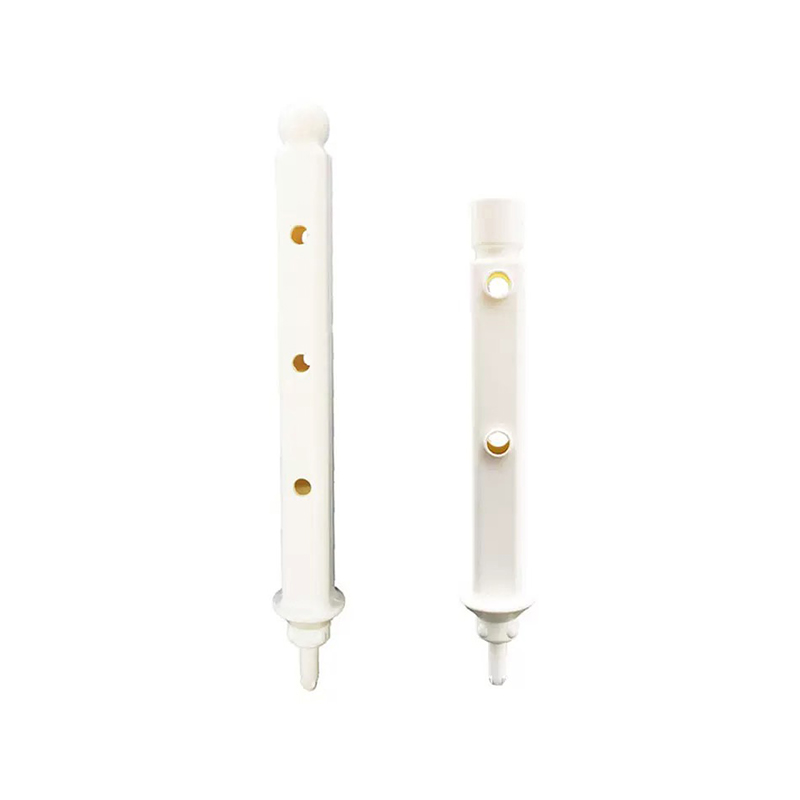
Designed for commercial marinas, fishing platforms, and heavy equipment access, the Heavy-Duty version uses a 50% thicker shell (12 mm nominal) and internal cross-ribs. The top load capacity reaches 450 kg per square meter, and the unit weight increases to 10.5 kg. This float is available in grey and orange only. Anchoring a heavy-duty dock demands pile-guided systems—vertical steel or concrete piles that pass through guide rings attached to the dock corners. The piles restrict horizontal movement while allowing free vertical sliding. Each guide ring must be secured to the float using heavy-duty backing plates, which distribute the lateral forces across multiple pontoons. For this category, the wholesale floating dock pontoon supply chain offered by Hangzhou Lutai Import and Export Trading Co., Ltd. includes pre-welded guide brackets and custom-sized pile sleeves, ensuring that the anchoring hardware matches the float’s reinforced structure. Additionally, the company offers OEM/ODM services to modify the connector positions for unique pile spacing.
| Float Type |
Height (cm) |
Max Load (kg/m²) |
Empty Draft (cm) |
Recommended Anchor Type |
| Standard Flat |
40 |
325 |
2.5 – 3.0 |
Deadweight or Helical |
| Low-Profile |
30 |
250 |
3.5 – 4.0 |
Helical (preferred) |
| Heavy-Duty |
40 |
450 |
3.0 – 3.5 |
Pile-Guided System |
3. Step-by-Step Anchoring Procedure
Regardless of the float type, the physical anchoring process follows a logical sequence. The following steps incorporate the load and draft data of the single HDPE floating pontoon to ensure safety and longevity.
- Site assessment – Measure water depth at high and low tide, identify bottom composition (sand, mud, rock), and calculate the maximum wind fetch.
- Anchor selection – Choose between deadweight (concrete blocks, 50–100 kg each), helical anchors (ideal for sandy/muddy bottoms), or pile guides (for deep water and heavy loads). For a standard 3×3 m dock using single HDPE floating pontoon units, two deadweight anchors (80 kg each) at the offshore corners and two shorelines are often sufficient.
- Mooring line configuration – Use a 2:1 scope (length of line to water depth) for chain, or 3:1 for nylon rope. Attach the lines to the float’s reinforced corner eyes—these eyes should be backed by large washers to prevent pull-through.
- Installation – Deploy the anchors, connect the lines with marina floating buoy mid-line floats to keep the rope off the bottom, and adjust the tension so that the dock sits level at mean water level.
- Testing – Apply a 150 kg point load (simulating a person and gear) at the center and corners; measure the draft increase (should be 15–20 cm) and check that the anchor lines do not become taut to the point of submerging the deck.
4. Company Capabilities and Quality Assurance
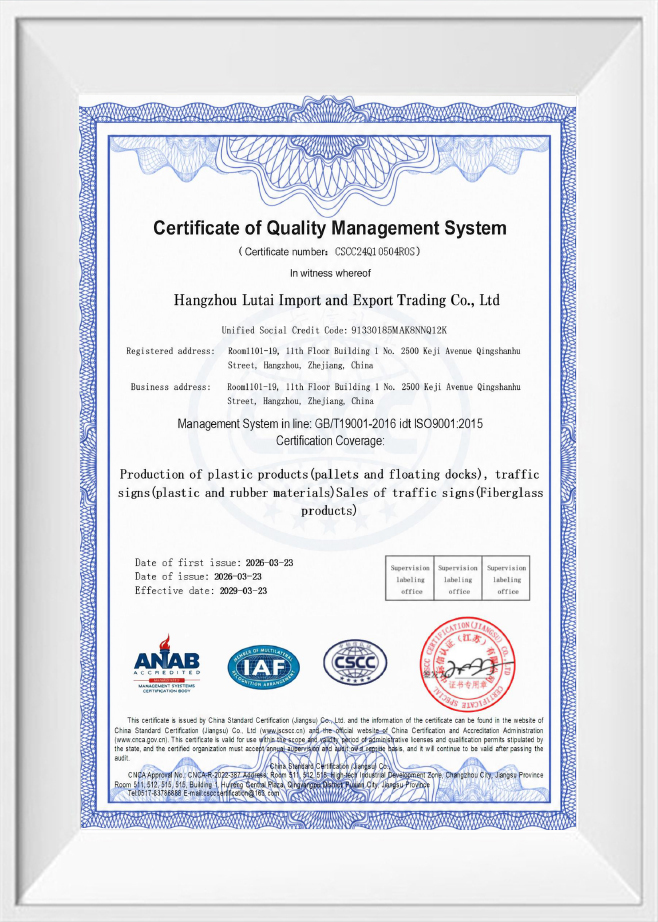
Hangzhou Lutai Import and Export Trading Co., Ltd. stands behind every single HDPE floating pontoon with a comprehensive quality system. Headquartered in Hangzhou, the company operates two manufacturing bases in Taizhou and Henan, offering factory-direct pricing and strict ISO 9001 compliance. All floats are tested for UV stability, impact resistance at -60°C, and deformation at 80°C—covering the entire operational range. Moreover, the company’s R&D team can develop custom anchoring brackets and connector plates based on your site drawings, a service that is particularly valuable for the heavy-duty and low-profile variants. With CE and CNAS certifications and multiple international patents, the company ensures that each wholesale floating dock pontoon order meets the highest global standards. Their export footprint includes North America, Europe, Asia-Pacific, and the Middle East, with a proven track record of delivering complete anchoring kits alongside the pontoons. This integrated approach—supply and engineering support—reduces the risk of mismatched hardware and on-site modifications.
5. Operational Advantages of Modular Anchoring
- Adaptability – You can reconfigure the dock layout by adding or removing single HDPE floating pontoon units without changing the anchor positions, as long as the total load remains within the design envelope.
- Maintenance simplicity – Each float can be individually unclipped and replaced if damaged, without disrupting the entire mooring system.
- Temperature resilience – The HDPE material retains its mechanical properties from -60°C to 80°C, so anchor eyes and connector holes do not become brittle or soft over time.
- Corrosion-free – Unlike steel barrels, HDPE does not rust, so the attachment points remain structurally sound even in saltwater environments, extending the service life of the whole anchoring system.
Frequently Asked Questions
Q1: Can I use a single deadweight anchor for a 2×2 m dock made of single HDPE floating pontoons?
Yes, for a 2×2 m platform (four square meters, total buoyancy ~1,300 kg), a single 80 kg concrete block at the offshore center can work in sheltered waters. However, Hangzhou Lutai Import and Export Trading Co., Ltd. recommends at least two anchors for redundancy, especially if the dock is used for boarding boats.
Q2: How do I attach mooring lines to the low-profile float without weakening the structure?
The low-profile float has molded side slots that accept stainless steel strap brackets. Use these factory-designed attachment points rather than drilling new holes. If additional eyes are required, drill only through the top deck (not the side walls) and use a backing plate with a neoprene gasket to maintain watertight integrity.
Q3: What is the maximum wave height that a pile-guided heavy-duty dock can withstand?
With the reinforced floats from Hangzhou Lutai, the system is rated for wave heights up to 1.2 meters, provided the pile diameter is at least 15 cm and the guide sleeves are lubricated periodically. The limiting factor is not the float itself but the pile embedment depth.
Q4: Can I combine standard and low-profile floats in one dock for anchoring purposes?
Yes, but the combined structure will have uneven buoyancy. The anchor points must be positioned at the lowest-draft (standard) sections to prevent the low-profile floats from submerging during heavy loads. It is always safer to use a uniform float type for a given dock section, and wholesale floating dock pontoon orders from Hangzhou Lutai can be tailored to a single type to simplify anchoring design.



 Español