What are the key features of an omni-directional self-righting delineator post?
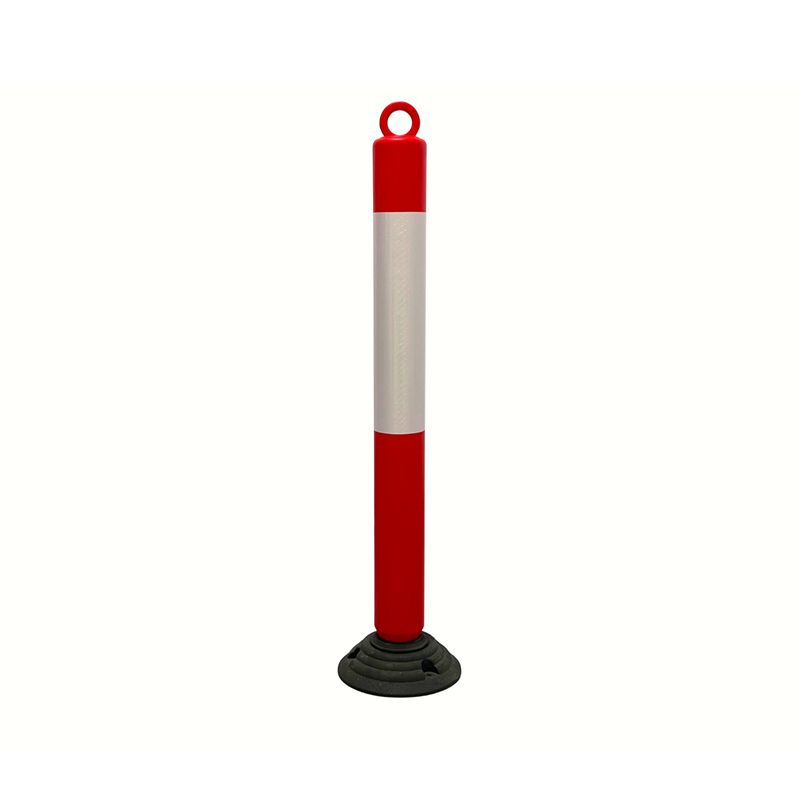
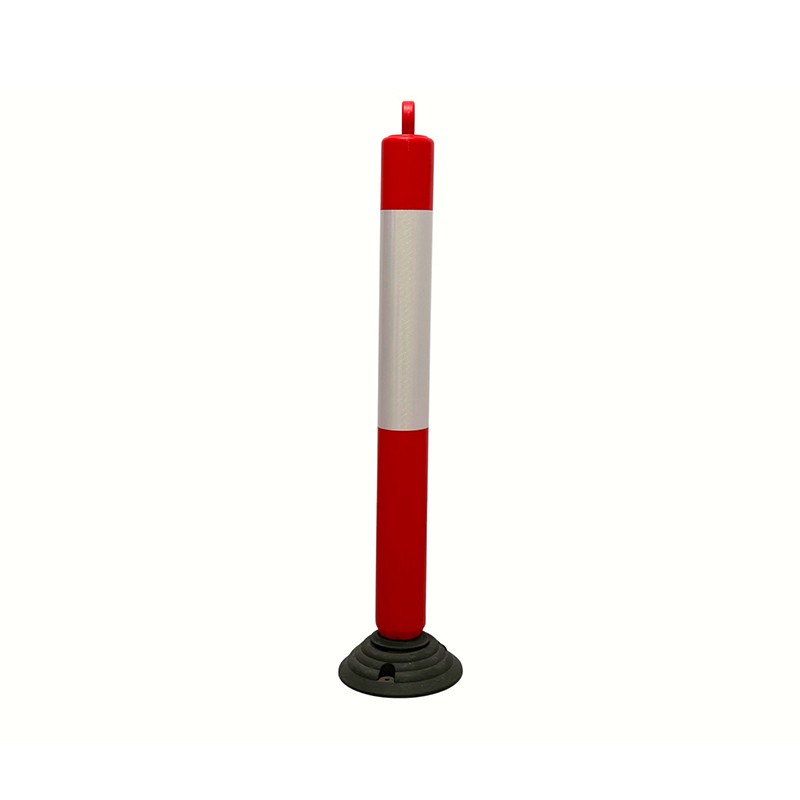
In modern urban traffic management and high-impact zone safety, the omni-directional self-righting delineator post for high-impact zones and urban traffic guidance has emerged as an indispensable asset. Unlike traditional rigid or break-away posts, this advanced safety device combines mechanical resilience with intelligent design to ensure continuous lane separation, pedestrian protection, and vehicle redirection. Its core value lies in the ability to absorb impacts from any direction and instantly revert to its upright position, drastically reducing downtime and maintenance intervention. This article systematically examines the key features of this innovative product, drawing on technical specifications, real-world application scenarios, and the manufacturing excellence offered by leading suppliers.
The foundation of any effective traffic guidance system in collision-prone environments is durability paired with rapid recovery. The omni-directional self-righting delineator post for high-impact zones and urban traffic guidance fulfills this requirement through a synergistic combination of material science, mechanical engineering, and optical visibility. To fully appreciate its capabilities, we must dissect its primary subsystems: the self-righting mechanism, the impact-resistant post body, the reflective guidance system, and the anchoring solution. Each element contributes to the overall performance, and when integrated, they deliver a cost-effective, long-term solution for municipalities, highway authorities, and private facility managers. Furthermore, companies like Hangzhou Lutai Import and Export Trading Co., Ltd. have refined the production and customization of these posts, ensuring they meet international standards while offering flexible OEM options.
1. Self-Righting Mechanism and Dynamic Recovery
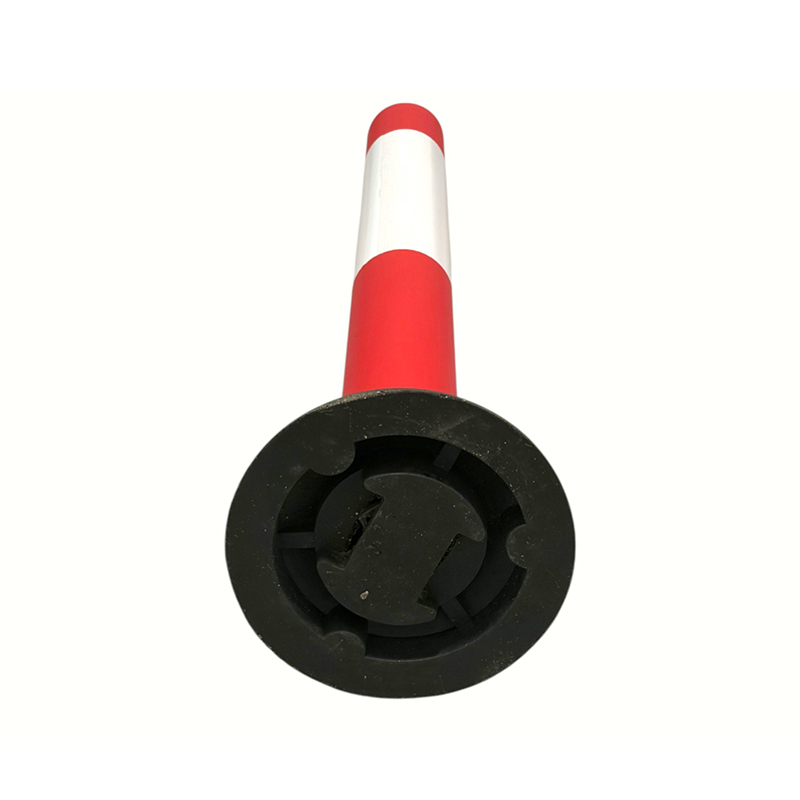
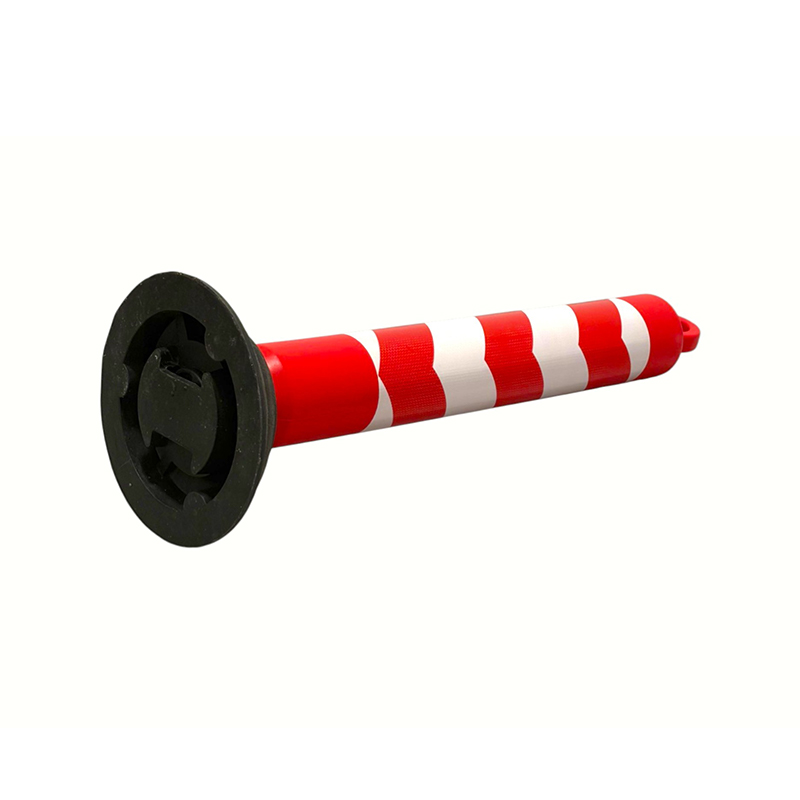
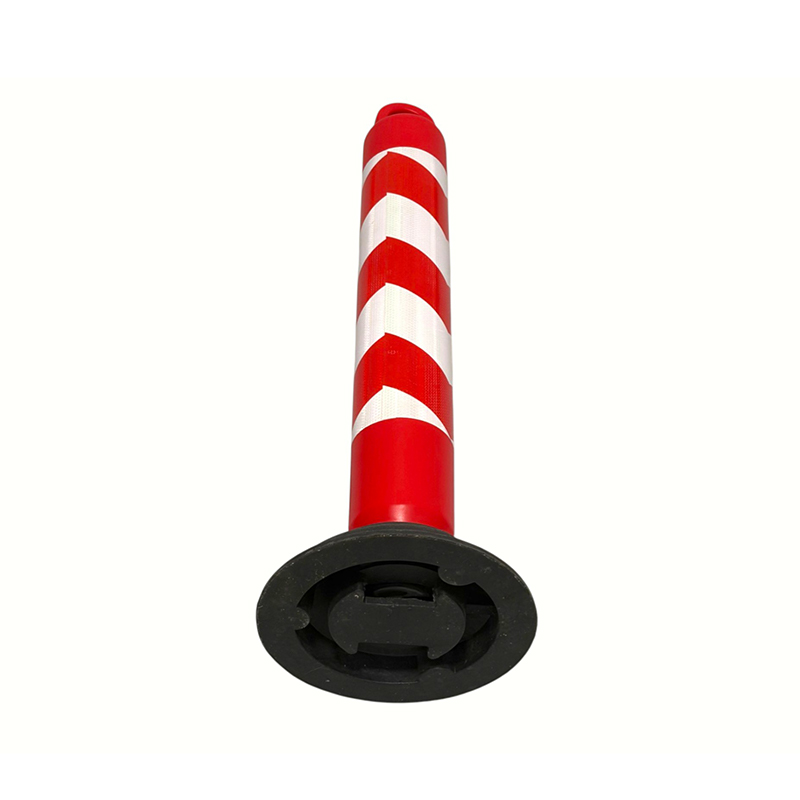
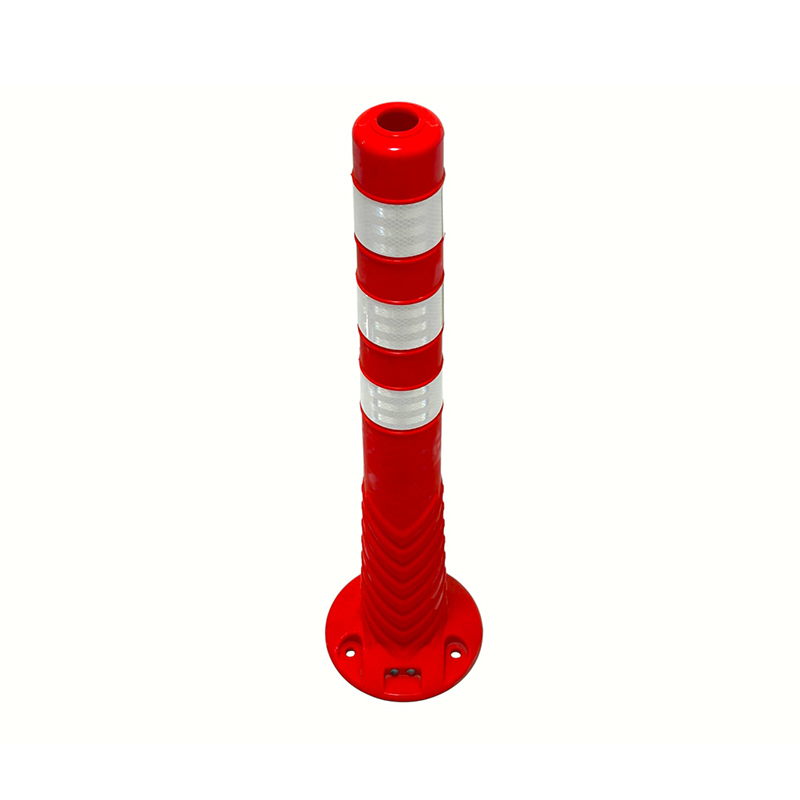
The most defining feature of this delineator is its self-righting design, which integrates a high-strength spring mechanism or flexible buffer connector within the base. This engineering choice provides 360° omnidirectional bending capability, allowing the post to yield under impact from vehicles of varying sizes—from passenger cars to heavy trucks. Upon impact, the post deflects horizontally; once the force is removed, the stored energy in the spring or elastomeric buffer forces the post to instantly return to a vertical position, much like a "Tumbler" toy. This is not merely a convenience but a critical safety function: a fallen delineator ceases to guide traffic, creating hazards in work zones or sharp curves. The omni-directional self-righting delineator post for high-impact zones and urban traffic guidance ensures that guidance is restored within seconds, without manual intervention, making it ideal for high-frequency collision areas such as toll plazas, parking entrances, and narrow urban lanes.
From a technical standpoint, the recovery speed and angular tolerance are vital parameters. Premium models, such as those manufactured under the quality systems of Hangzhou Lutai Import and Export Trading Co., Ltd., are engineered to withstand thousands of impact cycles with minimal degradation. The base unit is typically constructed from galvanized steel or reinforced polymer, paired with a heavy-duty elastomer that maintains flexibility across a wide temperature range (−30°C to +70°C). This robust ground anchoring system, when combined with high-strength expansion bolts, ensures the delineator stays securely locked to asphalt or concrete surfaces despite frequent impacts or strong wind turbulence. Consequently, the self-righting feature directly translates to reduced maintenance costs, as facility managers no longer need to dispatch crews for routine post repositioning after minor collisions.
Key Performance Indicators of the Self-Righting Base
- Impact energy absorption: Capable of absorbing up to 1200 Joules of kinetic energy without permanent deformation.
- Return angle accuracy: Returns to within ±2° of vertical after a 70° deflection.
- Cycle durability: Tested for over 10,000 impact-recovery cycles under standard urban traffic conditions.
- Temperature resilience: Maintains self-righting performance from −25°C to +60°C, ensuring reliability in extreme climates.
2. High-Toughness Impact-Resistant Post Material
While the self-righting base handles the recovery, the post itself must withstand direct physical assault without fracturing, cracking, or losing its structural integrity. The omni-directional self-righting delineator post for high-impact zones and urban traffic guidance is crafted from premium PE (polyethylene) or TPU (thermoplastic polyurethane) materials, both renowned for exceptional impact resistance and weatherability. These polymers exhibit a unique combination of stiffness for upright stability and flexibility to bend under load. Unlike brittle plastics that shatter upon impact or cheap rubber that perishes under UV exposure, high-grade PE and TPU maintain their mechanical properties over years of outdoor service. This material choice ensures the post won't crack or fade under repeated collisions, preserving both its guidance function and its aesthetic appearance—an important consideration for urban environments where visual blight is a concern.
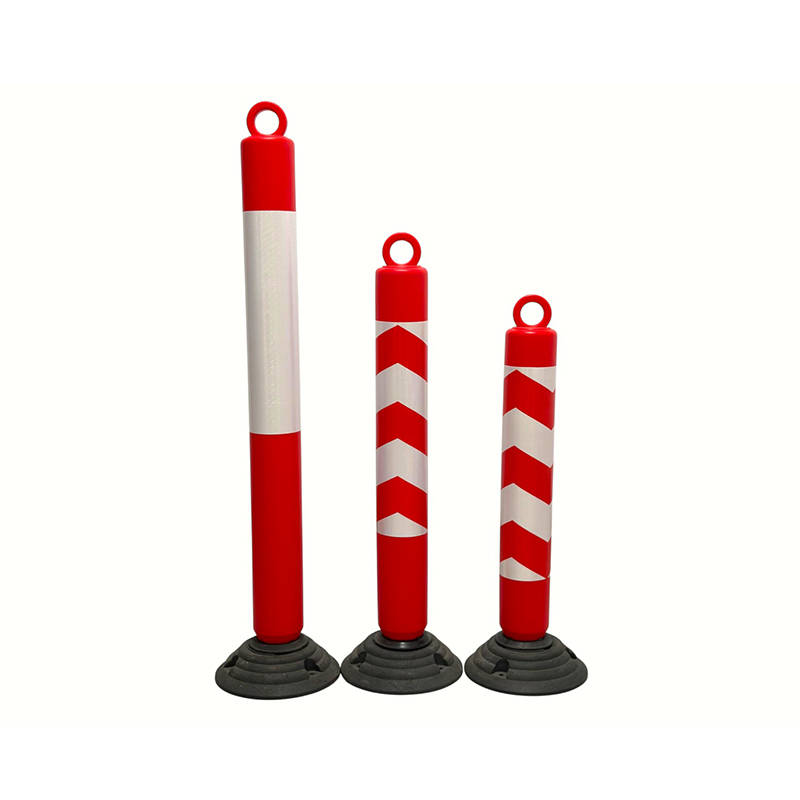
Furthermore, the material formulation includes UV stabilizers and anti-oxidation additives, which extend the service life even in high-solar-radiation regions. This is particularly relevant for applications in Middle Eastern or Mediterranean climates, where intense sunlight can degrade lesser materials within months. The warehouse anti-impact bollard concept, while often associated with interior logistics, shares this material philosophy; however, the delineator post adds the dimension of high-visibility guidance, making it suitable for both outdoor traffic and indoor facility demarcation. For instance, in warehouse loading bays, these posts can serve dual purposes—protecting structural columns while guiding vehicle movement—thus reducing the need for separate bollard and delineator inventories. Hangzhou Lutai Import and Export Trading Co., Ltd. offers customization in heights (e.g., 75cm, 100cm) and colors, with support for custom corporate logo printing, enabling seamless integration into brand-specific safety programs.
Material Specifications and Environmental Resistance
| Property |
PE Grade |
TPU Grade |
Performance Advantage |
| Impact Strength (Izod) |
45 kJ/m² |
65 kJ/m² |
TPU offers superior toughness for extreme high-impact zones |
| UV Resistance (ΔE after 1000h) |
≤ 2.5 |
≤ 1.8 |
Both maintain color stability; TPU slightly better |
| Operating Temperature |
−30°C to +65°C |
−35°C to +70°C |
TPU excels in extreme cold and heat |
| Flexural Modulus |
800 MPa |
550 MPa |
PE stiffer; TPU more flexible—choose based on deflection needs |
3. All-Weather High-Intensity Reflection and Visibility
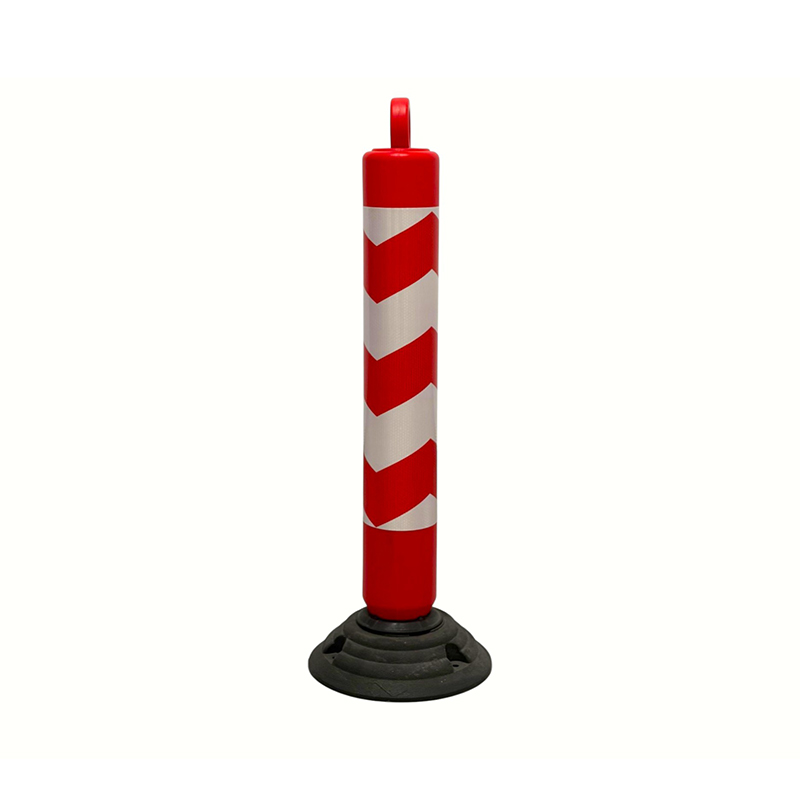
Physical resilience alone is insufficient if the post is not visible to drivers under all conditions. Therefore, the omni-directional self-righting delineator post for high-impact zones and urban traffic guidance is equipped with international-standard high-intensity reflective bands or full-sleeve reflective sheeting. These optical components are engineered to capture and return vehicle headlight beams, providing clear path guidance even at night, in tunnels, or during extreme weather such as fog or heavy rain. The retroreflective performance meets or exceeds EN 12899 and ASTM D4956 standards, ensuring that the delineator is perceivable from distances exceeding 300 meters under typical low-beam illumination. This feature is crucial for high-speed highways, ramp merges, and construction zones where early recognition of lane boundaries directly affects driver reaction time and accident prevention.
Moreover, the omni-directional nature of the post means that reflective bands are applied circumferentially, or multiple bands are placed at varying heights, ensuring visibility from all approach angles—not just straight-on. For urban intersections with complex approach geometries, this 360° visibility eliminates blind spots that fixed flat reflectors would create. In addition, some variants incorporate microprismatic sheeting that maintains high reflectivity even when the post is bent during impact, ensuring that guidance is not lost during the critical moment of collision. This makes the product equally effective for warehouse anti-impact bollard applications, where forklift operators need constant visual cues in dimly lit storage aisles. By combining visibility with impact recovery, the delineator reduces secondary incidents caused by disoriented drivers or equipment operators.
Visibility Performance Highlights
- Nighttime detection range: ≥ 300 meters under dry conditions; ≥ 150 meters under rain or mist.
- Retroreflective coefficient (RA): ≥ 500 cd/lx/m² for white bands; ≥ 300 cd/lx/m² for yellow/red bands.
- Angular performance: Maintains ≥ 70% of peak reflection at observation angles up to 30°.
- Durability: Reflective sheeting rated for 7 years of outdoor exposure without significant loss of performance.
4. Versatile Safety Guidance and Application Scenarios
The omni-directional self-righting delineator post for high-impact zones and urban traffic guidance is not limited to a single use case; its design philosophy embraces versatility. It is widely deployed in urban central medians, toll station lanes, highway ramps, and temporary construction zones requiring long-term physical segregation. In each scenario, the post serves as a passive safety device that channels traffic, protects vulnerable road users, and reduces the severity of errant vehicle impacts. For urban medians, the combination of self-righting and high visibility reduces the need for expensive concrete barriers while still deterring illegal U-turns and providing a visual buffer. In toll plazas, where vehicle speeds are moderate but impacts are frequent, the post minimizes downtime and eliminates the repetitive cost of replacing broken plastic cones.
The product also excels in temporary work zones, where traffic patterns change daily. Its quick-install base and reusable design allow contractors to relocate posts as work progresses, without sacrificing safety standards. Furthermore, the warehouse anti-impact bollard analogy is apt here: many logistics hubs have adopted these delineators to protect racking systems, conveyor belts, and pedestrian walkways. Unlike fixed steel bollards, which can damage forklifts and require concrete foundations, the self-righting delineator offers a forgiving yet effective barrier. Hangzhou Lutai Import and Export Trading Co., Ltd. leverages its two manufacturing bases in Taizhou and Henan to produce these posts in large volumes, ensuring rapid delivery for both large-scale infrastructure projects and discrete facility upgrades.
5. Robust Ground Anchoring and Maintenance Reduction
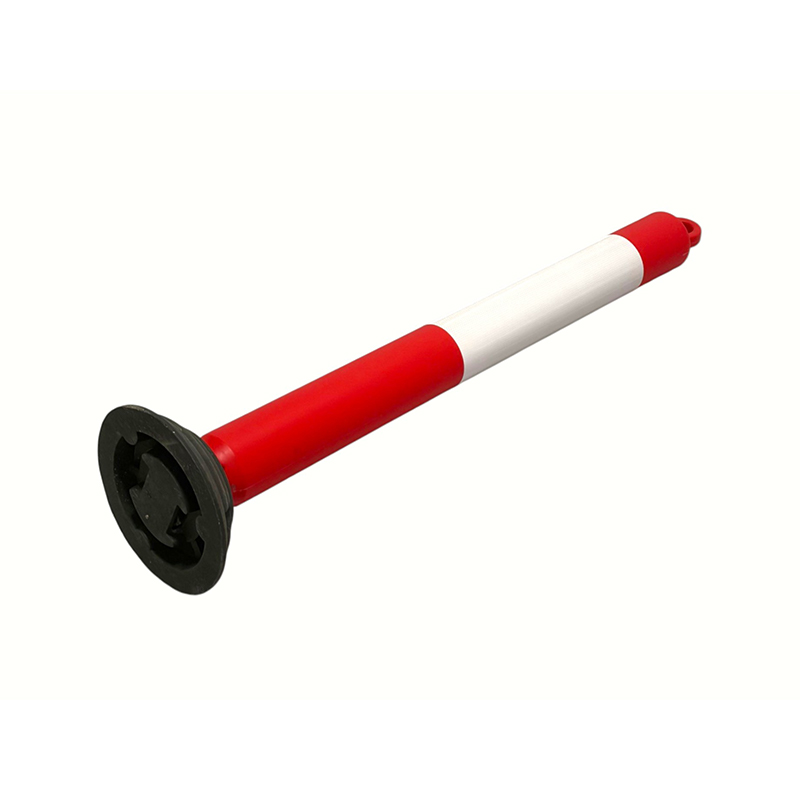
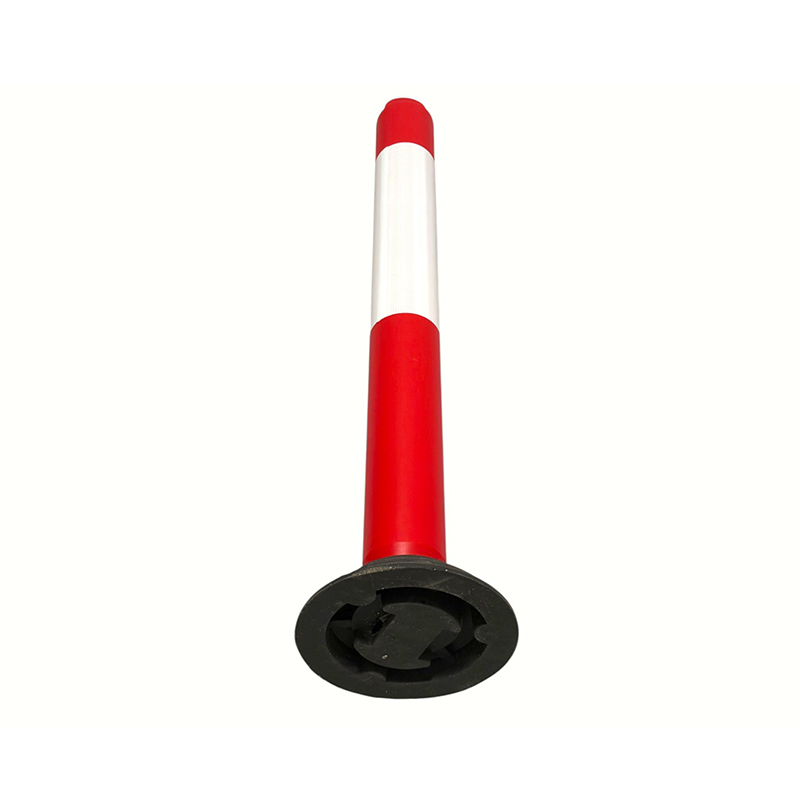
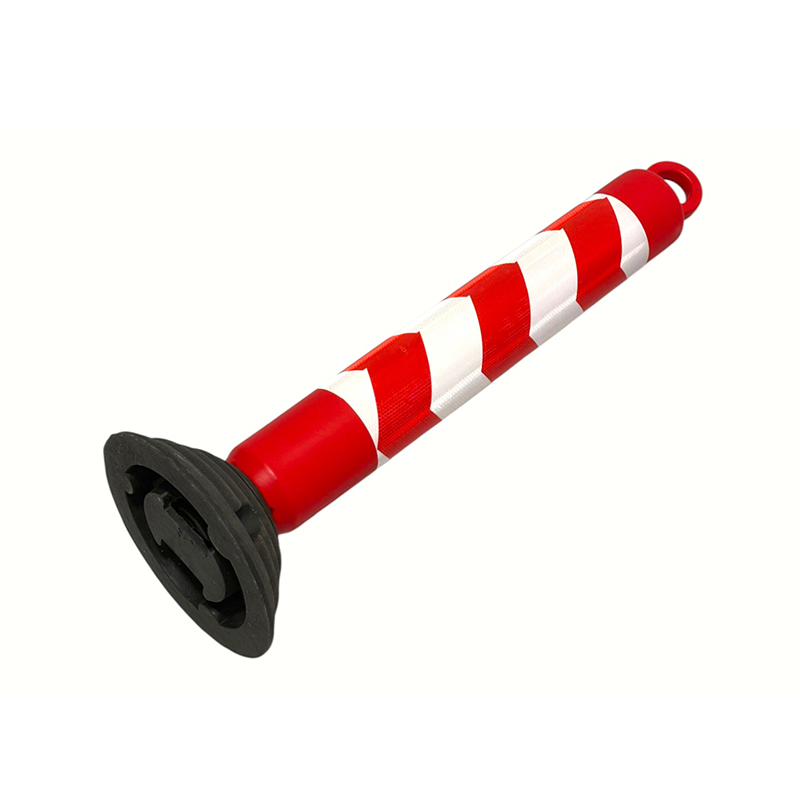
A product's overall effectiveness depends on its installation integrity. The heavy-duty base of the omni-directional self-righting delineator post for high-impact zones and urban traffic guidance, paired with high-strength expansion bolts, ensures the delineator stays securely locked to asphalt or concrete surfaces despite frequent impacts or strong wind turbulence. The base is engineered to distribute impact forces over a wide area, preventing pull-out or concrete spalling—common failure modes of inferior posts. Additionally, the base incorporates a corrosion-resistant coating (e.g., hot-dip galvanizing or epoxy) to withstand road salts, moisture, and chemical spills, further extending the system’s operational life.
Reduced maintenance costs are a primary economic driver for adopting this technology. Specifically designed for collision-prone narrow lanes, sharp turns, or parking entrances, the post significantly reduces replacement frequency and labor costs caused by damaged delineators. Whereas a fixed post requires complete replacement after a single impact—including excavation and concrete rework—the self-righting post typically only needs a visual inspection and, occasionally, a replacement of the reflective sleeve. Over a 5-year lifecycle, total cost of ownership can be 60% to 70% lower than conventional systems, as documented by multiple municipal case studies. Hangzhou Lutai Import and Export Trading Co., Ltd. offers comprehensive OEM/ODM services, allowing clients to specify bolt patterns, base thicknesses, and corrosion protection levels to match local installation practices, thereby maximizing longevity and performance.
6. Customization, Certification, and Global Compliance
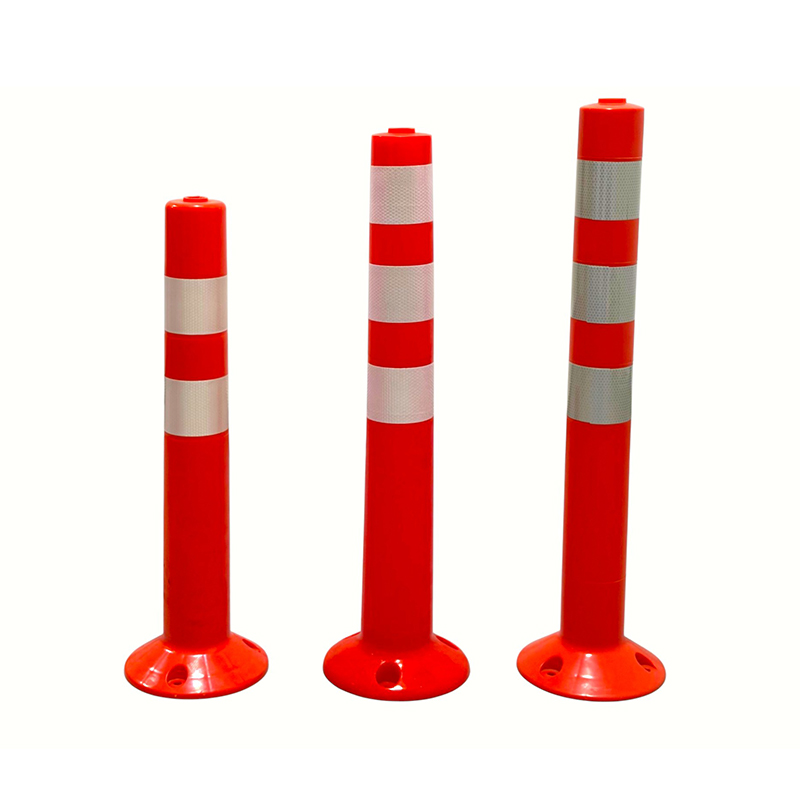
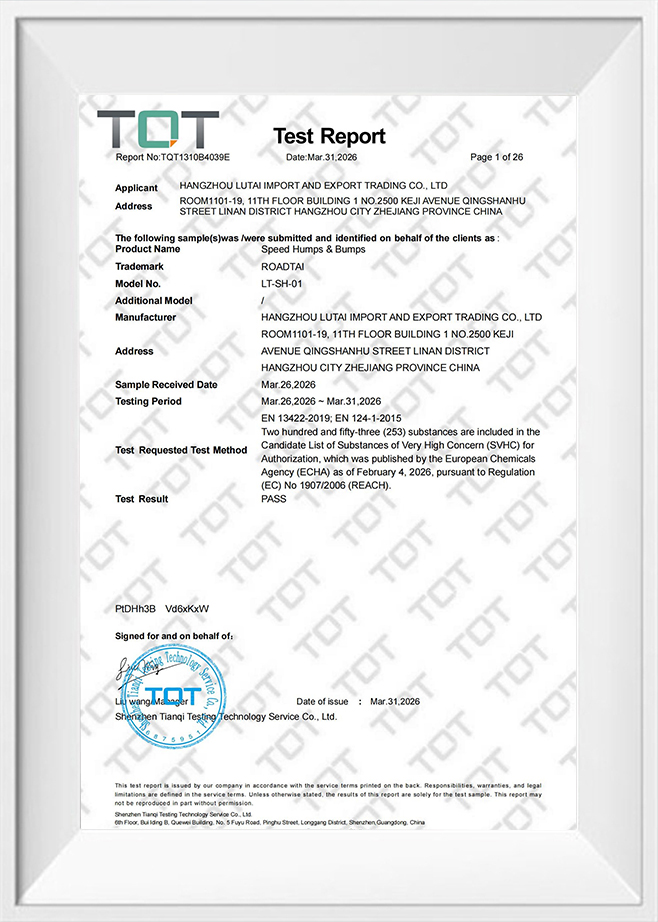
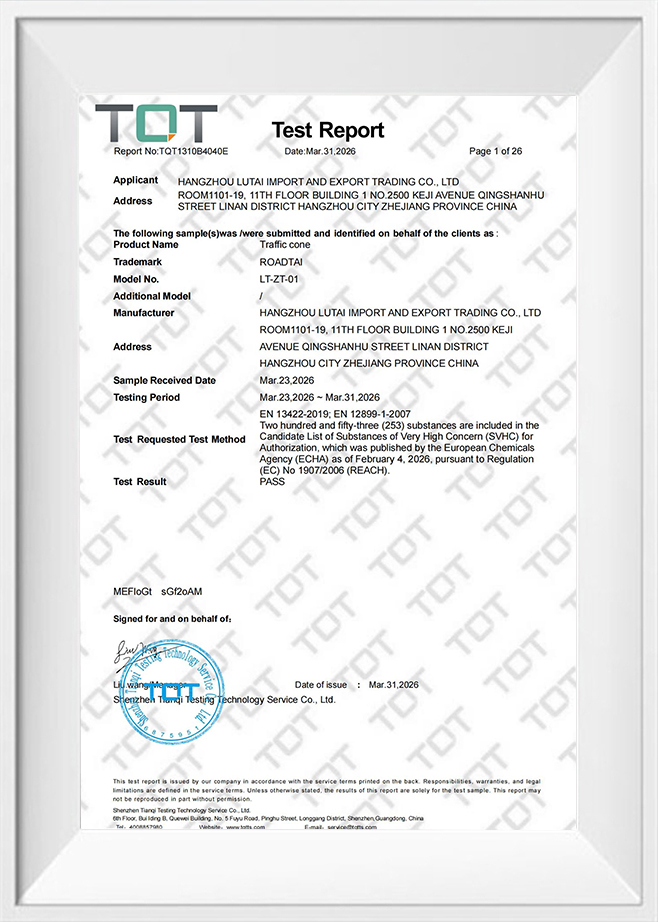
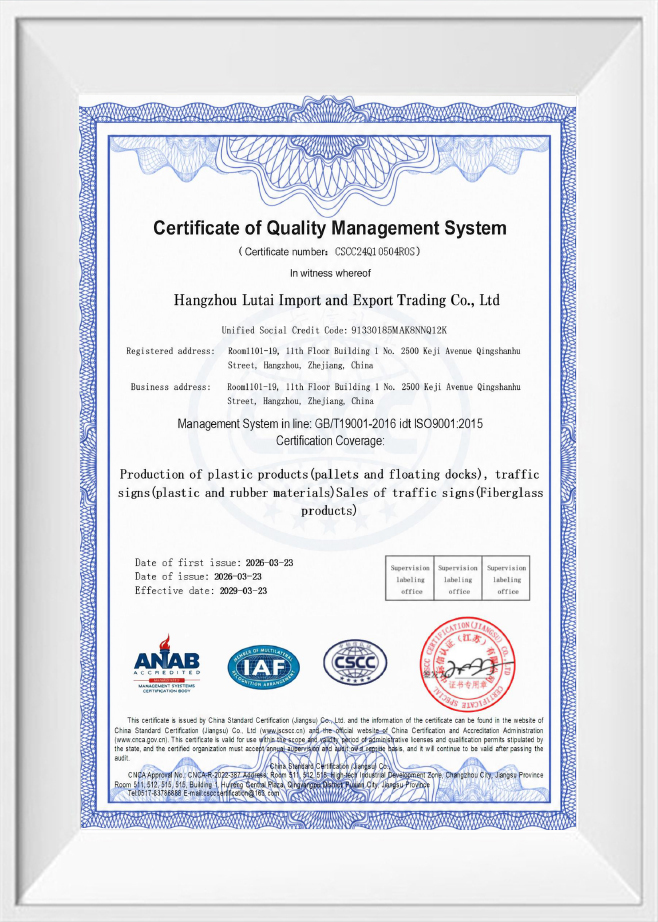
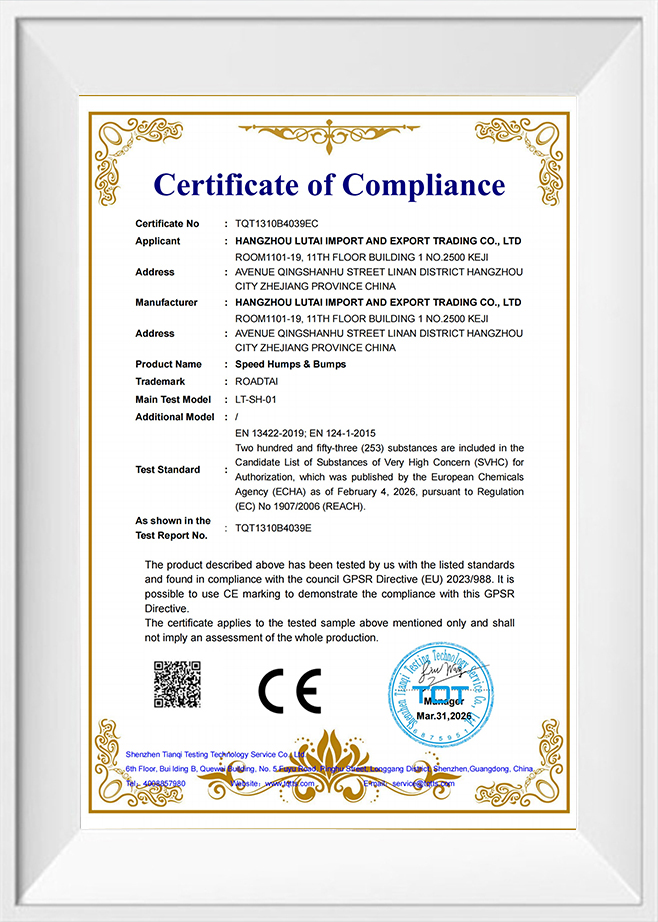
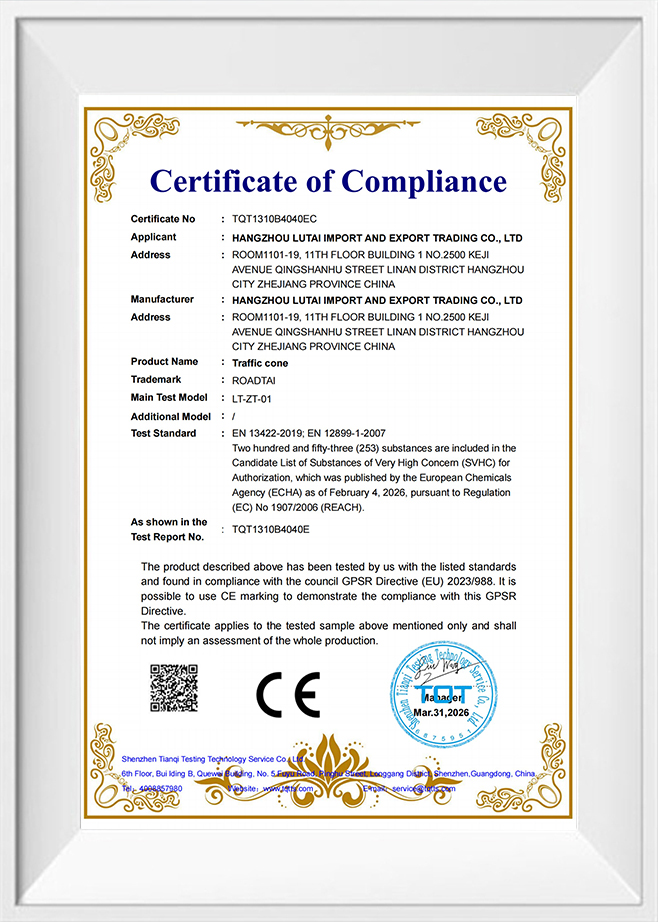
Modern infrastructure projects demand more than off-the-shelf products; they require tailored solutions that align with regional regulations, aesthetic preferences, and operational workflows. The omni-directional self-righting delineator post for high-impact zones and urban traffic guidance is available in various heights (e.g., 75cm/100cm) and a broad palette of colors—orange, yellow, white, and red—with support for custom corporate logo printing. This customization extends to reflective configurations: clients can choose between single-band, double-band, or full-sleeve designs based on speed limits and road geometry. Furthermore, the posts comply with ISO 9001 and CE international quality and safety standards, ensuring that they meet rigorous manufacturing and performance benchmarks. Hangzhou Lutai Import and Export Trading Co., Ltd. operates under the ISO 9001 Quality Management System and maintains CNAS-certified testing facilities, guaranteeing consistent product quality from batch to batch.
The company’s R&D strength is particularly noteworthy: they can develop products based on specific requirements or physical samples, from concept design to mass production. This capability is invaluable for large contractors who need custom colors to match corporate branding or special bolt-hole patterns for existing foundations. With multiple international patents secured and a stellar reputation for reliability, Hangzhou Lutai Import and Export Trading Co., Ltd. has successfully expanded its footprint into North America (USA, Canada), Europe (Italy, France, Spain), Asia-Pacific (Australia, Japan, South Korea), and the Middle East (UAE). Their commitment to "Competitive Pricing, Superior Quality, and Exceptional Service" ensures that clients receive not only a superior product but also comprehensive technical support and logistical efficiency.
Frequently Asked Questions
Q1: What is the difference between the PE and TPU versions of the self-righting delineator post?
The PE (polyethylene) version offers higher rigidity and is more cost-effective for standard urban applications with moderate impact frequencies. The TPU (thermoplastic polyurethane) version provides superior impact toughness and better performance in extreme cold or heat, making it ideal for high-impact zones or regions with harsh weather. Both versions retain the same omni-directional self-righting mechanism and reflective options.
Q2: How does the self-righting post compare to a fixed steel bollard for warehouse anti-impact protection?
Unlike a fixed steel bollard, which can damage forklifts and requires costly concrete anchoring, the self-righting delineator absorbs impact energy and returns upright, reducing vehicle damage and eliminating repair work. It is also lighter, easier to install, and can be relocated as needed, making it more versatile for dynamic warehouse layouts.
Q3: Can the reflective performance degrade over time, and how is it maintained?
The reflective sheeting is UV-stabilized and rated for 7 years of outdoor exposure. Routine cleaning with mild soap and water restores reflectivity. If the sleeve is damaged, it can be replaced independently without replacing the entire post, keeping long-term maintenance costs low.
Q4: Does Hangzhou Lutai Import and Export Trading Co., Ltd. offer custom colors and logos for large projects?
Yes. The company provides full OEM/ODM services, including custom RAL colors, corporate logo printing, and even tailored base designs. Their R&D team can match specific requirements, and their two manufacturing bases ensure efficient production and timely delivery for large-scale orders.



 Español