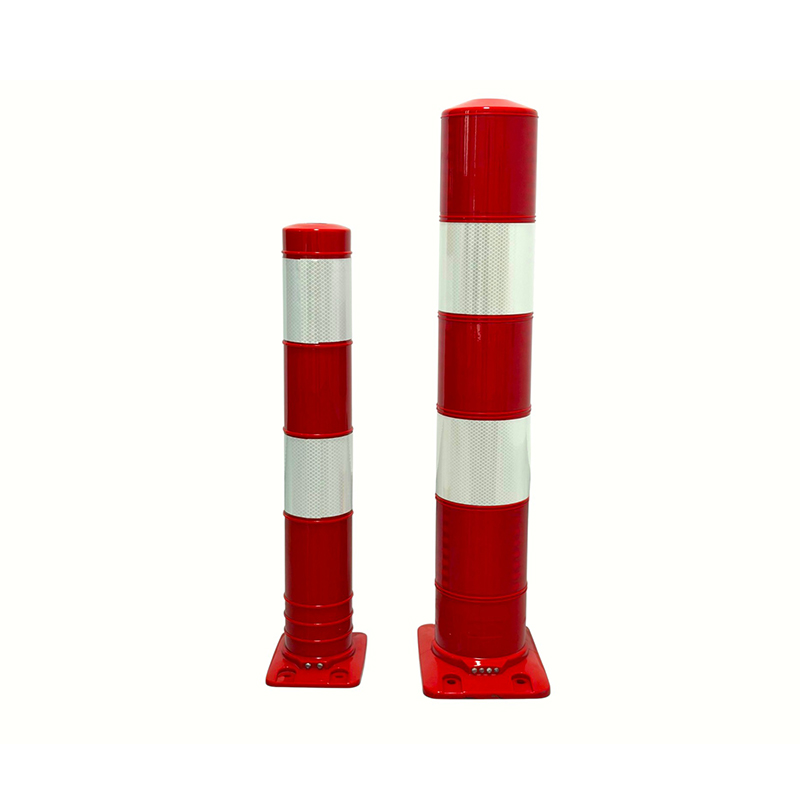
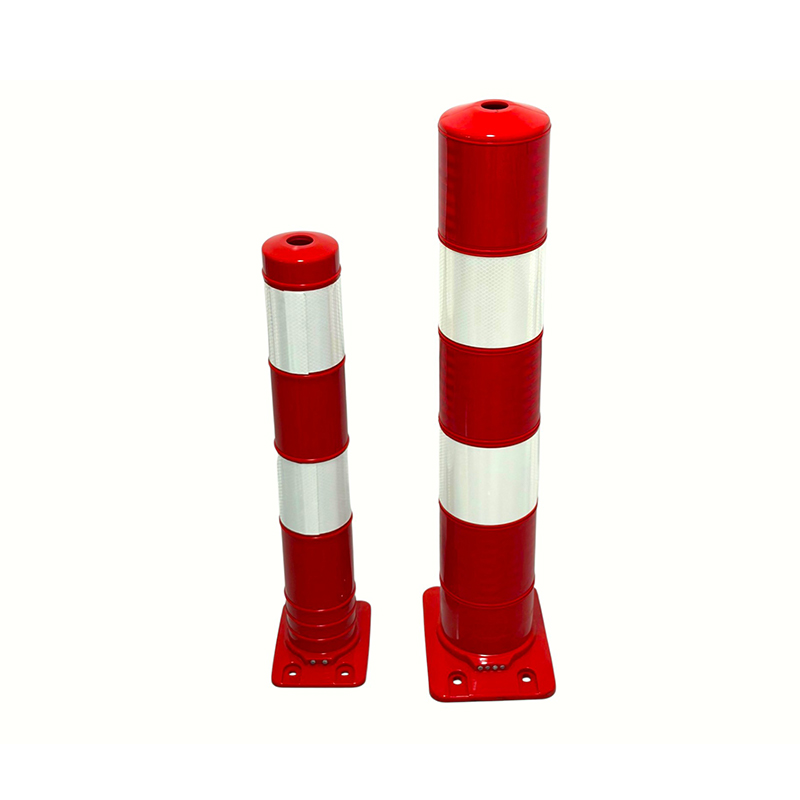
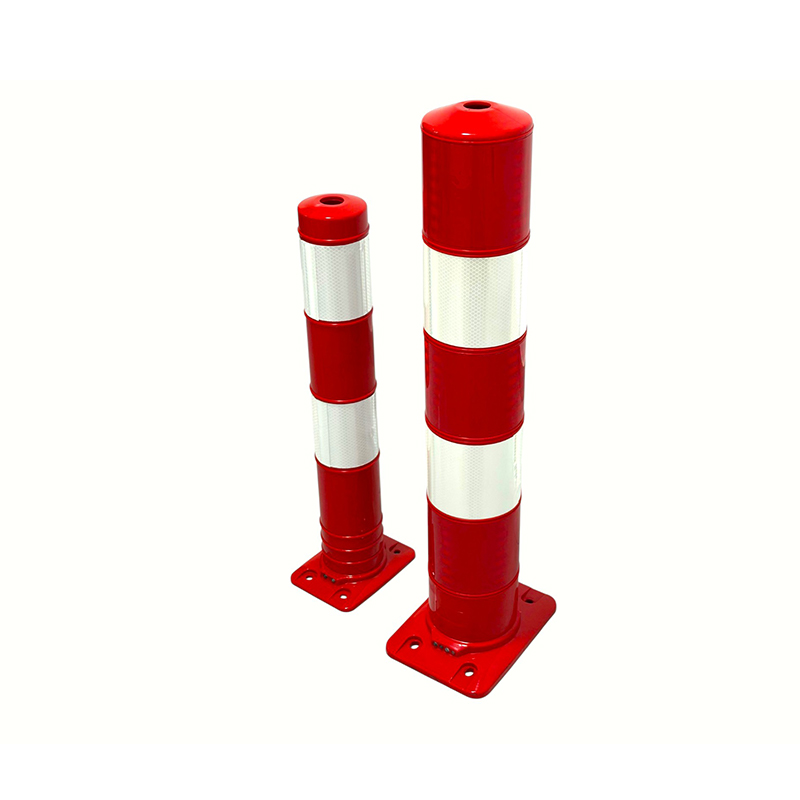
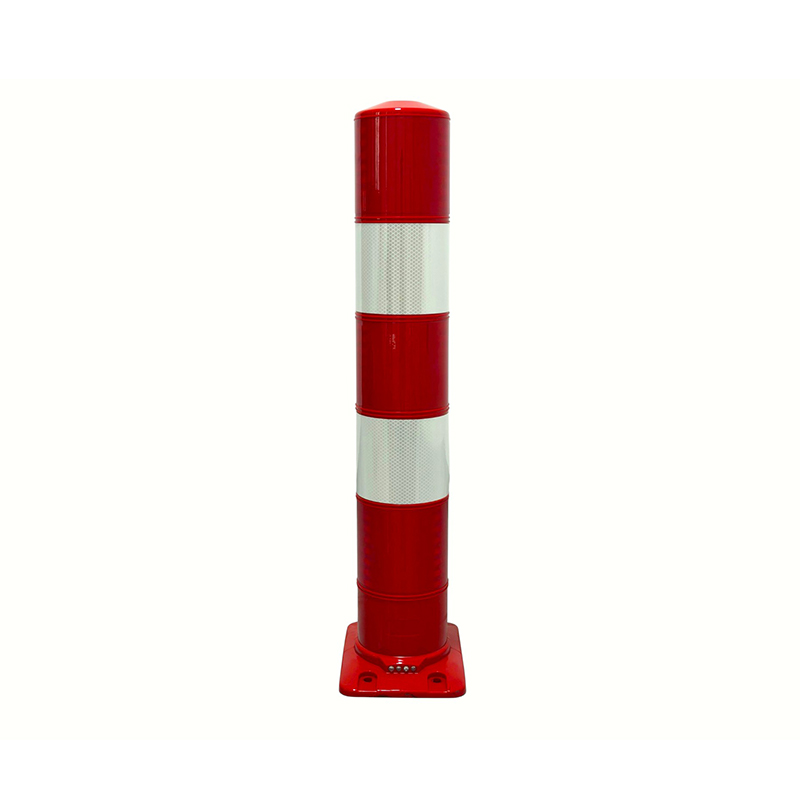
How does a flexible TPU bollard return to its original shape after being hit by a vehicle?
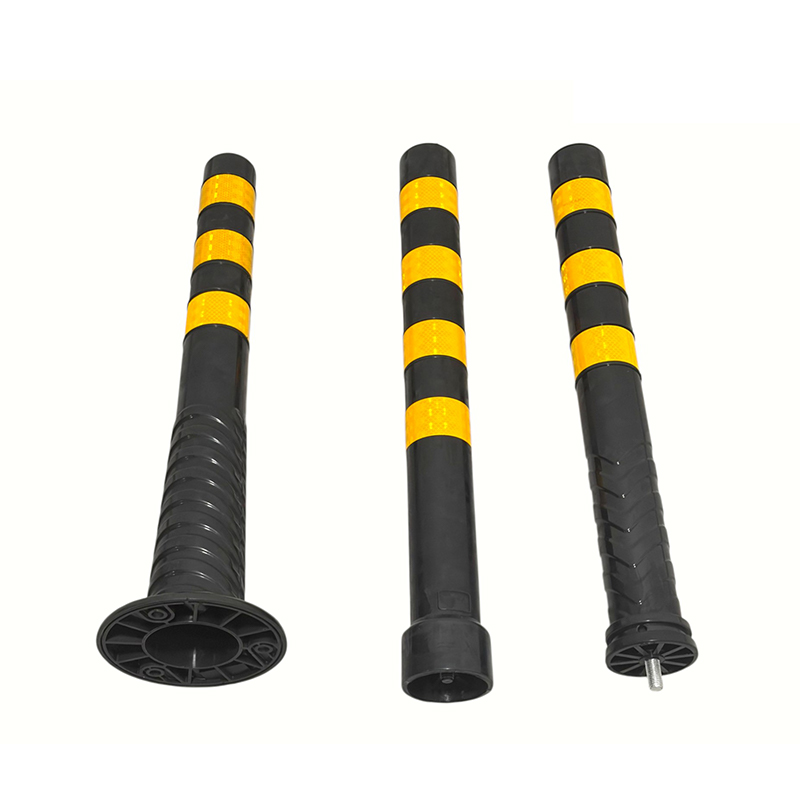
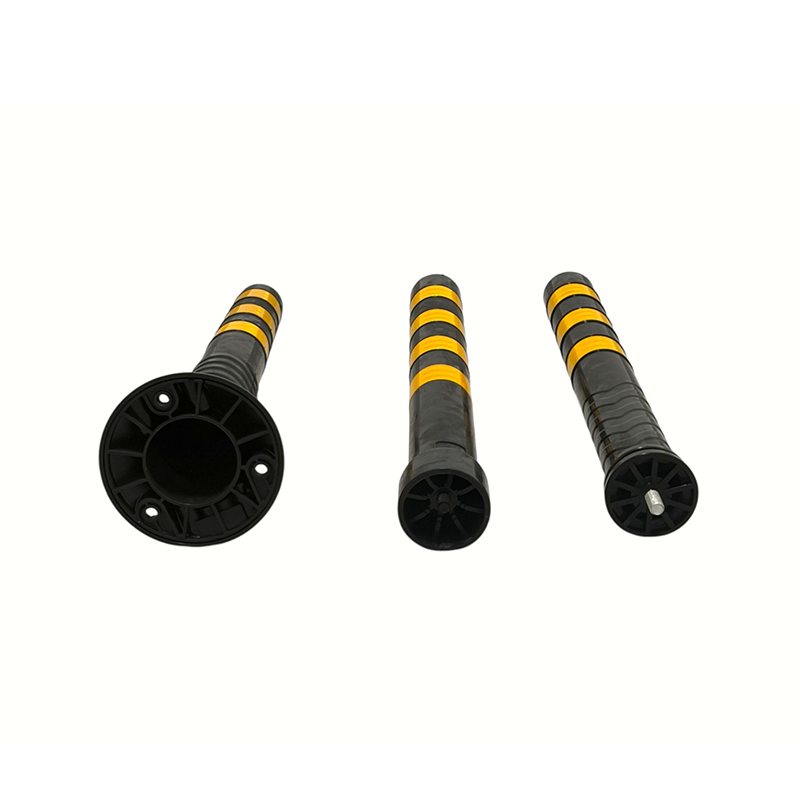
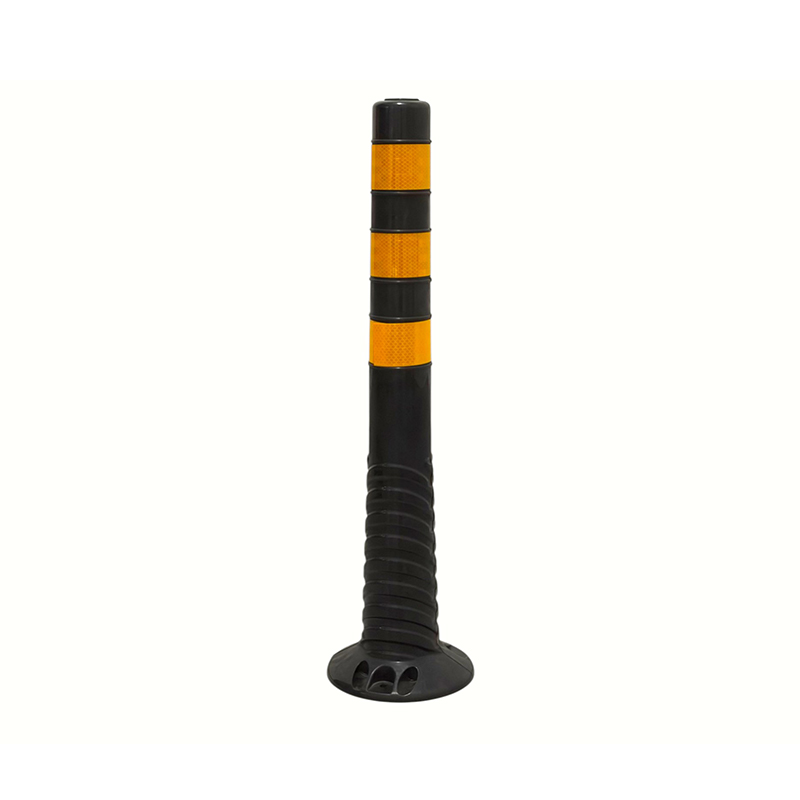
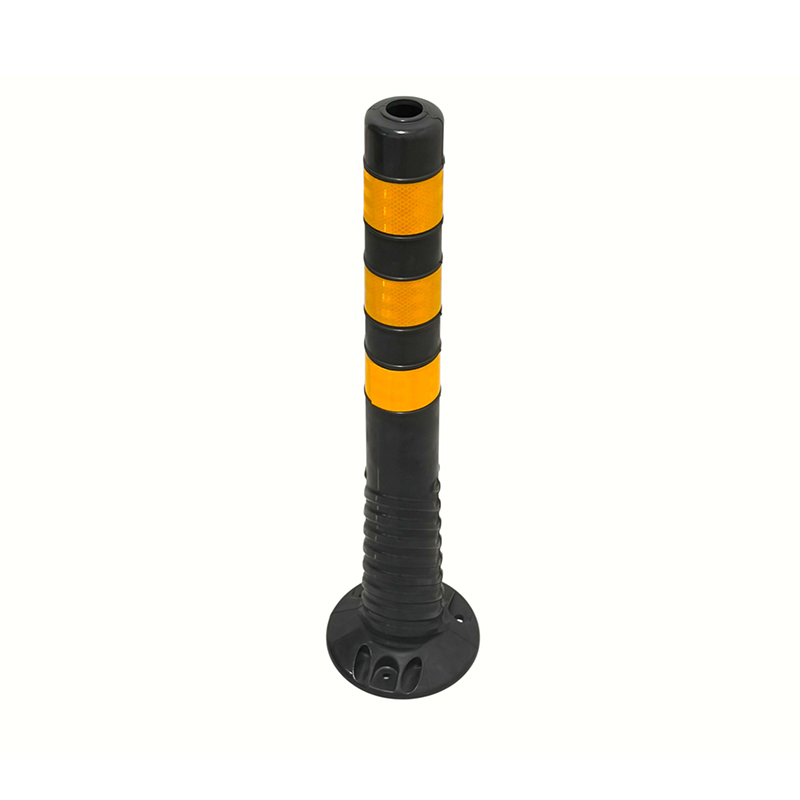
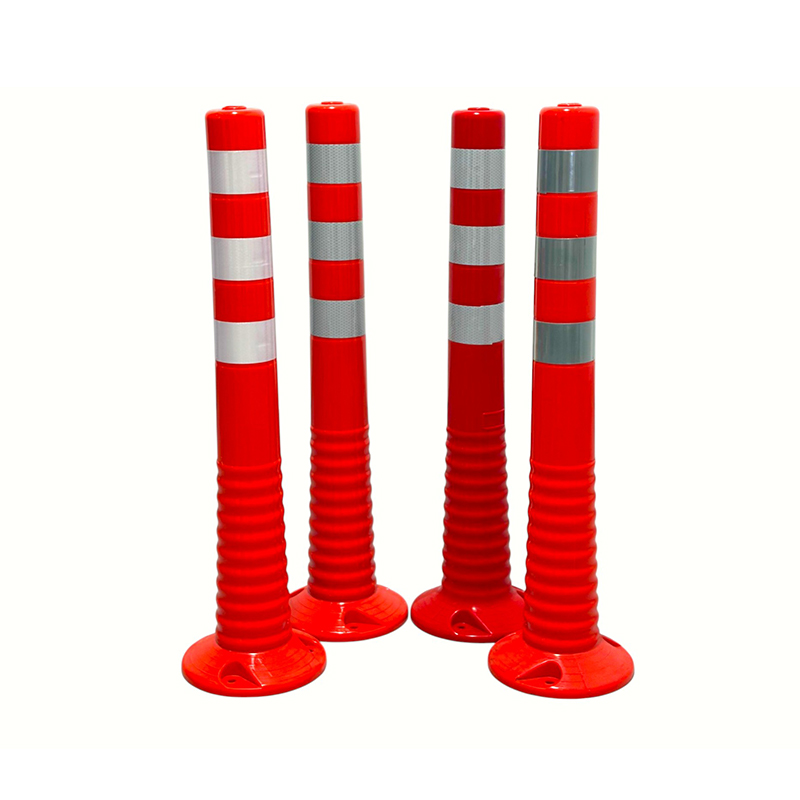
Road safety infrastructure must withstand daily wear and unexpected impacts. Among the most innovative solutions is the flexible TPU traffic warning bollard, often seen in high-contrast yellow and black warning bollard finishes, which combines durability with self-restoring elasticity. The core question—how does such a post rebound after a vehicle strike—lies in the material science of thermoplastic polyurethane (TPU) and its structural design. Unlike rigid steel or concrete posts, a flexible TPU traffic warning bollard absorbs kinetic energy through molecular chain realignment and geometric flexion, then releases that energy to return to its original upright position. This article examines the rebound mechanism, compares installation categories, and highlights how Hangzhou Lutai Import and Export Trading Co., Ltd. engineers these posts for global road safety.
The self-recovery ability of a yellow black warning bollard made from TPU originates from its high-elasticity compound. This polymer exhibits hyperelastic behavior: when a vehicle tire or bumper deforms the post, the material’s long-chain molecules stretch without breaking, storing mechanical energy as entropy-elastic strain. Once the load is removed, the chains recoil to their lowest-energy conformation, restoring the post’s shape. Unlike rubber, which can suffer compression set over time, TPU maintains its rebound consistency across a wide temperature range (−40°C to +80°C).
1. Elastic Material Mechanics: The TPU Advantage
The shape-recovery cycle is further enhanced by the bollard’s hollow or conical wall design, which reduces bending stiffness while enabling large angular deflection—up to 60 degrees—without plastic deformation. This means that a flexible TPU traffic warning bollard can survive thousands of impacts with minimal loss of verticality. Hangzhou Lutai’s manufacturing bases employ ISO 9001-controlled injection molding to ensure uniform wall thickness and material homogeneity, both critical for predictable rebound performance. The signature yellow and black warning bollard color scheme is not merely aesthetic; it is integrated into the TPU matrix to resist fading and maintain high visibility over years of UV exposure.
2. Installation Categories and Their Impact on Self-Recovery
The rebound behavior of a flexible TPU traffic warning bollard is not only material-dependent but also influenced by installation method. Hangzhou Lutai Import and Export Trading Co., Ltd. offers three primary configurations, each tailored to specific traffic environments. The following categories demonstrate how foundation rigidity and mounting height affect restoration efficiency.
2.1 Ground-Fixed Surface Mount Bollards
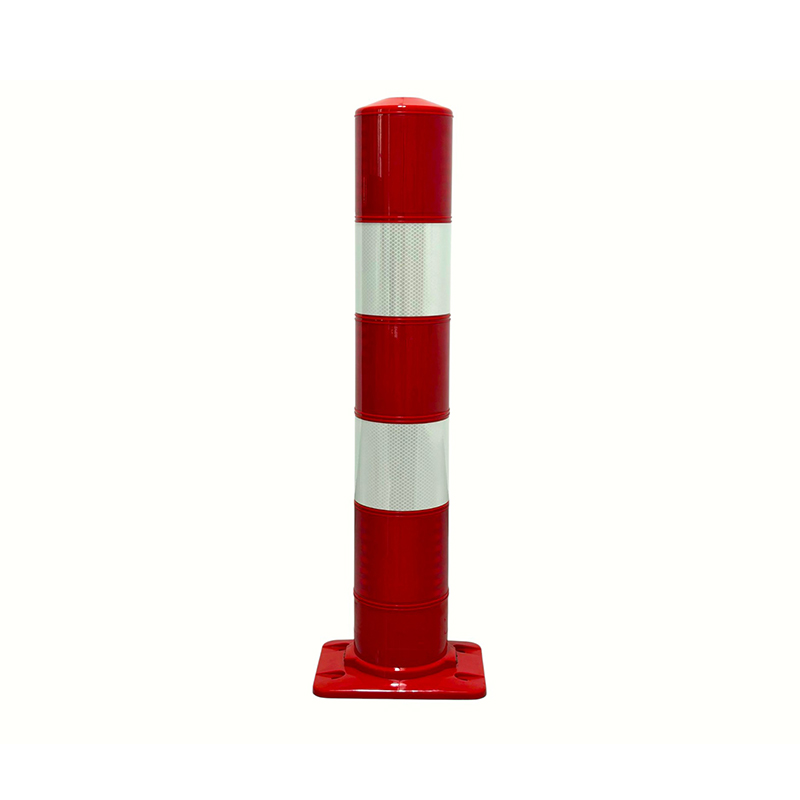
Surface-mounted bollards are bolted directly to asphalt or concrete using expansion anchors. This setup provides a stable base but transmits impact forces fully to the post body. The self-recovery relies almost entirely on TPU’s elastic modulus. Typical applications include parking lot entrances and warehouse loading bays. Because the base is rigid, the bollard’s flexible shaft absorbs all deflection; Hangzhou Lutai’s design includes a reinforced base flange to prevent anchor loosening after repeated strikes, ensuring consistent rebound over years of use. The yellow black warning bollard variant in this category often features extra-wide reflective bands for enhanced nighttime guidance.
2.2 Pre-Buried Sleeve Bollards
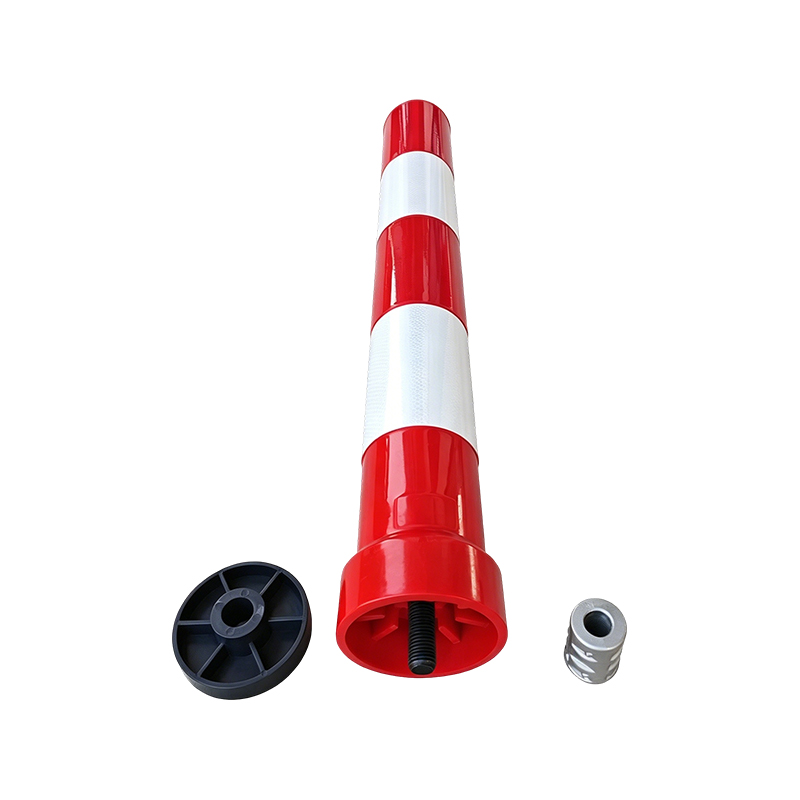
Pre-buried installations involve a ground sleeve that encases the lower portion of the bollard. The sleeve allows the post to tilt and rotate slightly, reducing bending stress at the ground line. This category improves self-recovery because the sleeve acts as a pivot, allowing the TPU shaft to distribute strain over a longer section. Such designs are common on narrow roads, cycle tracks, and airport aprons. The elastic recovery time is typically under 0.5 seconds for a 30° deflection, and the sleeve protects the anchor bolts from corrosion, extending service life. Hangzhou Lutai provides custom sleeve depths to accommodate varying soil conditions.
2.3 Portable Weighted Base Bollards
Portable bollards use a heavy rubber or steel base that sits on the surface without permanent fixing. While they offer flexibility in placement, their rebound characteristics differ: the base may slide slightly upon impact, dissipating extra energy and reducing peak bending. However, the TPU post still undergoes elastic deformation. These are ideal for temporary work zones, event traffic management, and seasonal road closures. The self-recovery rate is slightly slower due to base inertia, but the material still returns to vertical once the vehicle passes. The yellow and black warning bollard design in portable form is particularly popular for construction site delineation.
| Installation Type |
Deflection Capacity |
Recovery Time (typical) |
Best Application |
| Ground-Fixed Surface Mount |
Up to 45° |
< 0.3 sec |
Parking lots, warehouses |
| Pre-Buried Sleeve |
Up to 60° |
< 0.5 sec |
Narrow roads, cycle lanes |
| Portable Weighted Base |
Up to 30° |
< 1.0 sec |
Temporary work zones |
Across all categories, a flexible TPU traffic warning bollard maintains its shape-recovery property because the TPU compound is engineered for high tear strength and low hysteresis. Hangzhou Lutai Import and Export Trading Co., Ltd. tests each batch for rebound resilience using a pendulum impact tester, ensuring that even after 10,000 cycles, the bollard’s final height deviation is less than 2°.
- Key recovery features: High elastic strain (up to 400% elongation), low compression set, and UV-stabilized additives that prevent surface cracking.
- Design factors: Conical taper reduces stress concentration; internal ribs add structural integrity without sacrificing flexibility.
- Maintenance: Regular cleaning of reflective sleeves ensures visibility, while the TPU body requires no lubrication or mechanical reset.
3. Nighttime Reflection and Impact Visibility
While self-recovery is the primary functional trait, the yellow black warning bollard also incorporates retroreflective sheeting or embedded glass beads on its surface. This serves a dual purpose: during daytime, the high-contrast yellow and black pattern provides exceptional conspicuity; at night, reflected headlight beams alert drivers from over 150 meters away. Importantly, the reflective layer is bonded with a flexible adhesive that moves with the TPU during deflection, preventing delamination after repeated impacts. Hangzhou Lutai offers OEM customization of reflective patterns (e.g., vertical stripes or chevrons) to meet local regulatory standards such as CE or CNAS.
4. Comparative Advantages Over Rigid Barriers
When compared to steel or concrete fixed posts, a flexible TPU traffic warning bollard reduces vehicle damage and occupant injury risk because it does not abruptly stop the vehicle; instead, it progressively decelerates the impact. This energy-absorbing quality also protects the bollard itself—no permanent bending means no replacement after minor collisions. For facility managers, this translates to lower lifecycle costs. Hangzhou Lutai Import and Export Trading Co., Ltd. emphasizes this benefit in their technical brochures, citing independent lab tests showing that TPU bollards last 5–8 years in high-traffic urban intersections, compared to 2–3 years for rubber alternatives. The yellow black warning bollard aesthetic also improves driver compliance in school zones and pedestrian crossings.
- Step 1: Assess traffic speed and impact frequency to choose between surface-mount, pre-buried, or portable types.
- Step 2: Select reflective grade and color (custom Pantone available) for maximum conspicuity.
- Step 3: Coordinate with Hangzhou Lutai’s engineering team for anchor torque specs and ground preparation.
- Step 4: Conduct post-installation deflection tests to verify recovery within factory tolerances.
The company’s two manufacturing plants in Taizhou and Henan enable rapid prototyping of custom sizes (e.g., 750 mm or 1000 mm heights) without compromising the elastic memory of the TPU. Their R&D team also develops hybrid designs that integrate a steel core for added shear resistance while retaining the outer TPU layer for self-restoration—an option popular in high-speed highway ramps.
5. Functional Roles Beyond Shape Recovery
While rebound is the signature feature, these bollards perform three core traffic functions: warning, isolation, and passive protection. The high-visibility yellow and black combination with reflective stripes serves as a traffic warning device, signaling lane merges, pedestrian crossings, or hazardous shoulders. As road isolation and guidance elements, they delineate cycle paths from motor lanes, or channel vehicles through toll plazas. As protection facilities, they reduce crash severity—the TPU flex absorbs up to 70% of impact energy, safeguarding curbs, signposts, and light poles behind them.
Hangzhou Lutai Import and Export Trading Co., Ltd. supplies these bollards to North American municipalities, European construction firms, and Middle Eastern infrastructure developers. Their commitment to “Competing through Quality, Growing through Mutual Benefit” is evident in every flexible TPU traffic warning bollard shipped—each unit undergoes a 100% visual and dimensional inspection, with random samples tested for rebound resilience at −20°C to simulate cold-climate conditions.
Frequently Asked Questions
Q1: What makes TPU more resilient than PVC or rubber for traffic bollards?
TPU has higher tensile strength and abrasion resistance than PVC, and it exhibits lower compression set than natural rubber. This means a flexible TPU traffic warning bollard returns to true vertical even after heavy truck tires run over it, whereas rubber may remain bent or develop surface tears. Additionally, TPU maintains flexibility in sub-zero temperatures, while PVC becomes brittle.
Q2: How does the installation method affect the bollard’s self-recovery speed?
Pre-buried sleeve installations allow the post to pivot, reducing bending strain and enabling faster recovery (0.3–0.5 s). Surface-mounted bases transmit full bending to the TPU, slightly extending recovery time but still under 0.5 s. Portable bases have the slowest recovery because the base may slide, but they are designed for temporary use where speed is less critical.
Q3: Can Hangzhou Lutai customize the yellow and black pattern or reflective materials?
Yes, Hangzhou Lutai Import and Export Trading Co., Ltd. offers full OEM/ODM services, including custom Pantone colors, logo printing, and reflective chevron or band patterns. Their R&D team works with samples to develop molds and surface treatments that do not interfere with the TPU’s elastic recovery properties. The yellow black warning bollard can be adapted with different stripe widths to meet local visibility regulations.
Q4: Are these bollards suitable for extreme weather conditions like heavy rain or desert heat?
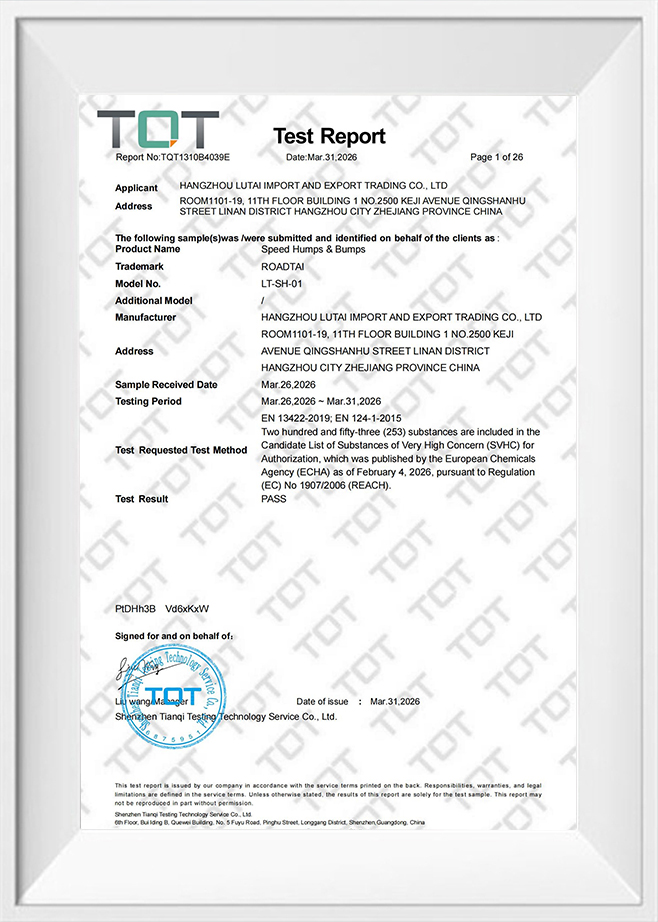
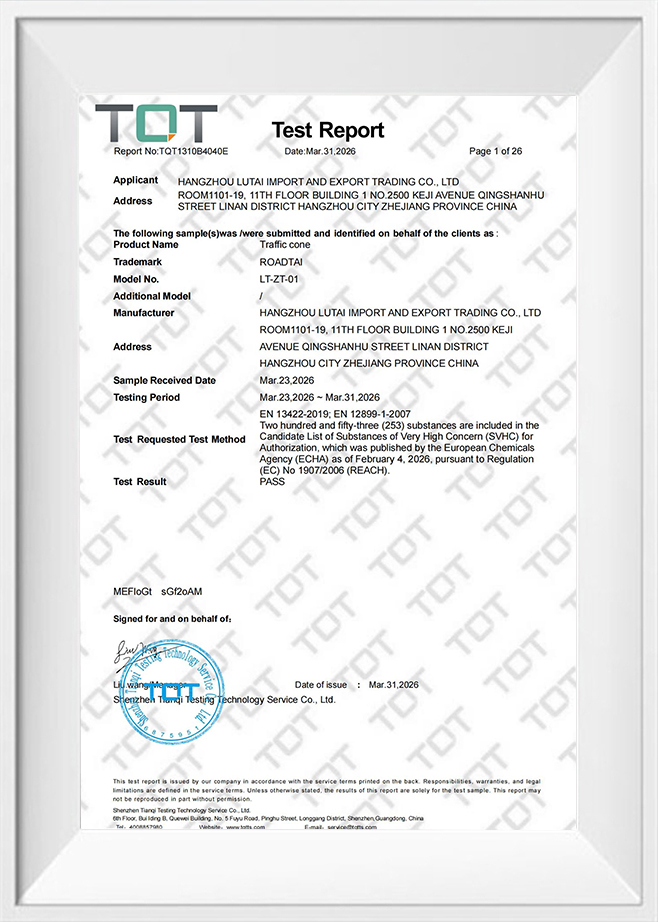
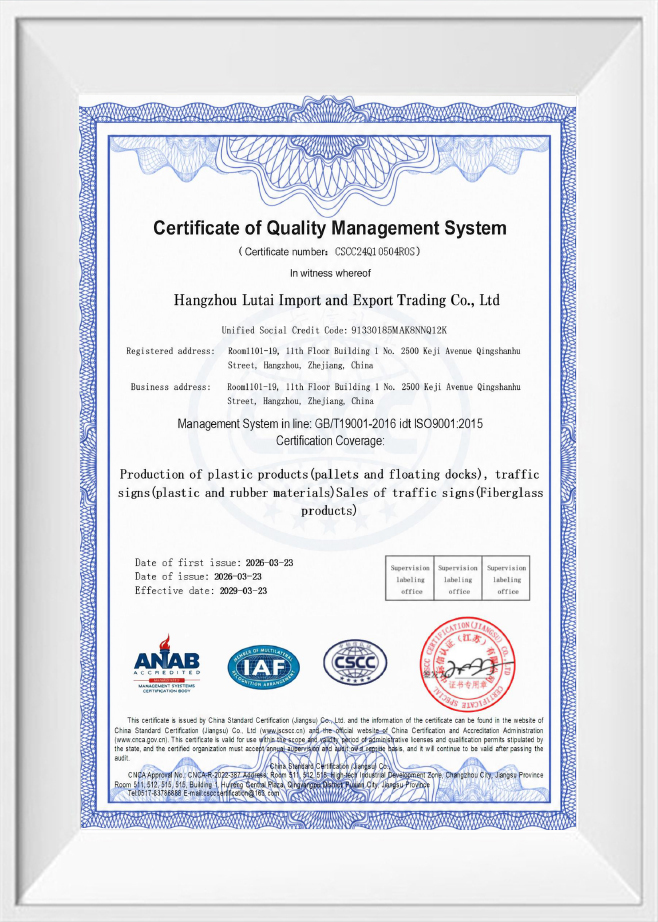
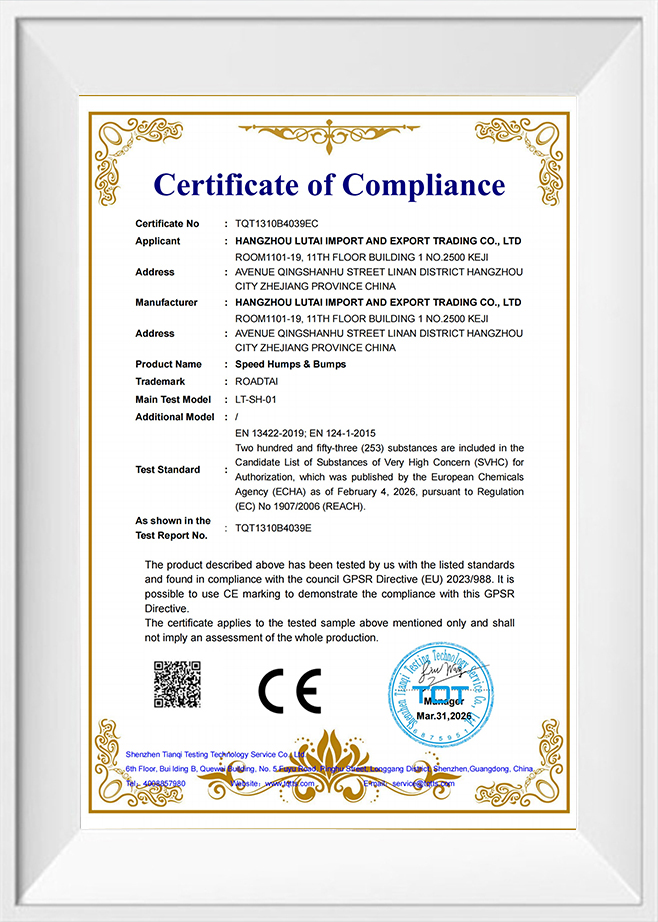
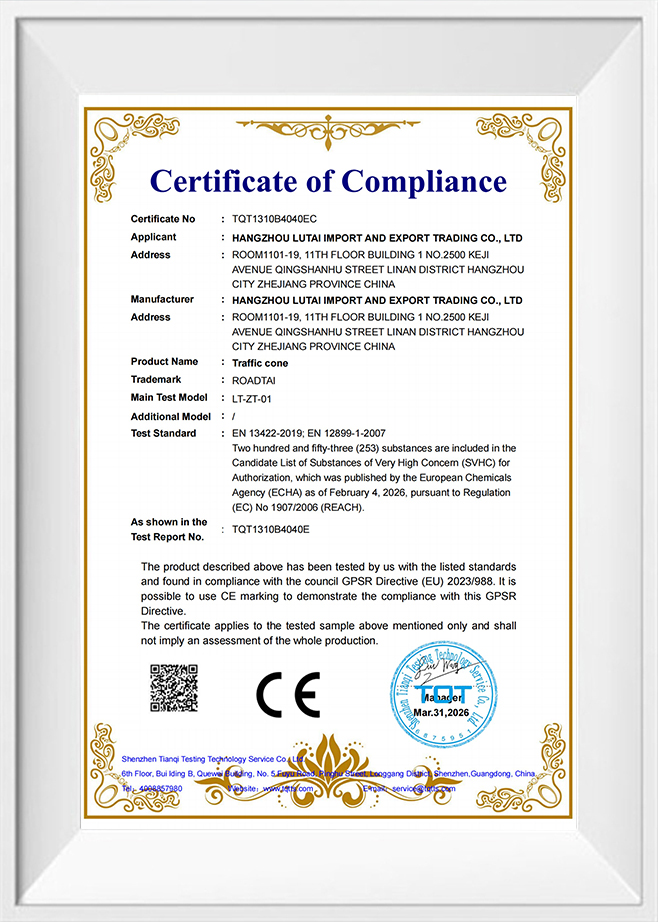
Absolutely. The TPU compound includes UV stabilizers and hydrolysis-resistant additives, allowing operation from −40°C to +80°C. Hangzhou Lutai’s products are CE and CNAS certified, and they have supplied thousands of units to UAE and Saudi Arabia projects where summer pavement temperatures exceed 70°C without loss of rebound performance.
In summary, the self-restoring action of a flexible TPU traffic warning bollard is a marriage of advanced polymer science and thoughtful mechanical design. Whether ground-fixed, pre-buried, or portable, each configuration leverages TPU’s hyperelasticity to deliver durable, low-maintenance traffic guidance. With global expertise from Hangzhou Lutai Import and Export Trading Co., Ltd., these bollards continue to set the standard for cost-effective, vehicle-friendly road safety.



 Español