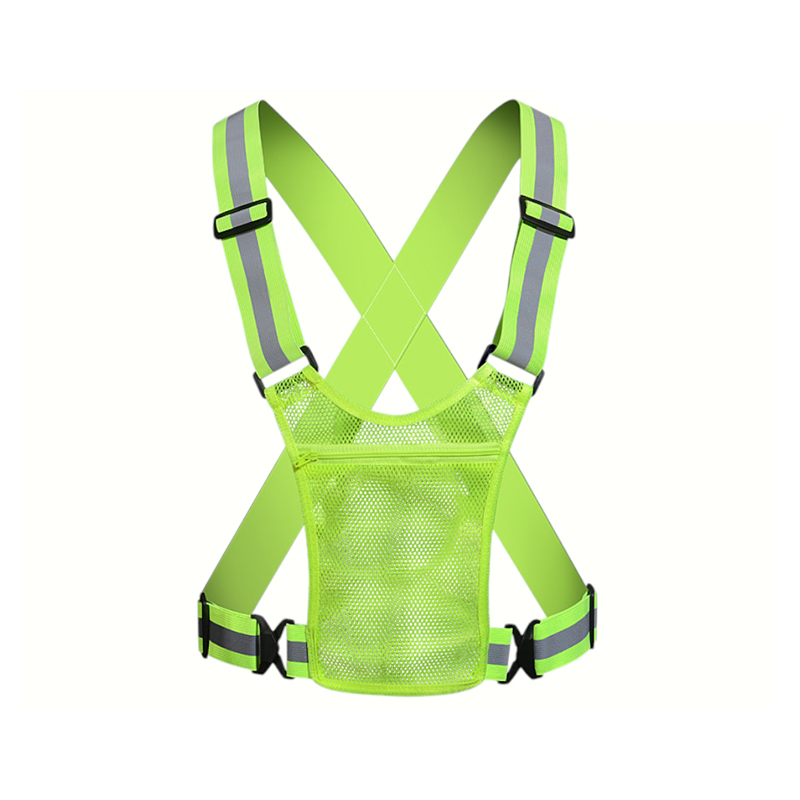
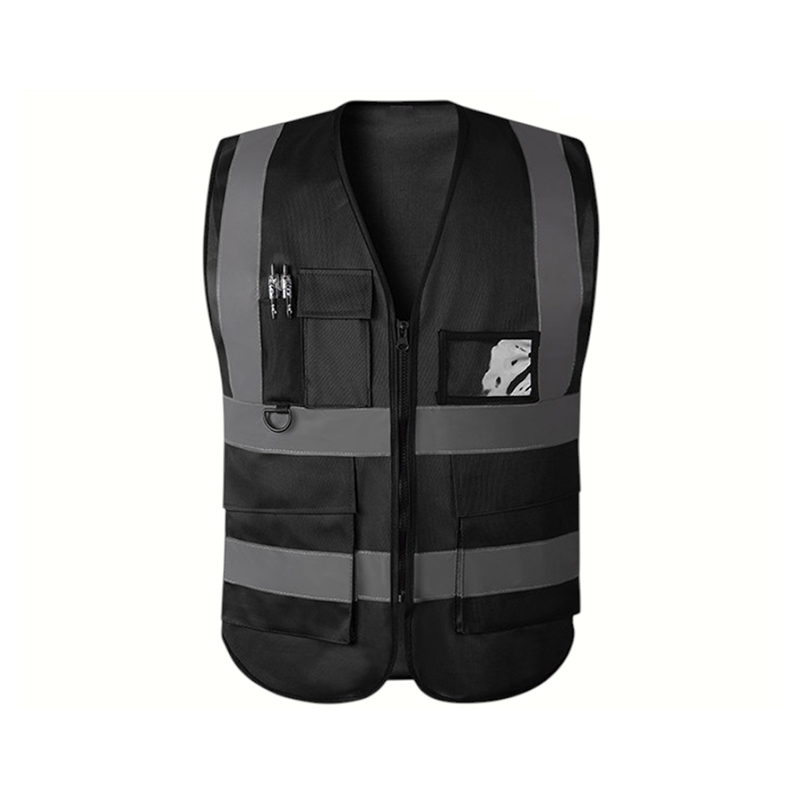
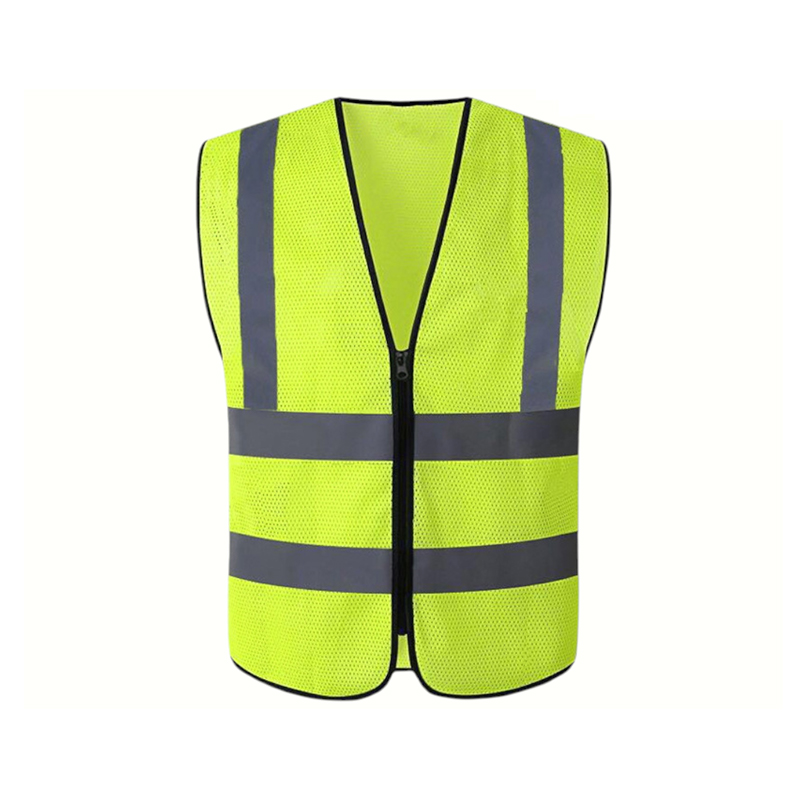
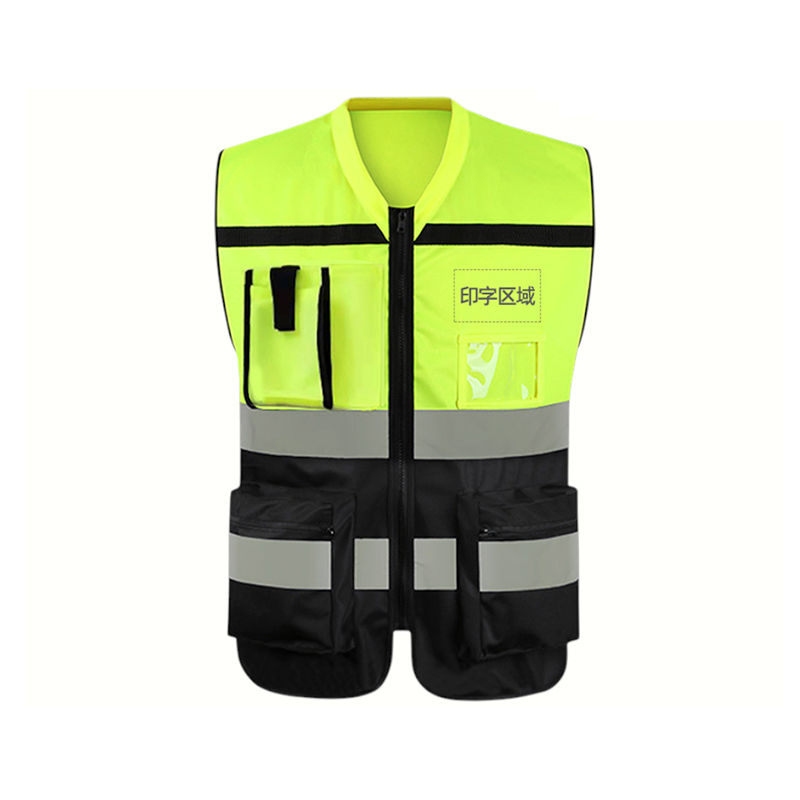
What is the difference between mesh and solid fabric safety vests?
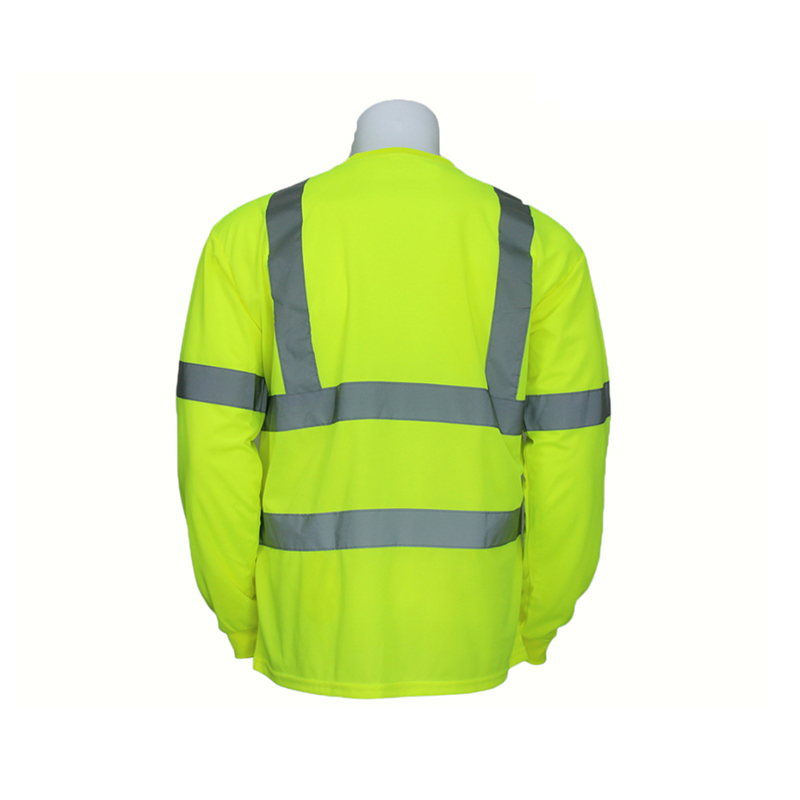
When selecting a high-visibility garment for industrial or construction environments, one of the most frequent choices is between mesh and solid fabric constructions. Both options can meet the stringent requirements of the ansi certified high-visibility breathable lightweight multi-functional safety vest, but they serve distinctly different operational needs. This article provides a detailed, technical comparison of these two fabric types, covering thermal regulation, durability, visibility performance, and application-specific recommendations. We will also examine how leading reflective safety vest manufacturers and reflective vest factory solutions address these differences through material engineering and design innovation.
1. Mesh Fabric Safety Vests: Maximum Airflow and Thermal Comfort
Definition and Positioning
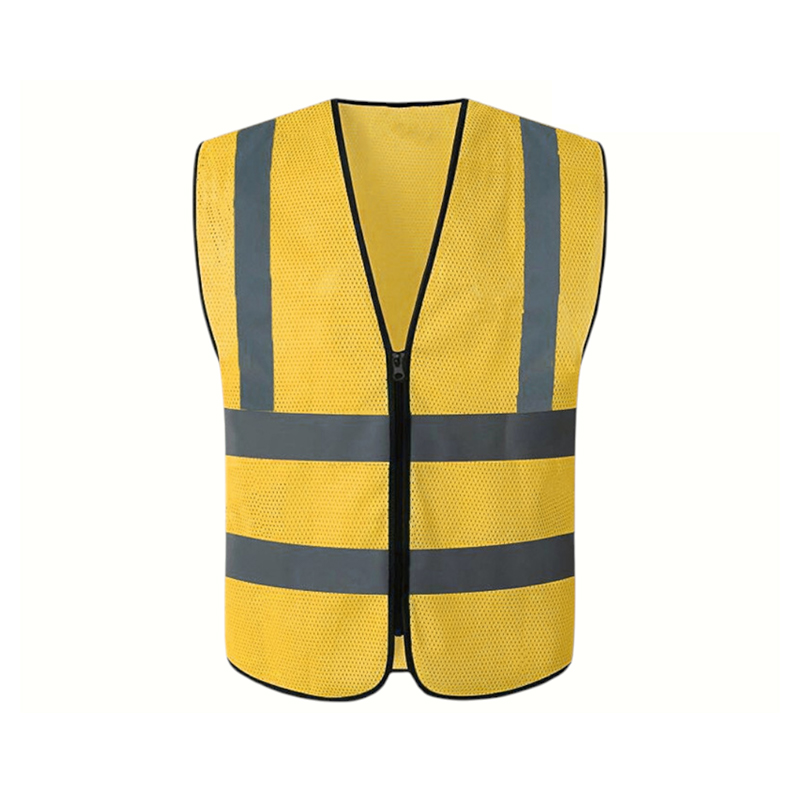
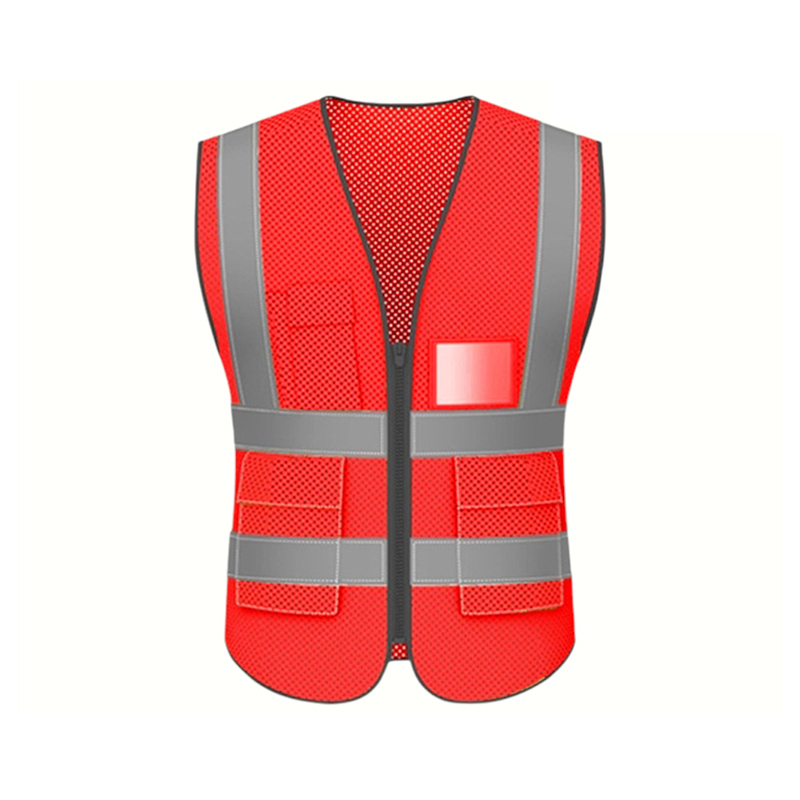
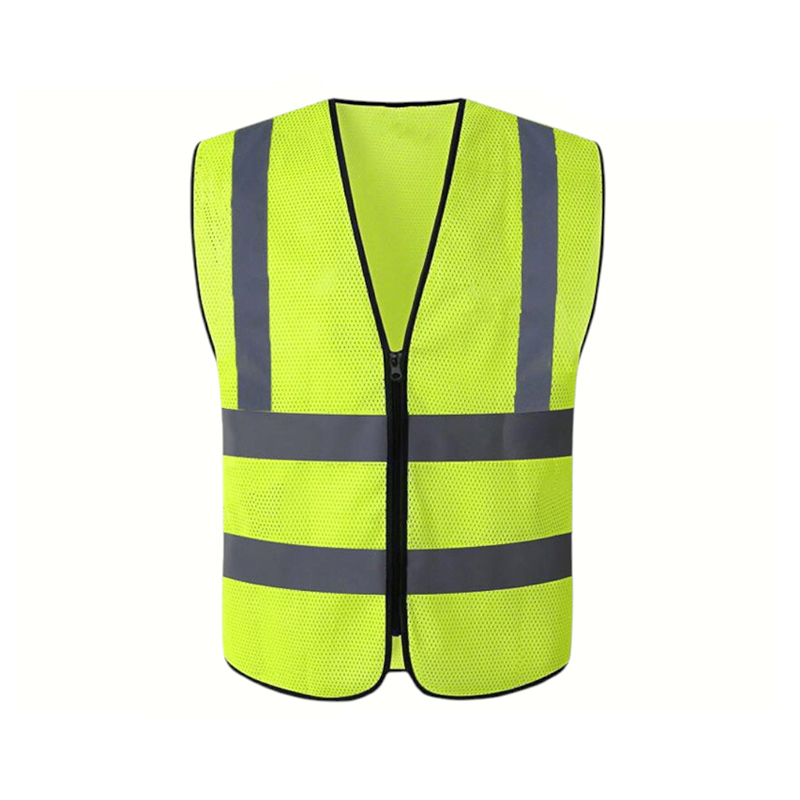
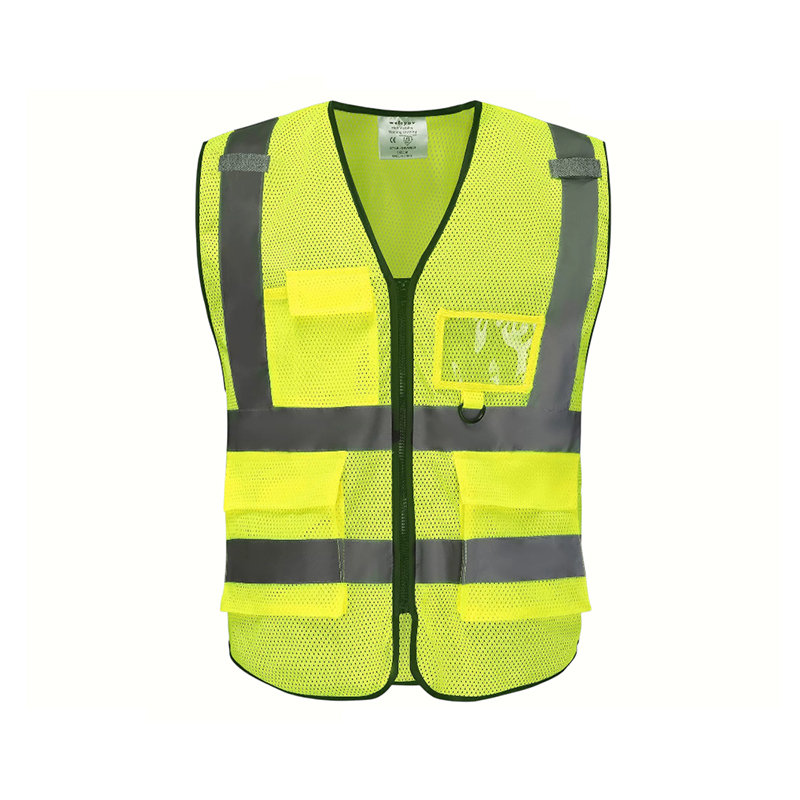
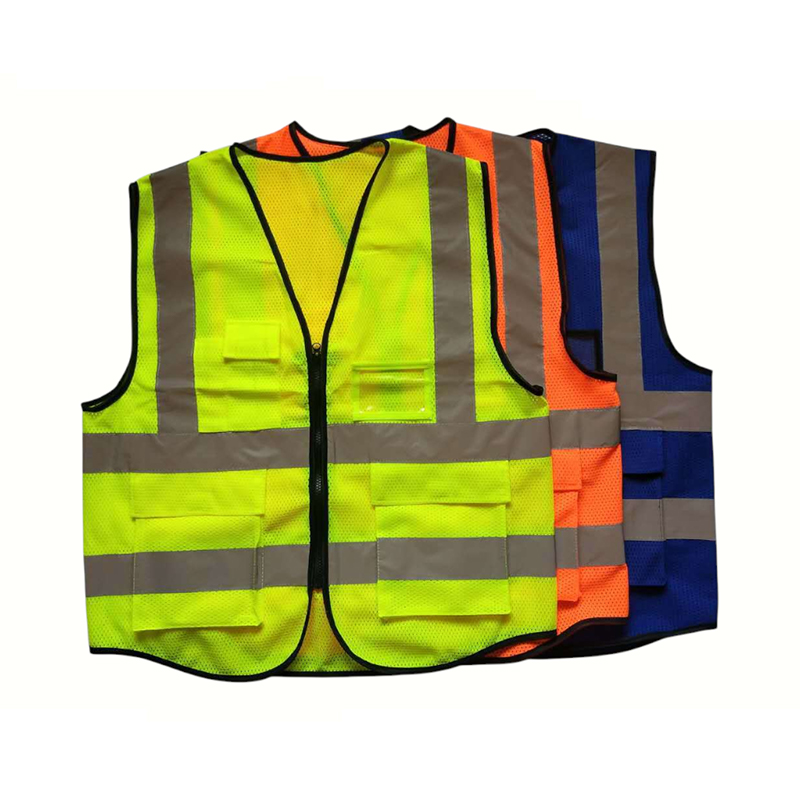
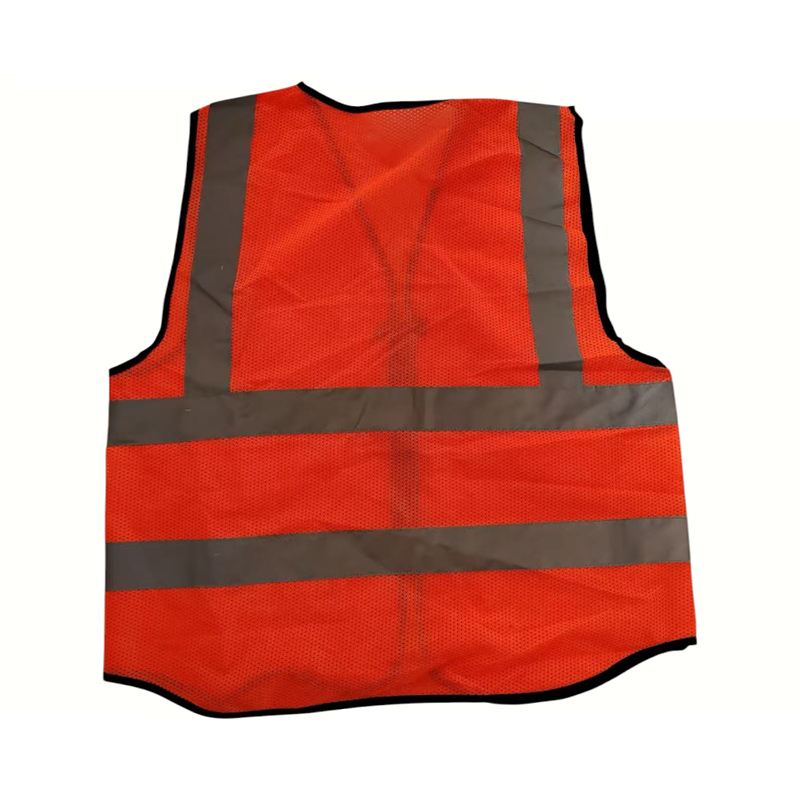
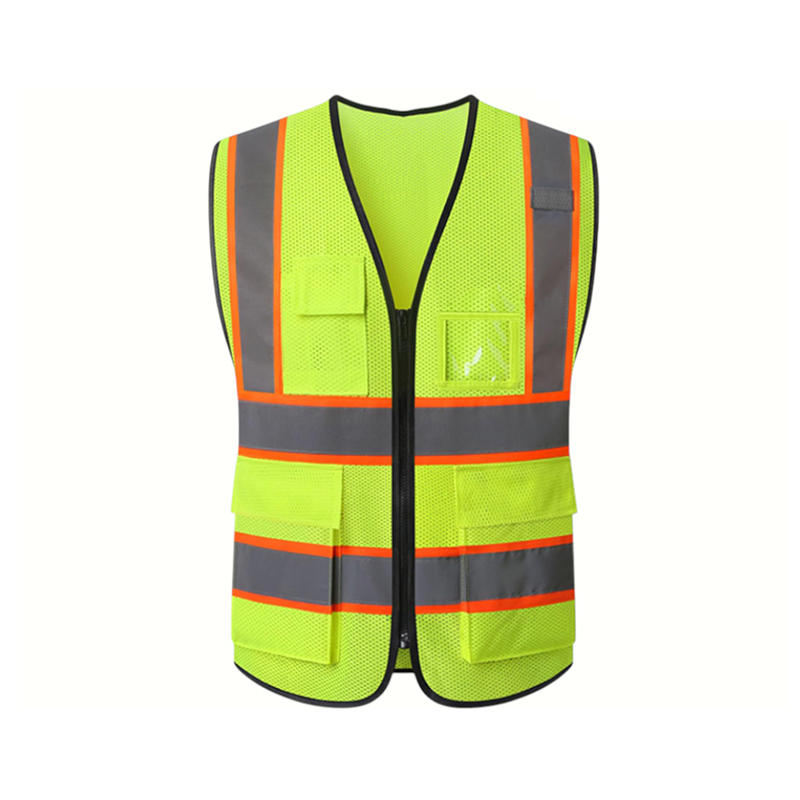
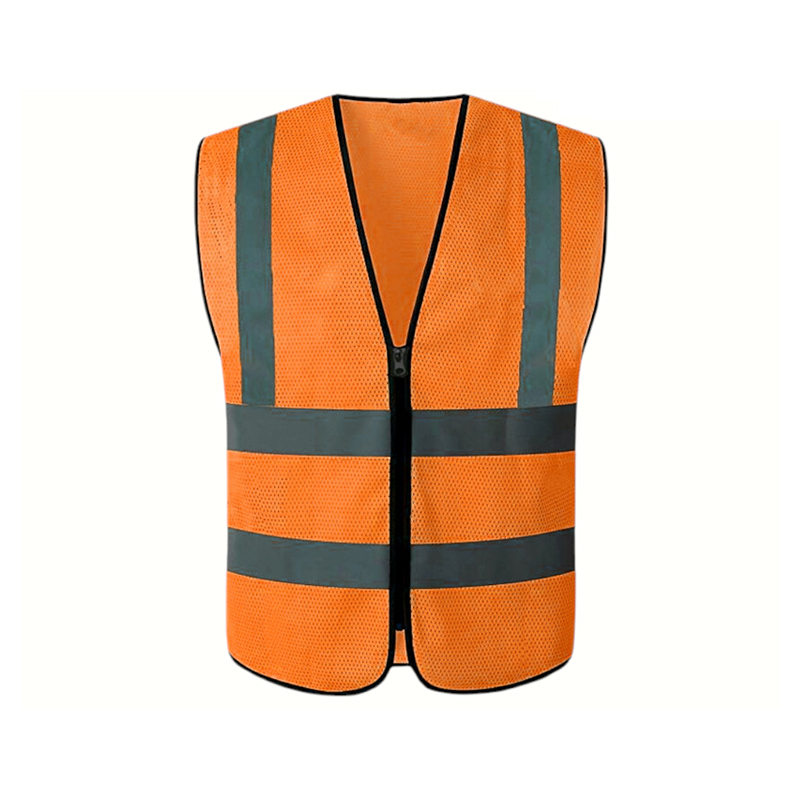
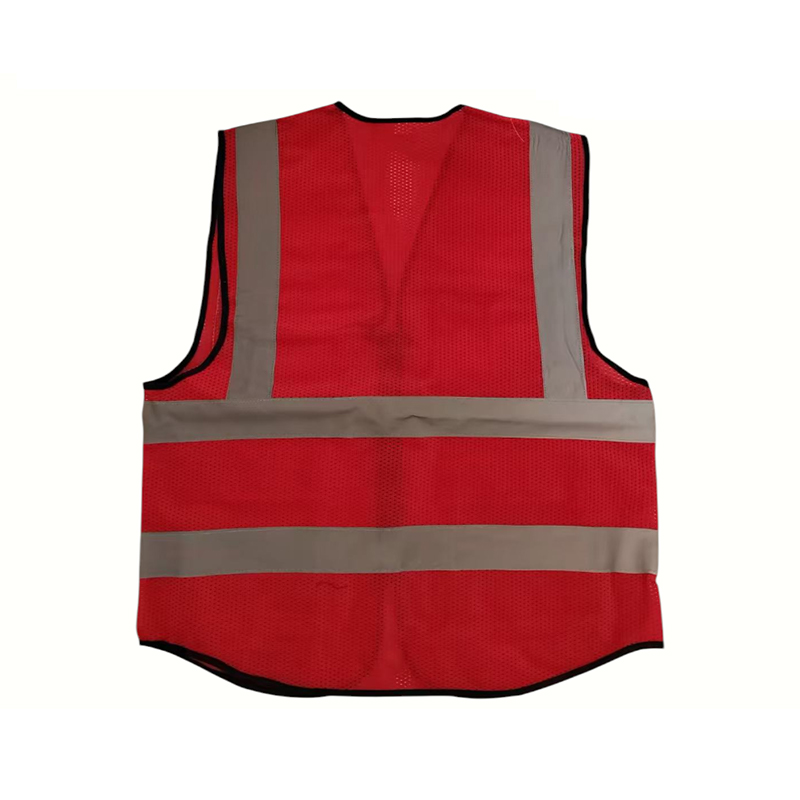
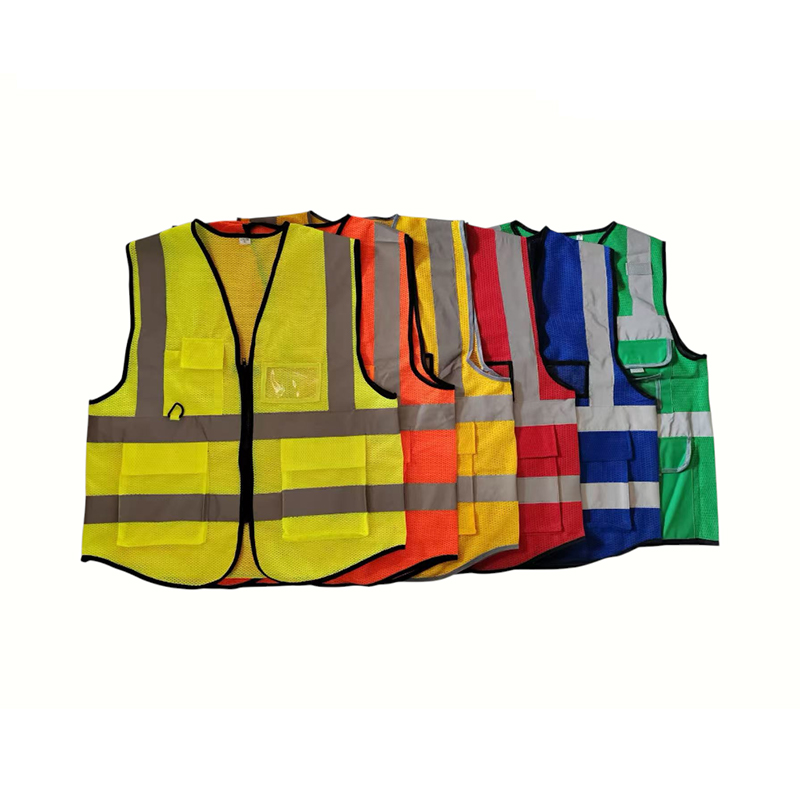
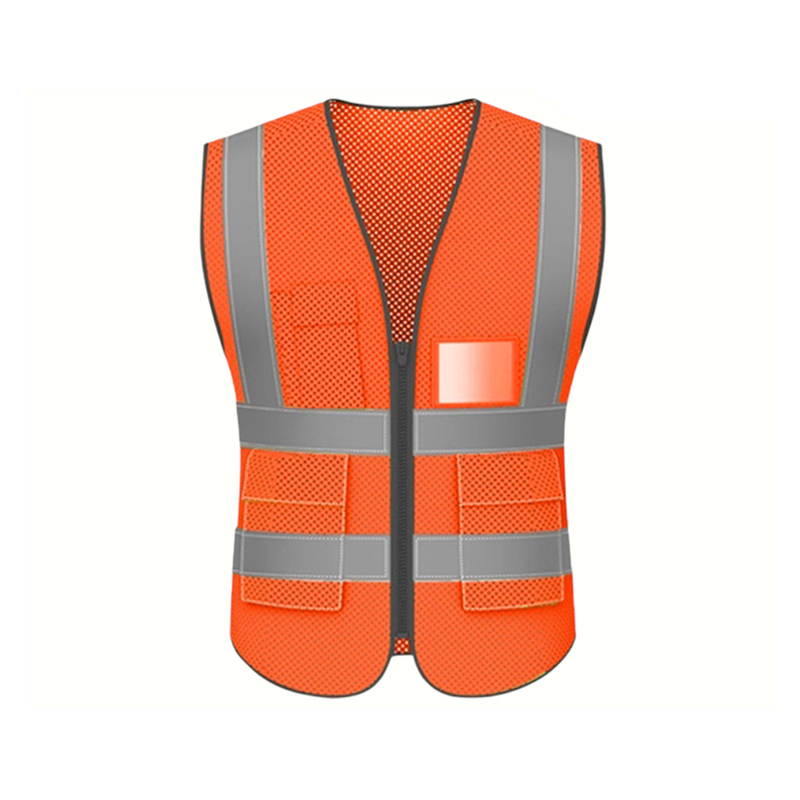
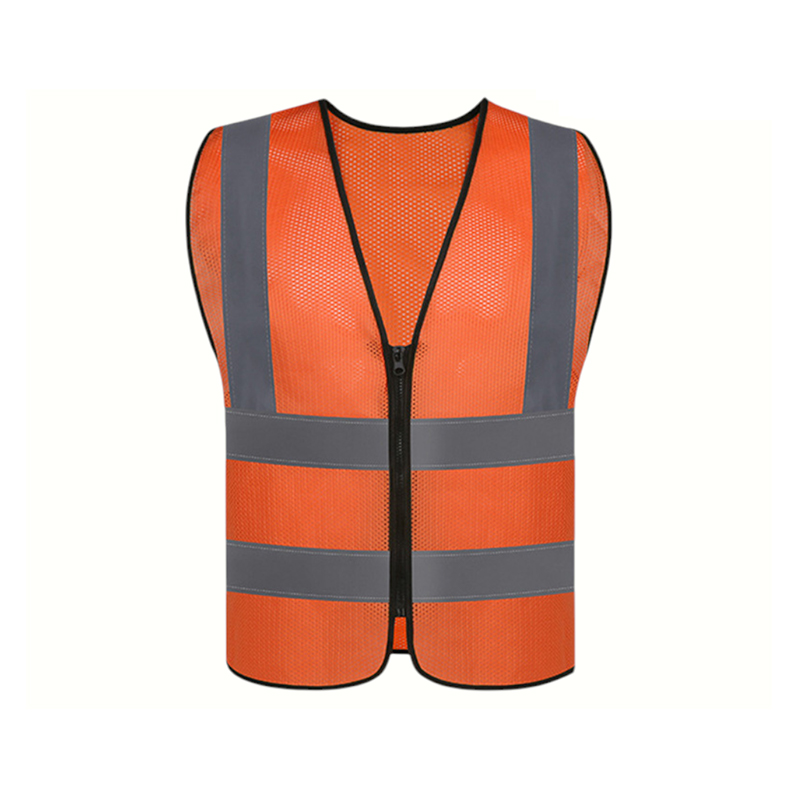
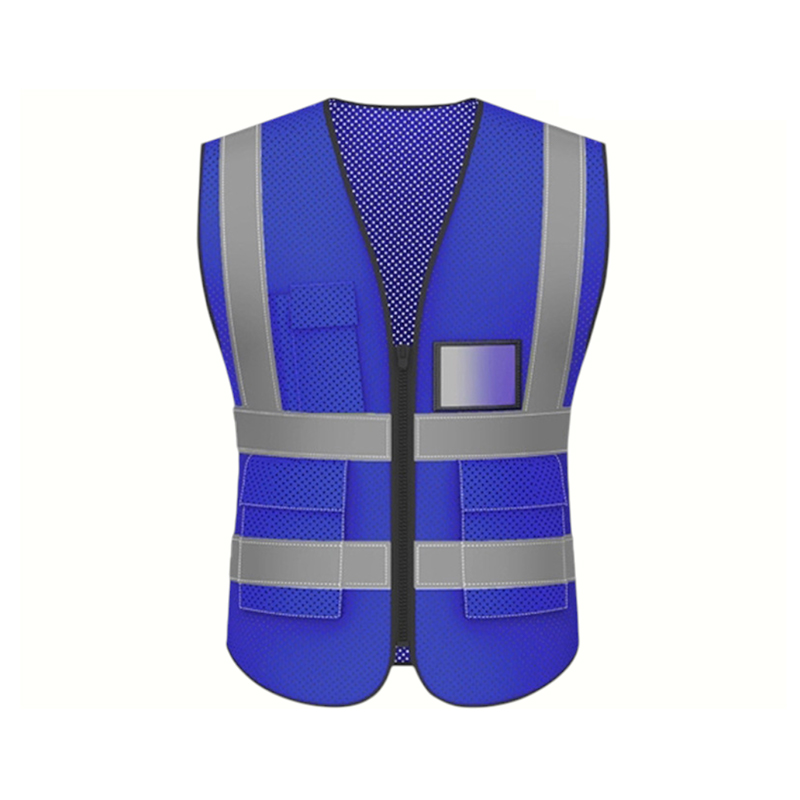
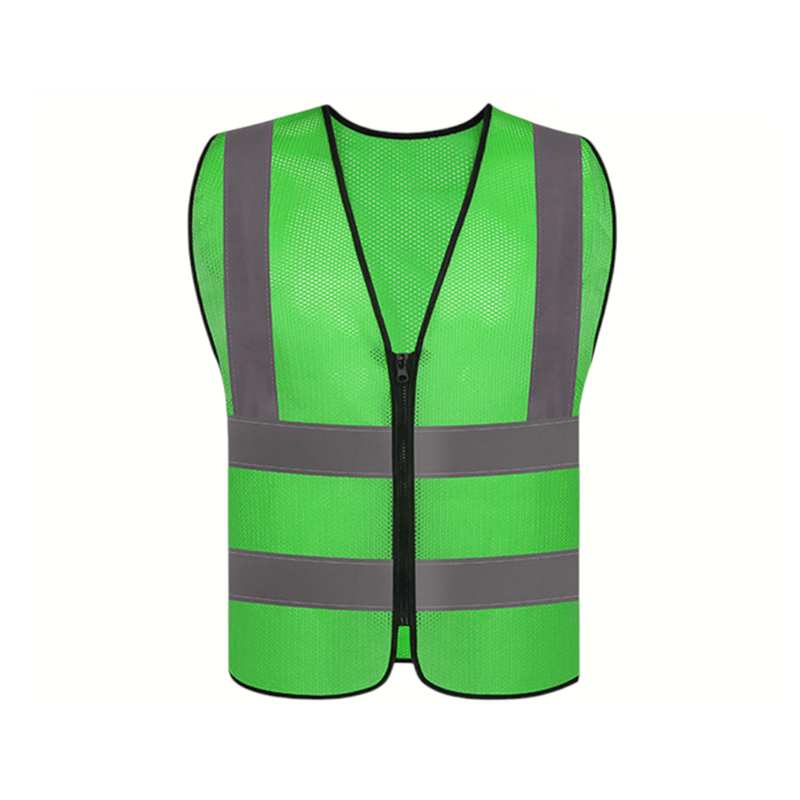
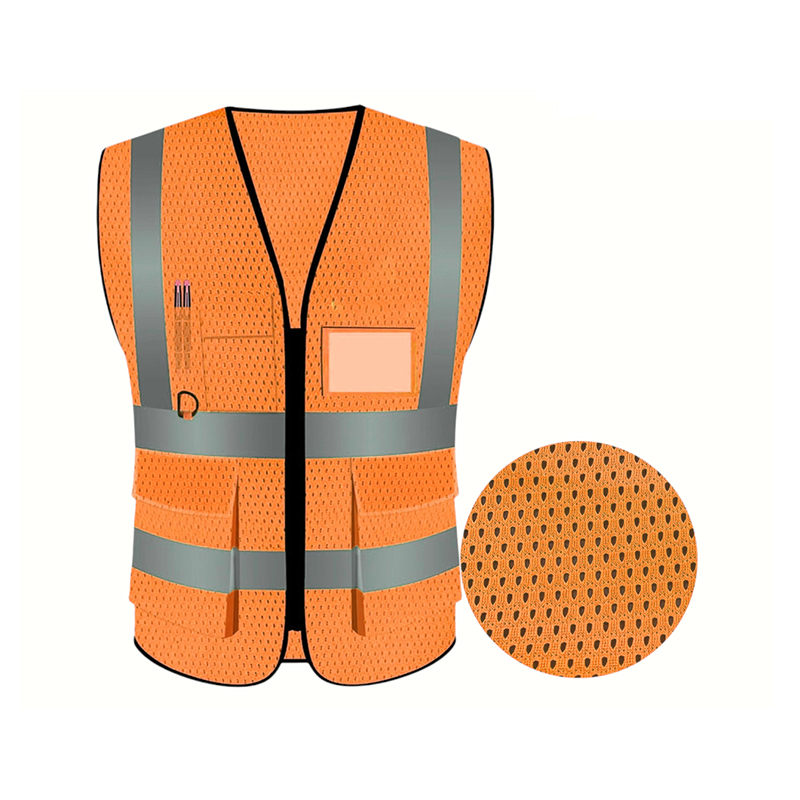
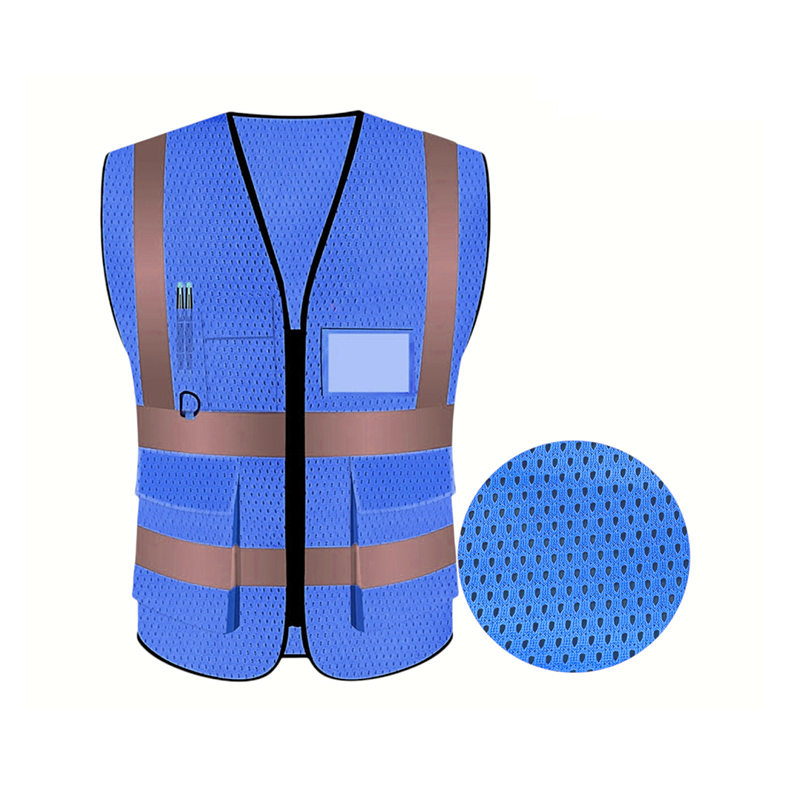
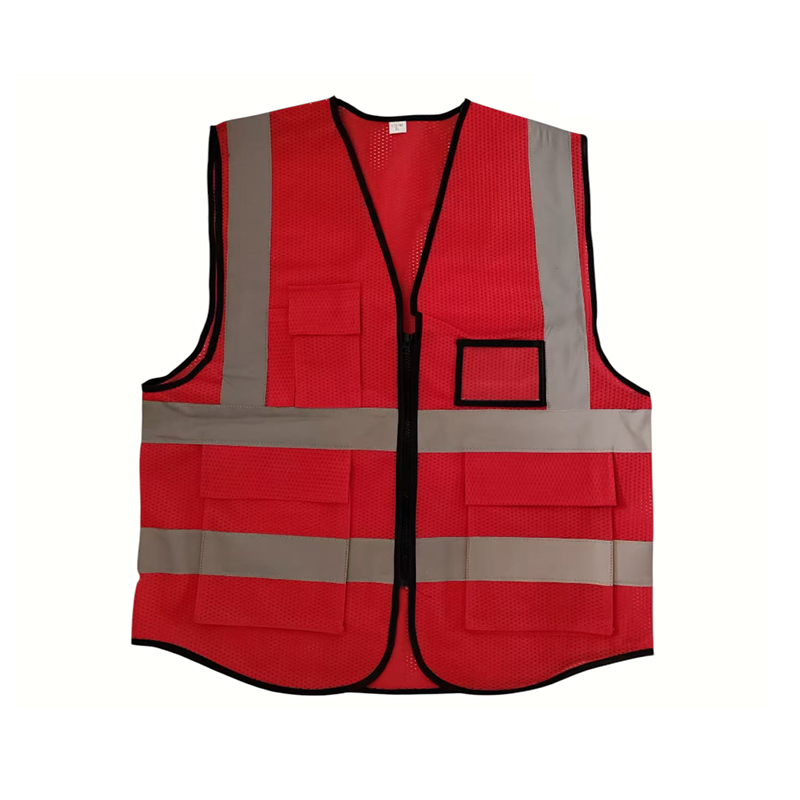
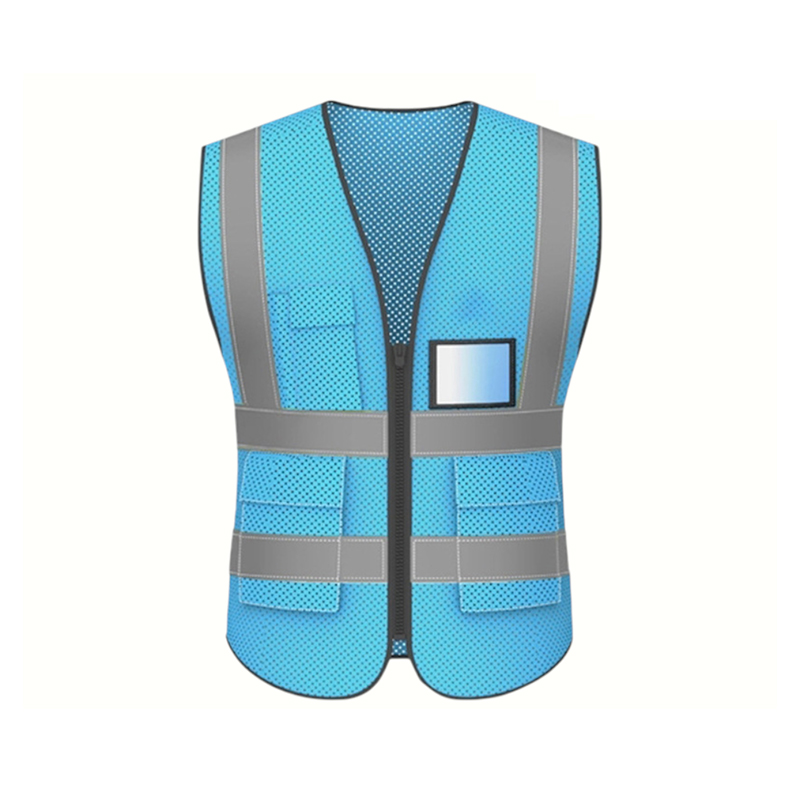
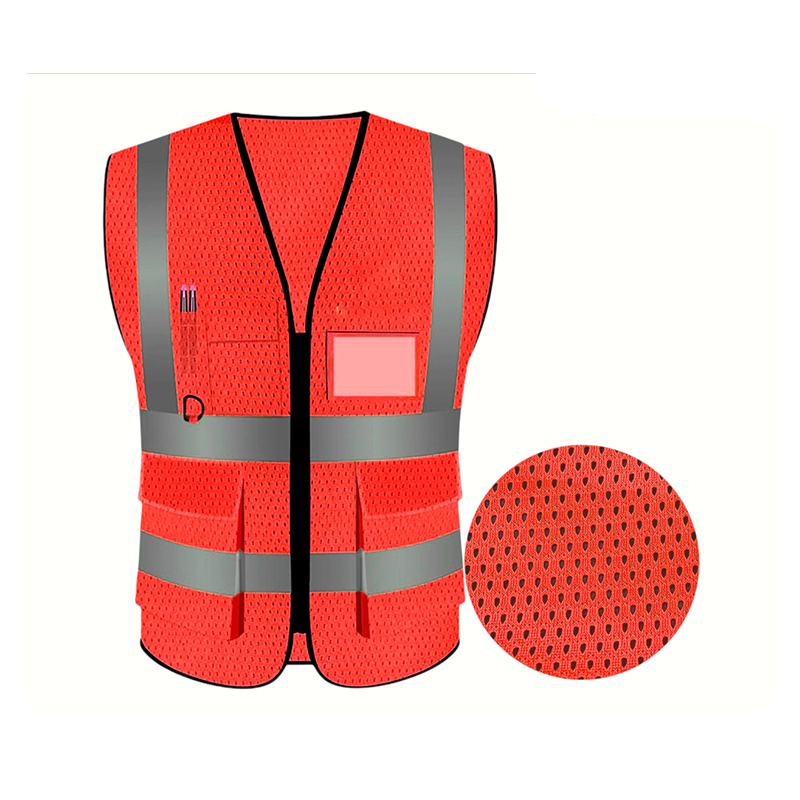
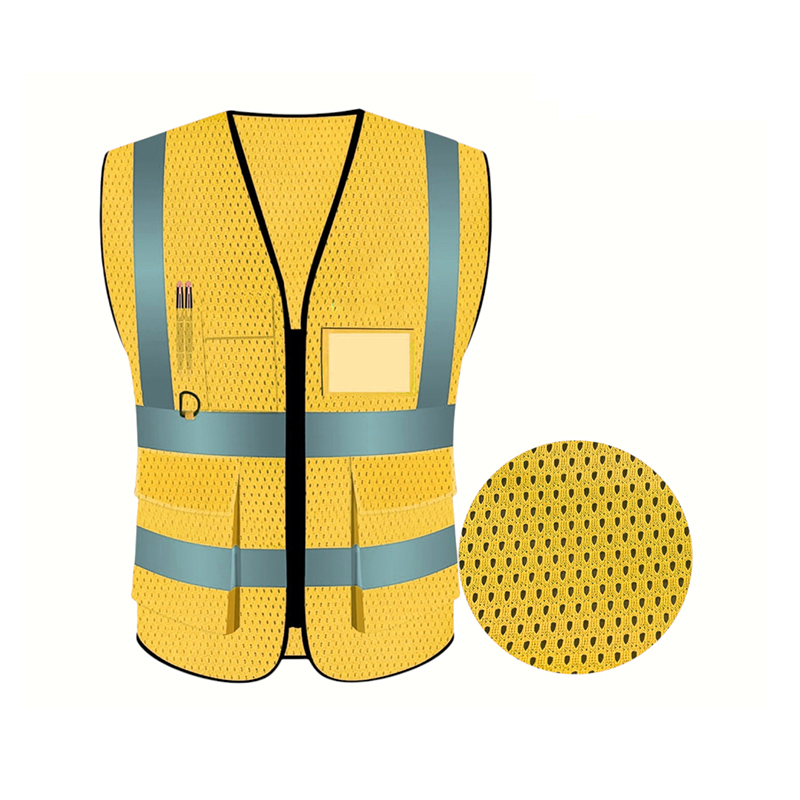
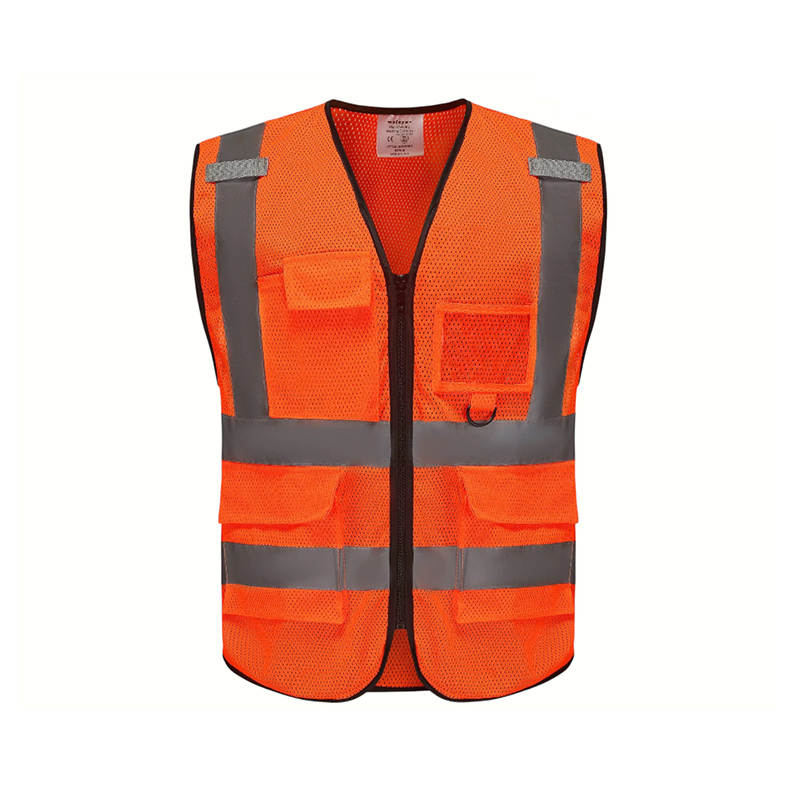
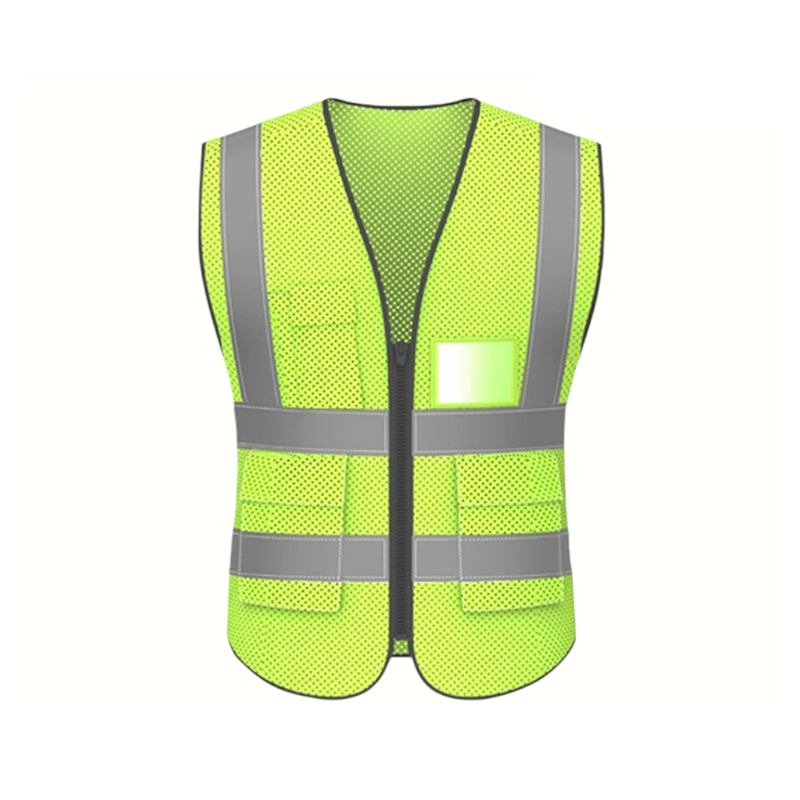
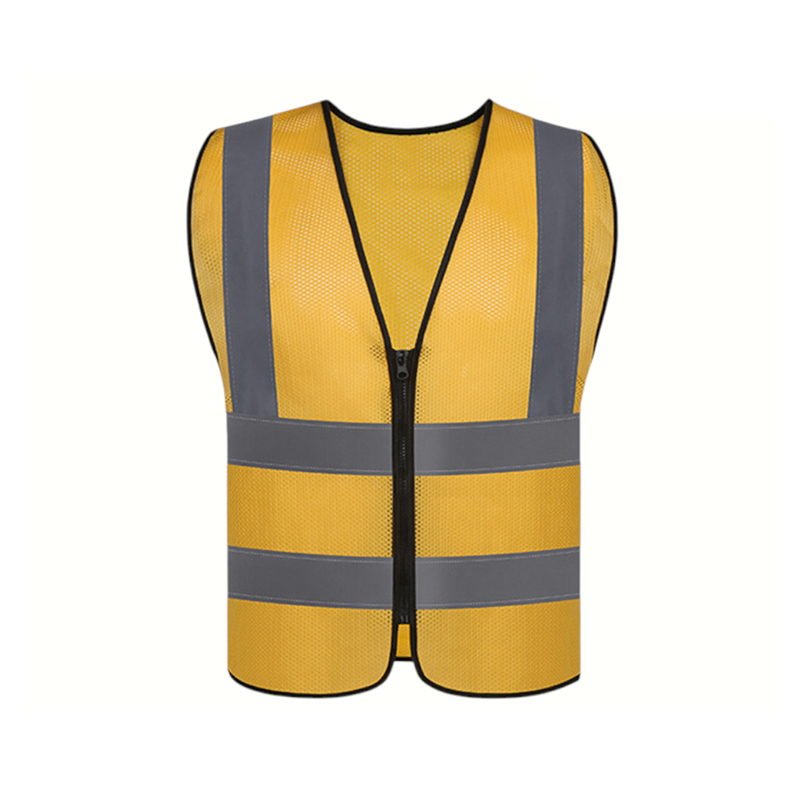
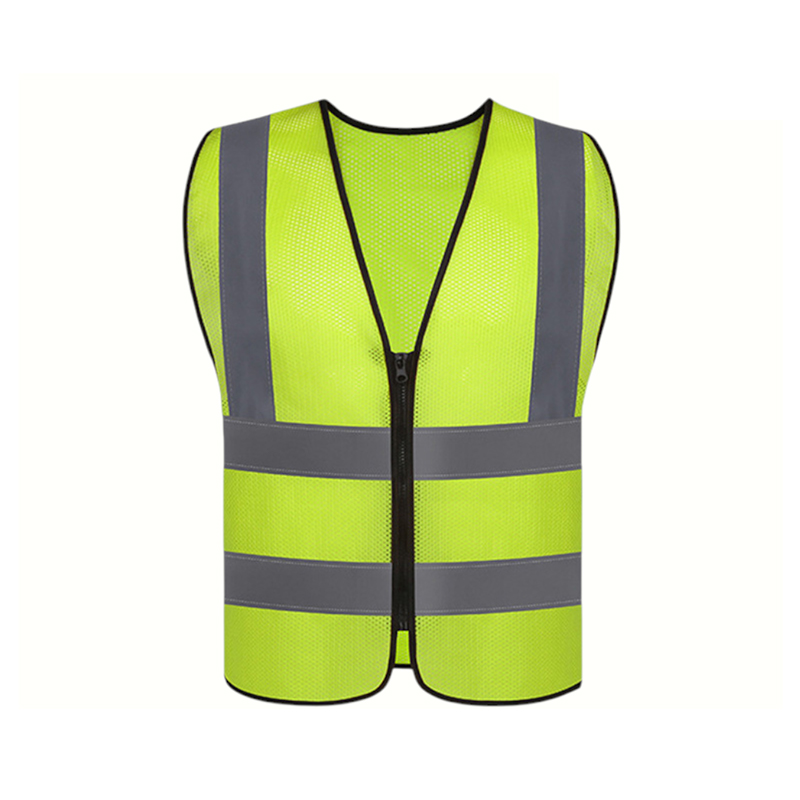
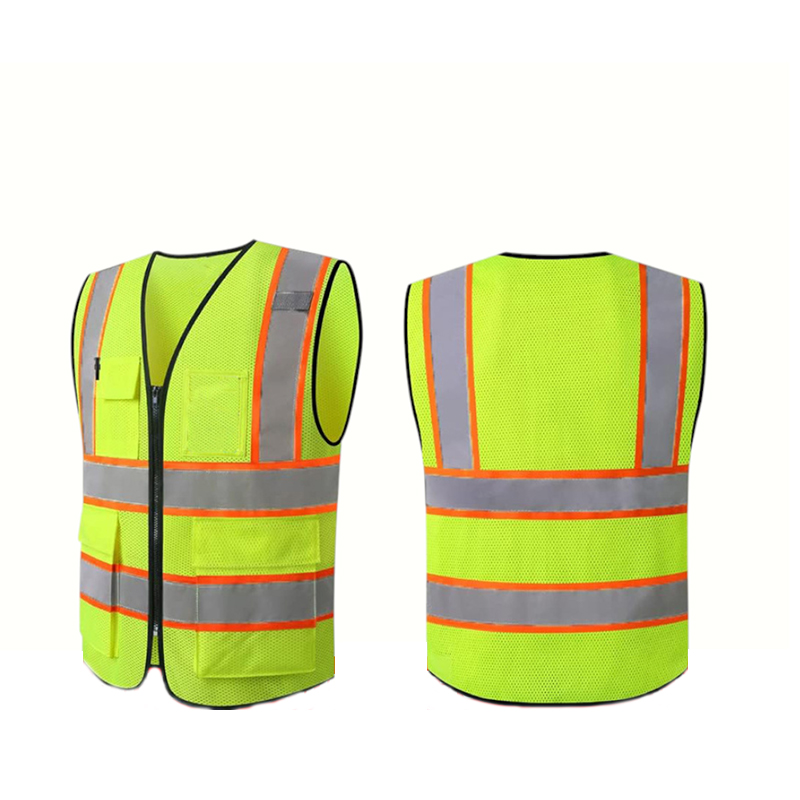
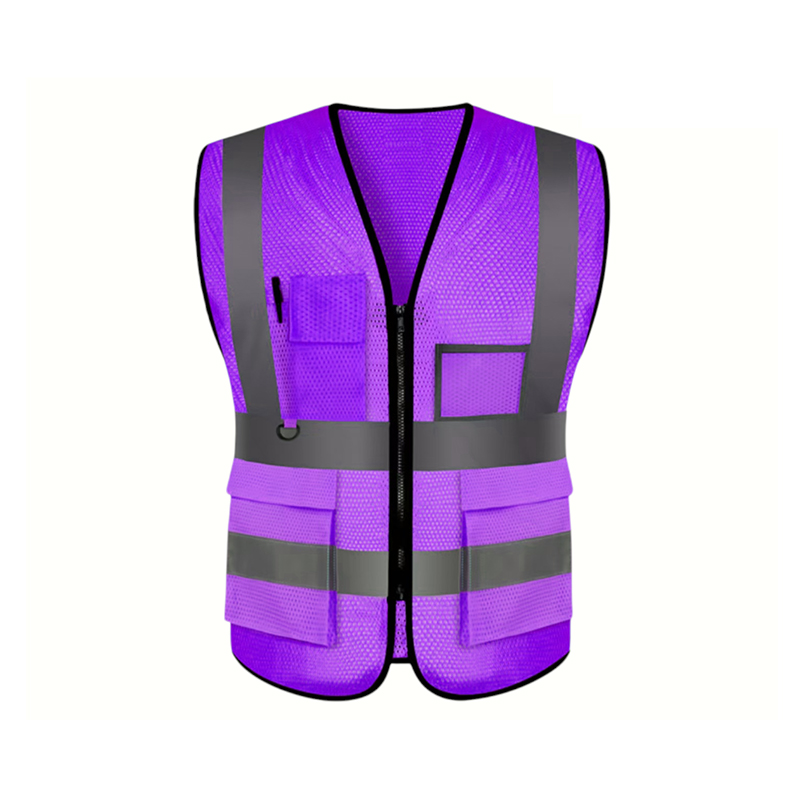
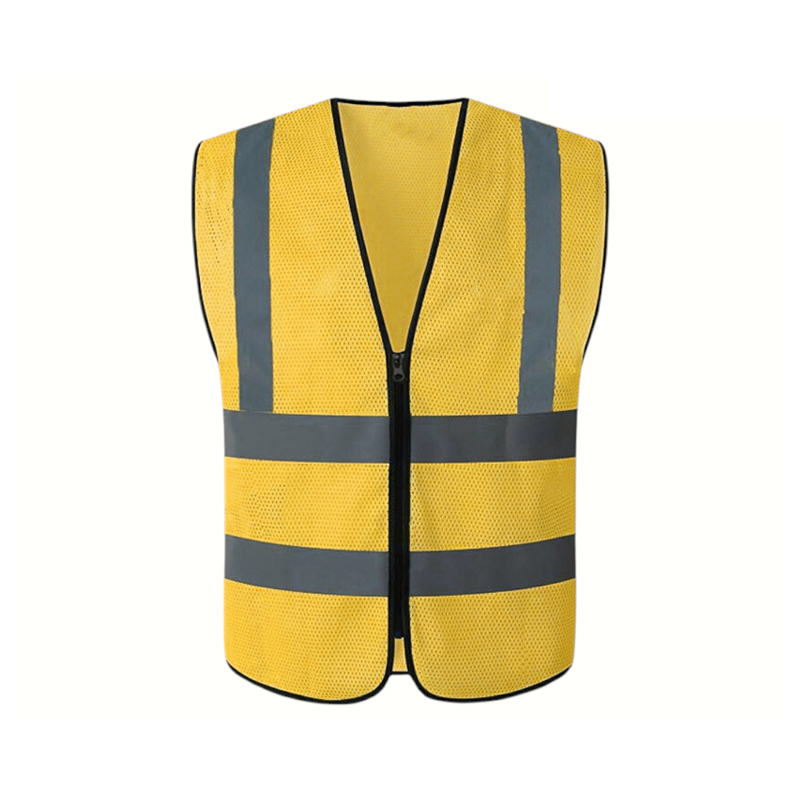
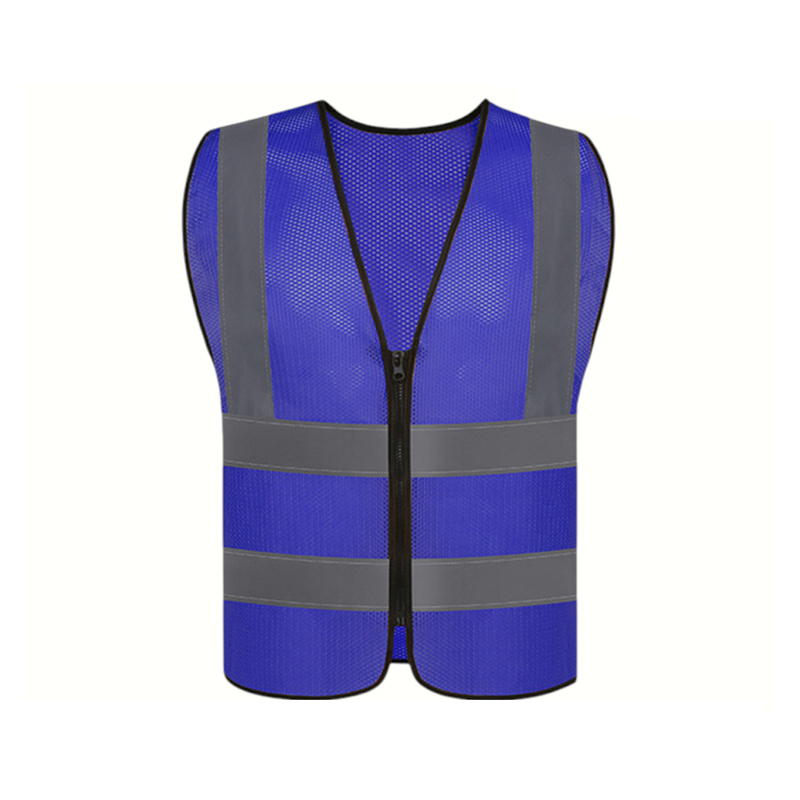
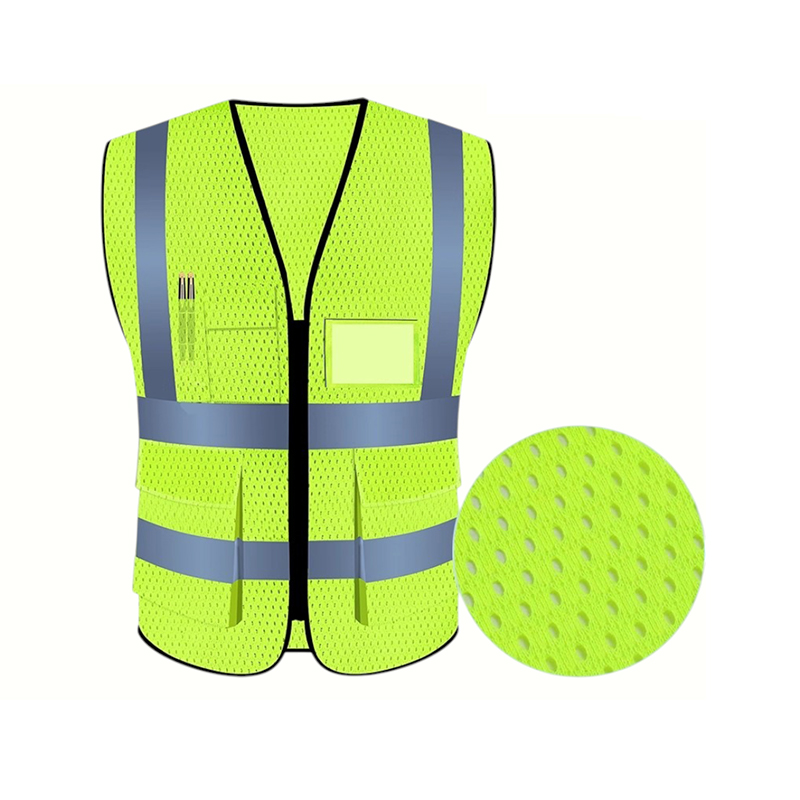
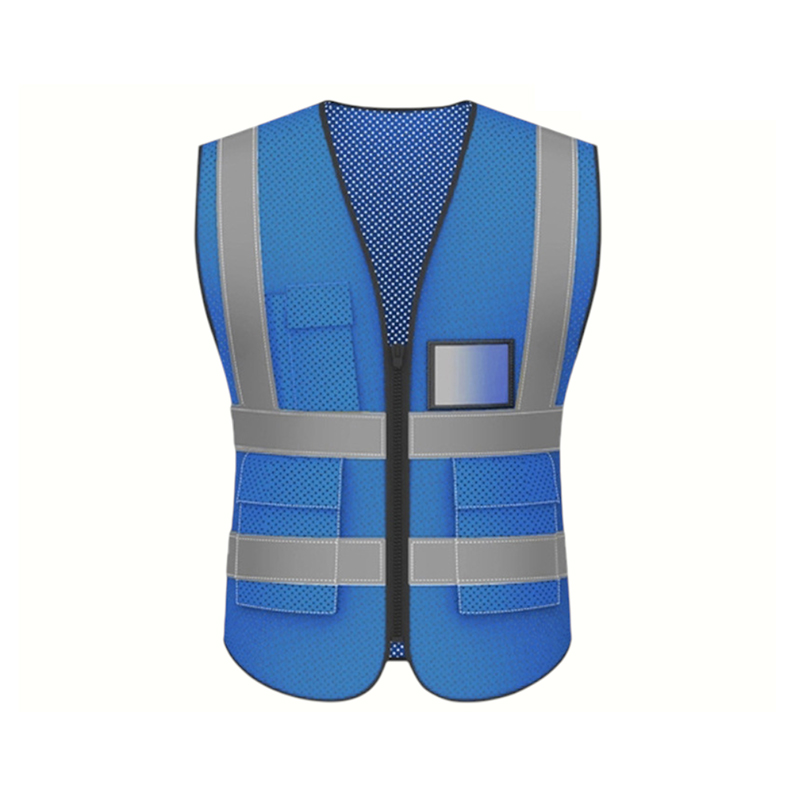
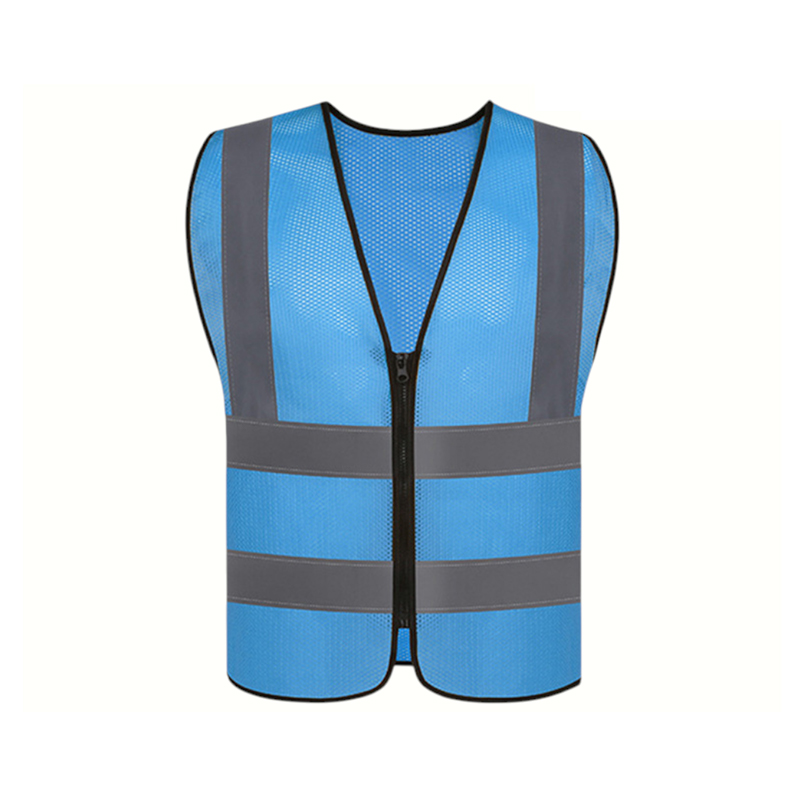
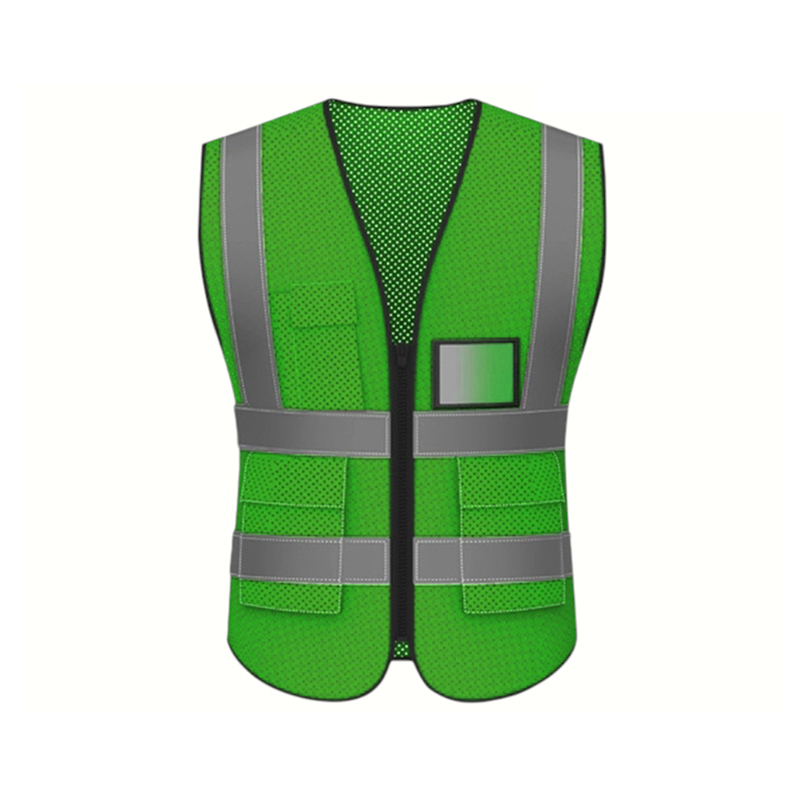
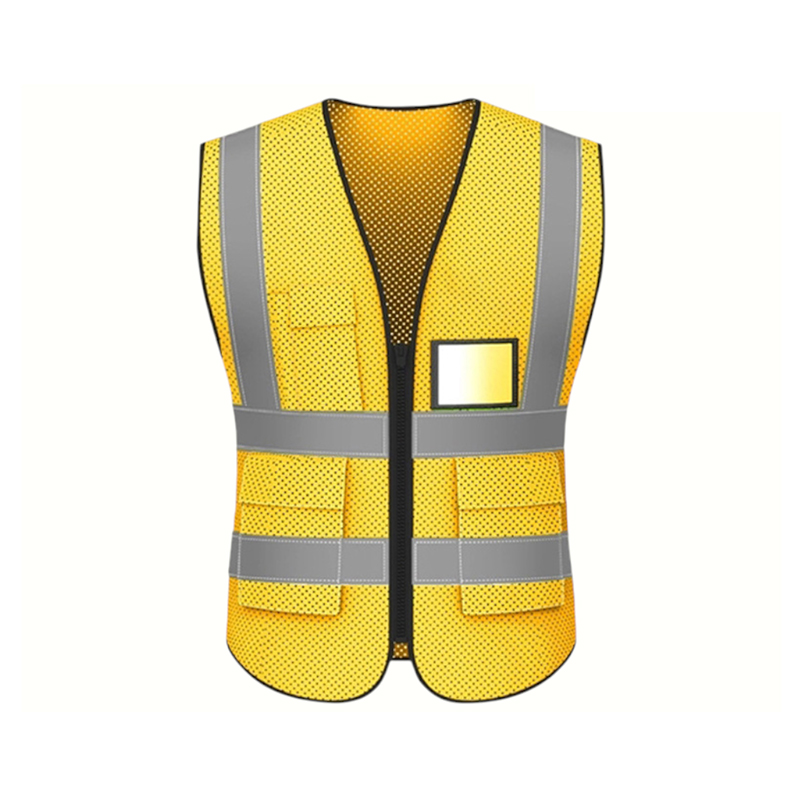
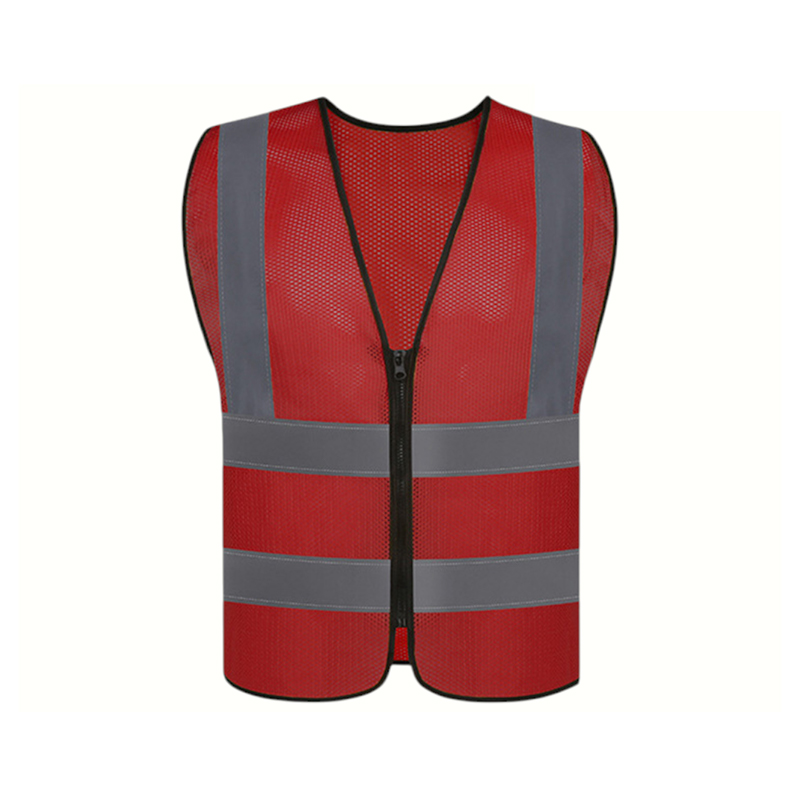
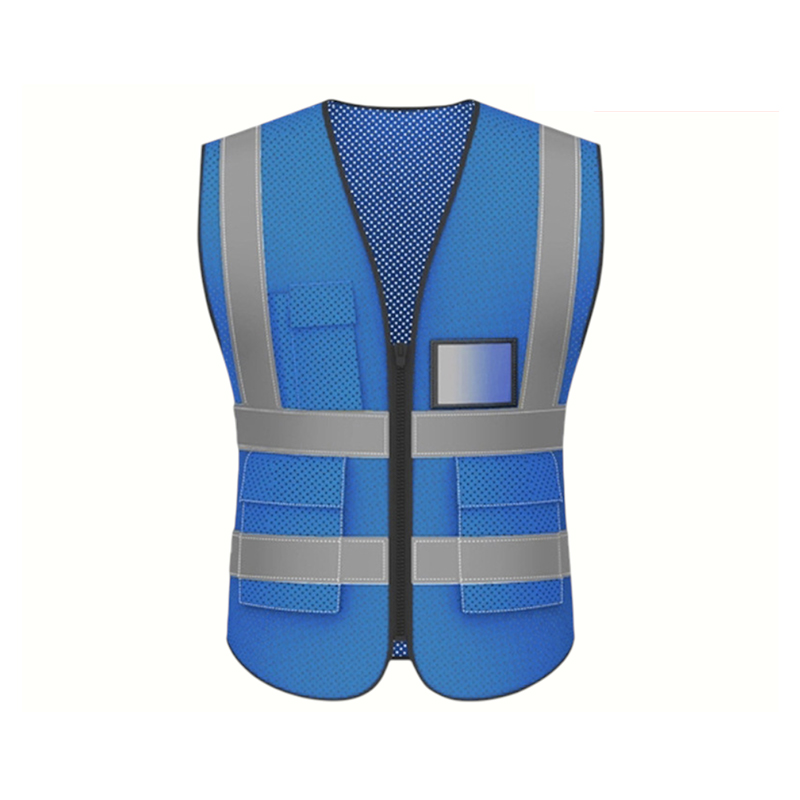
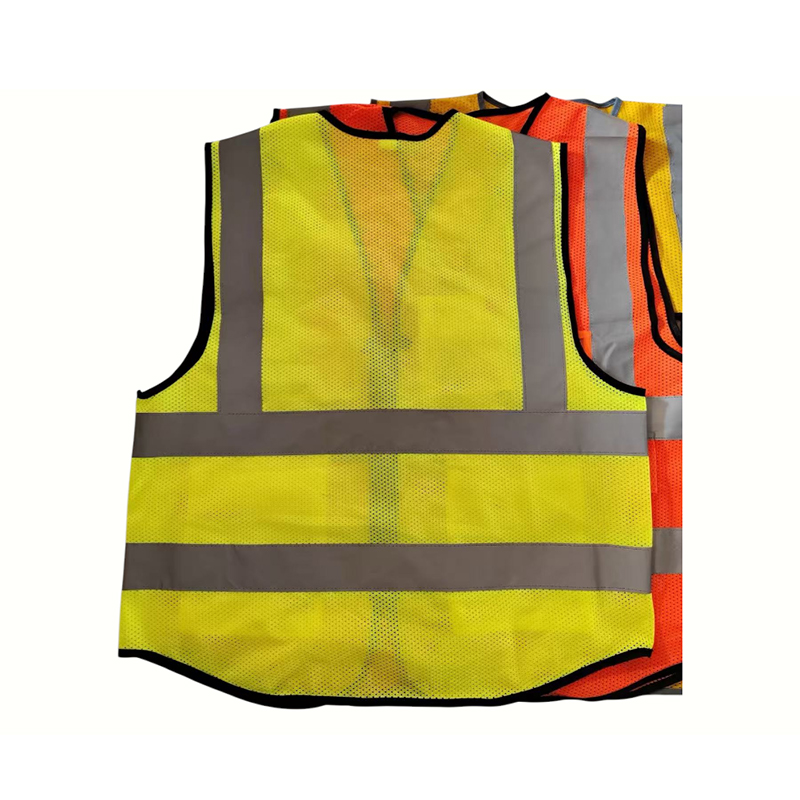
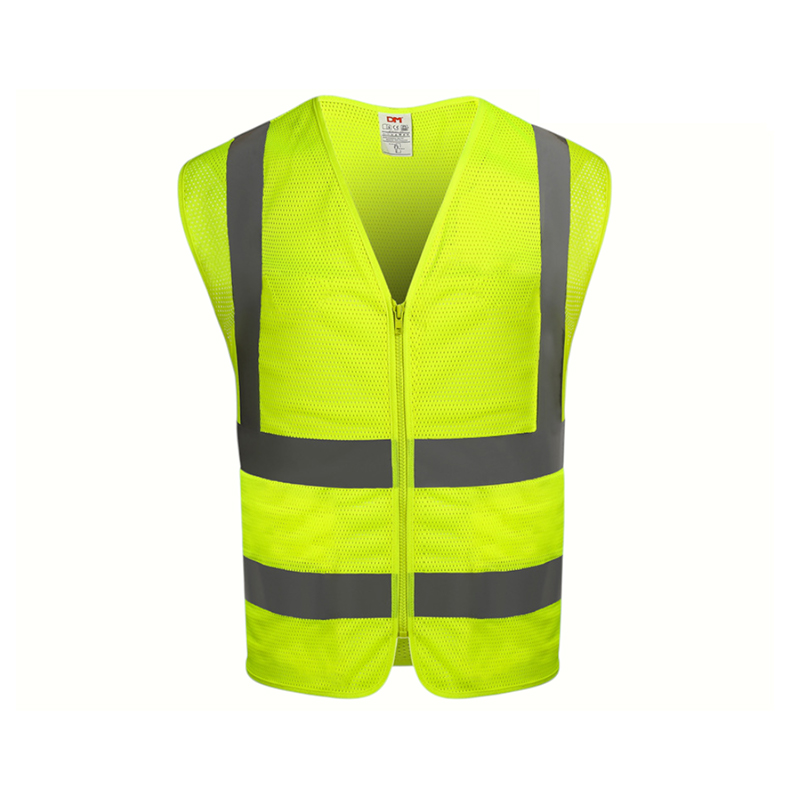
Mesh fabric vests are constructed from open-weave polyester or nylon materials, creating a net-like structure that permits continuous air circulation. In the context of ansi certified high-visibility breathable lightweight multi-functional safety vest products, mesh versions are specifically engineered for hot climates, indoor non-conditioned spaces, and high-exertion tasks where body heat accumulation is a primary safety concern. Leading reflective vest factory lines often prioritize mesh designs for summer workwear programs due to their proven acceptance among outdoor crews.
Core Functional and Technical Characteristics
- Open-pore structure that allows up to 40% more airflow compared to solid fabrics, based on common industry ventilation tests.
- Lightweight construction – typically weighing 30–40% less than solid equivalents, reducing shoulder fatigue during long shifts.
- Quick-dry properties; moisture evaporates rapidly, keeping the wearer’s base layer drier.
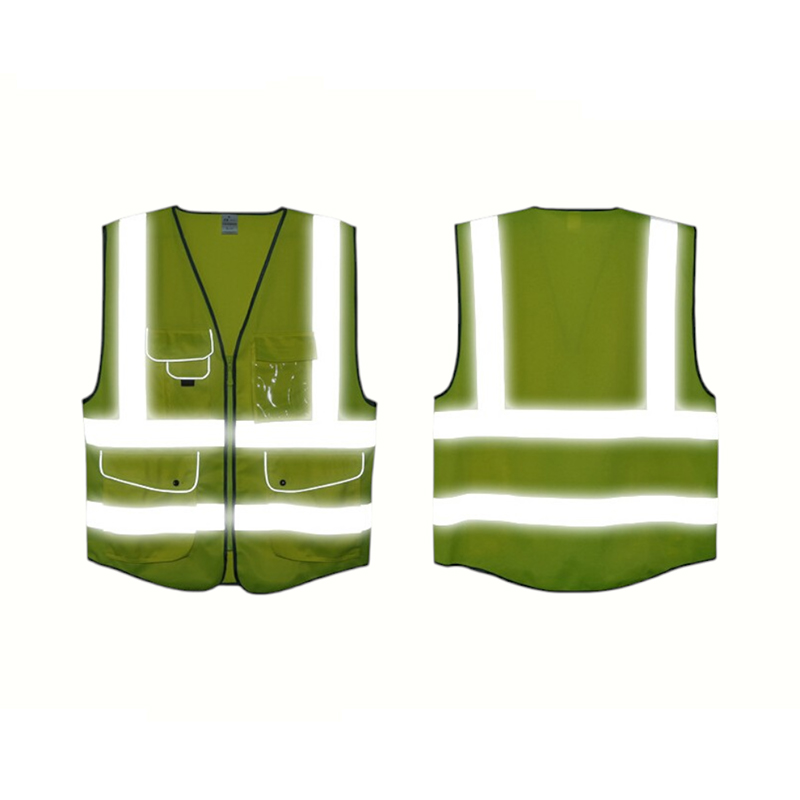
- Retains full ANSI/ISEA 107 reflective striping performance through specialized stitching patterns that do not compromise the reflective bond.
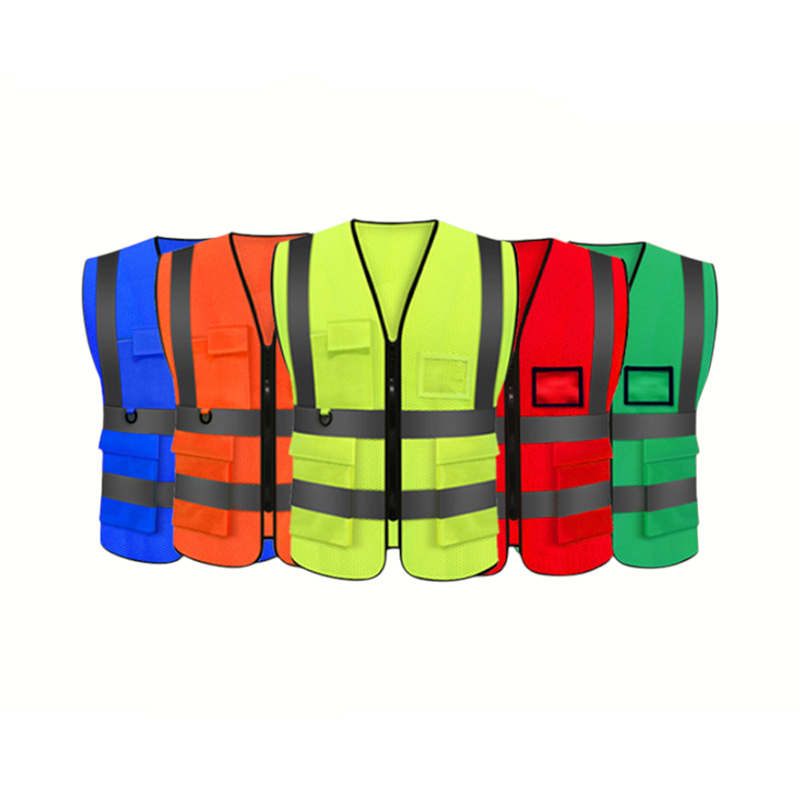
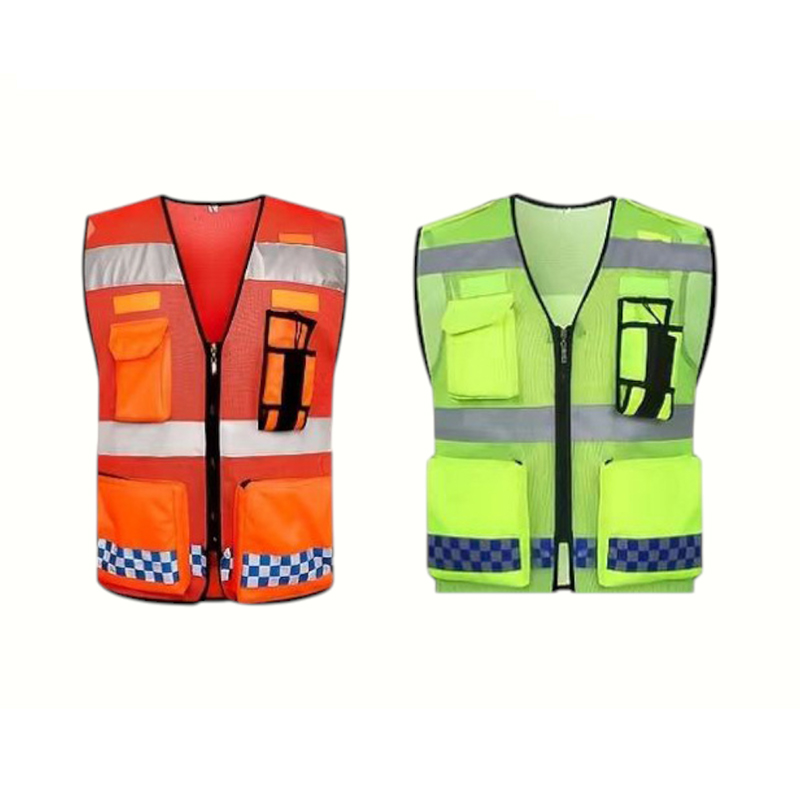
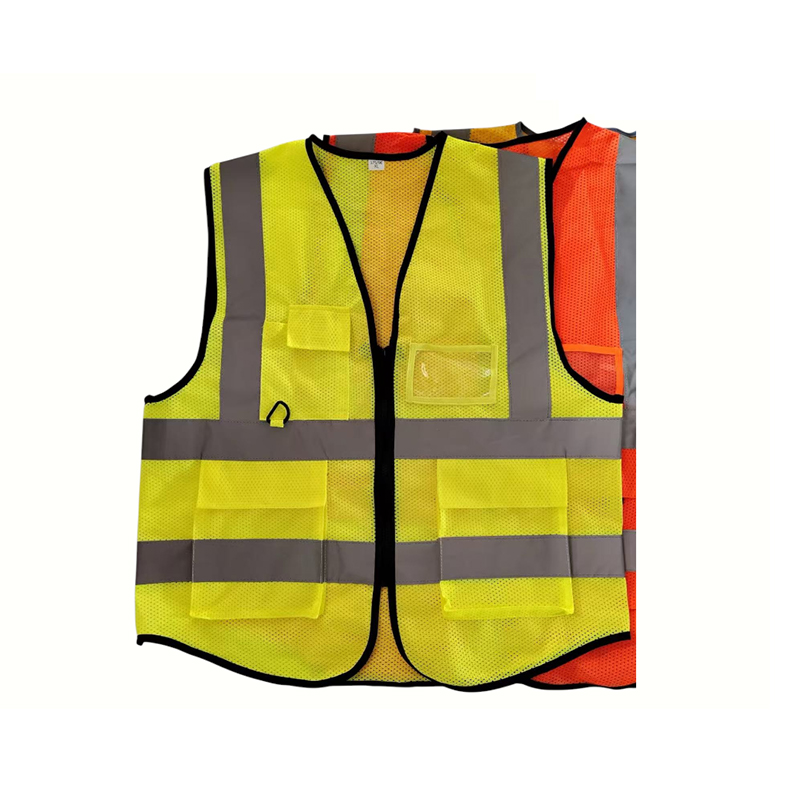
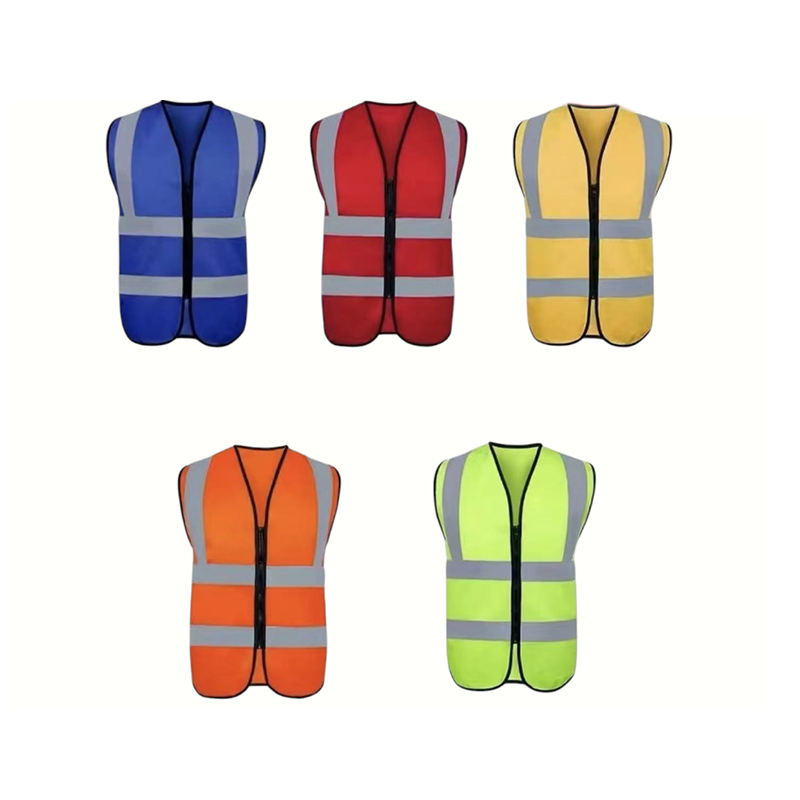
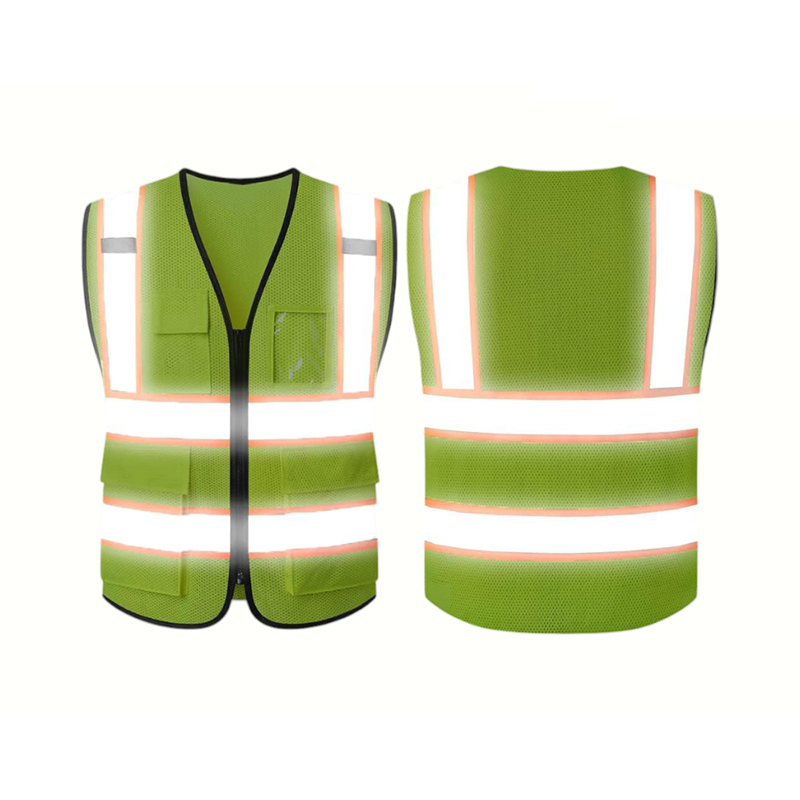
- Available in fluorescent yellow, orange, and two-tone combinations with custom printed reflective safety vest logo placement.
Typical Application Scenarios
Mesh vests are the preferred choice for construction reflective vest use in summer highway projects, warehouse logistics in tropical regions, and airport ground handling during peak heat hours. They are also widely adopted by traffic control officers and survey crews who work in direct sunlight for extended periods. Many china reflective safety vest manufacturers export mesh models to Middle Eastern and Southeast Asian markets where ambient temperatures regularly exceed 40°C.
Differentiated Advantages Over Solid Fabric
The primary advantage is superior breathability, which directly reduces heat stress – a critical factor in maintaining alertness and reducing accident rates. Additionally, mesh vests are easier to fold and store, and they dry much faster after rain or washing. However, they offer less protection against wind chill and provide minimal barrier against light debris or dust. For breathable reflective work vest requirements in humid environments, mesh remains the undisputed standard.
Hangzhou Lutai Import and Export Trading Co., Ltd. leverages its R&D capabilities to produce mesh vests that incorporate reinforced edge stitching and anti-snag mesh patterns, ensuring durability even when used near rough scaffolding or rebar. Their mesh designs are fully customizable, supporting custom size reflective safety vest orders for large workforces.
2. Solid Fabric Safety Vests: Durability, Weather Protection, and Professional Appearance
Definition and Positioning
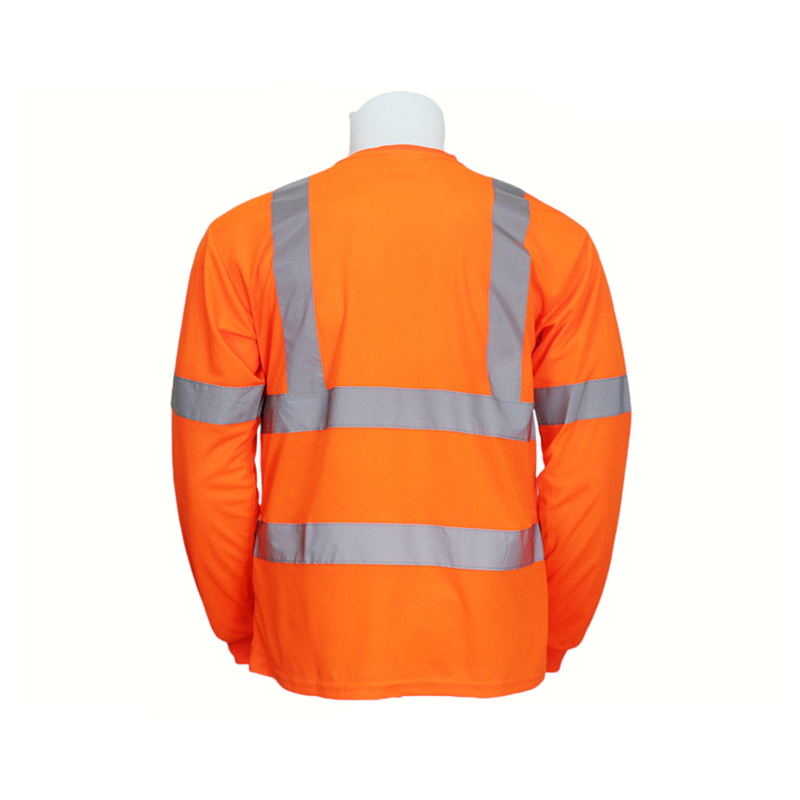
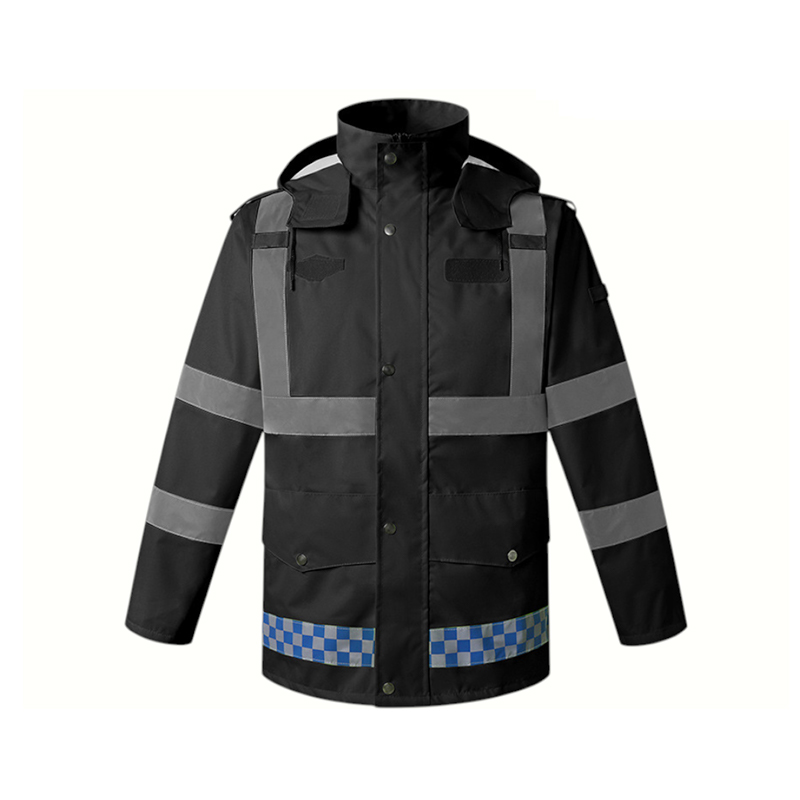
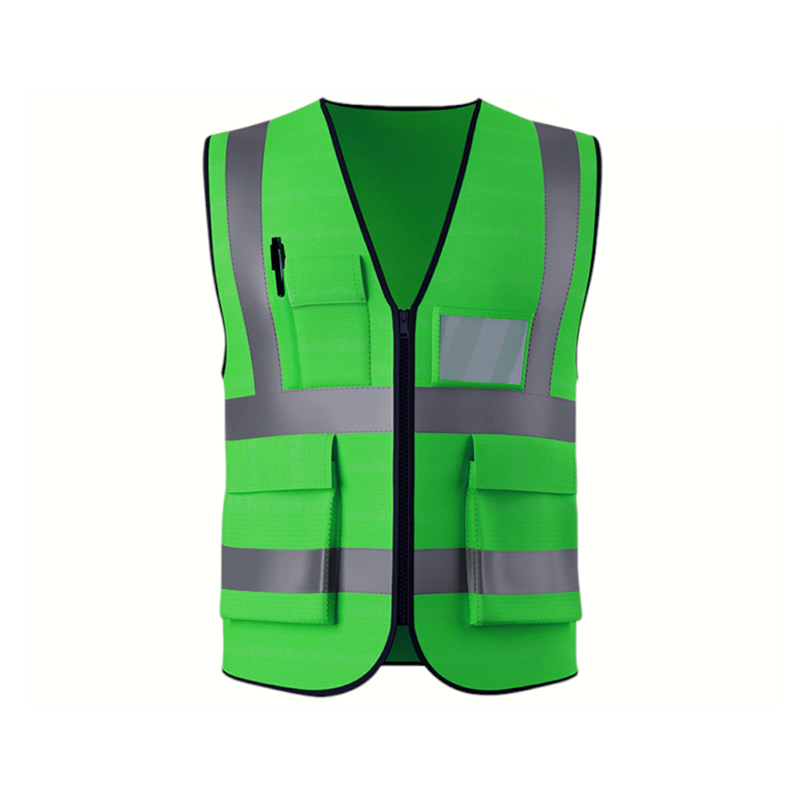
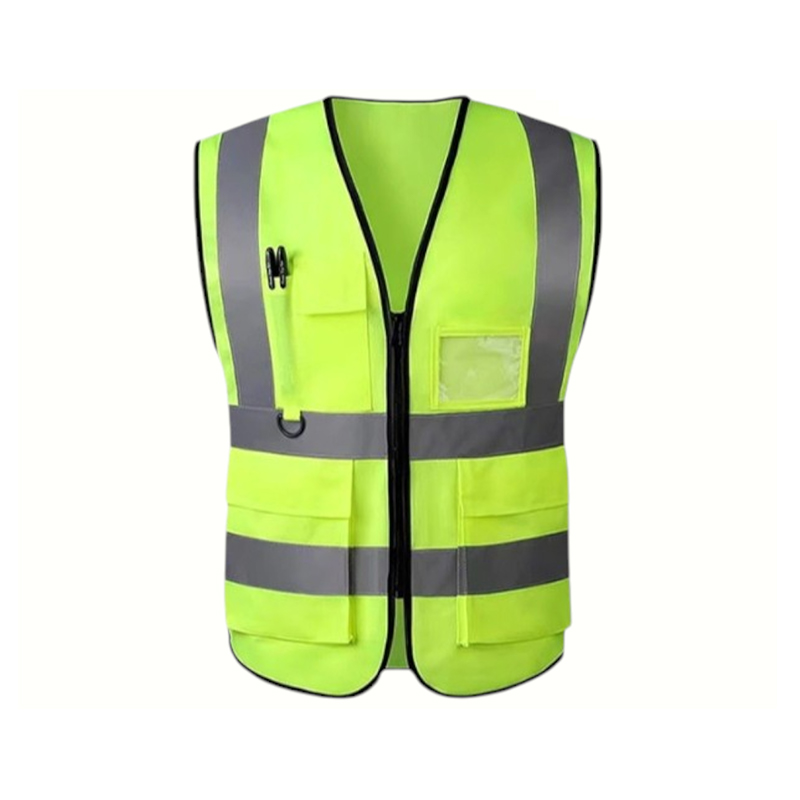
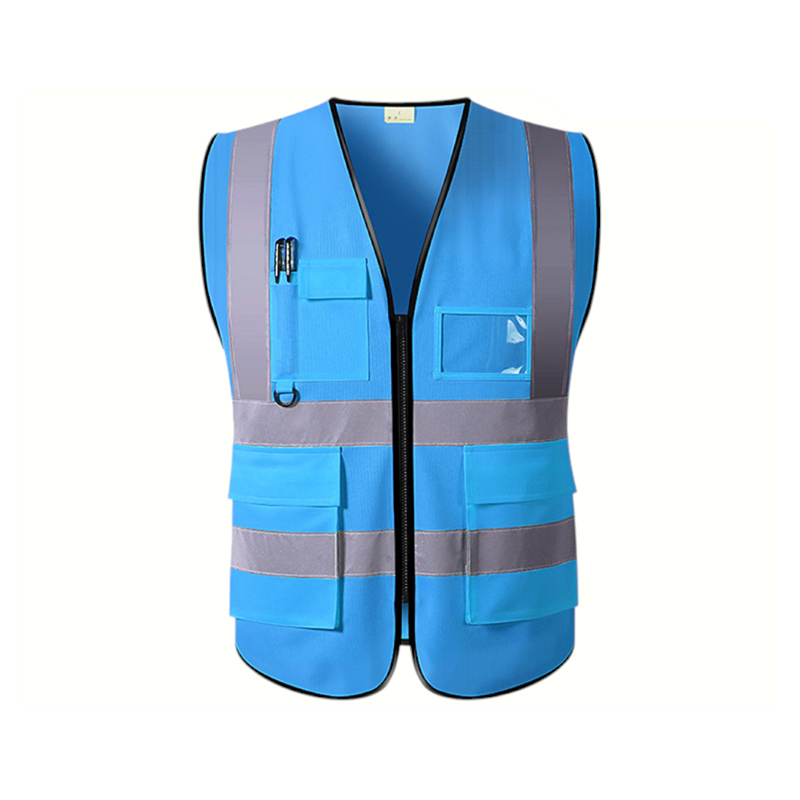
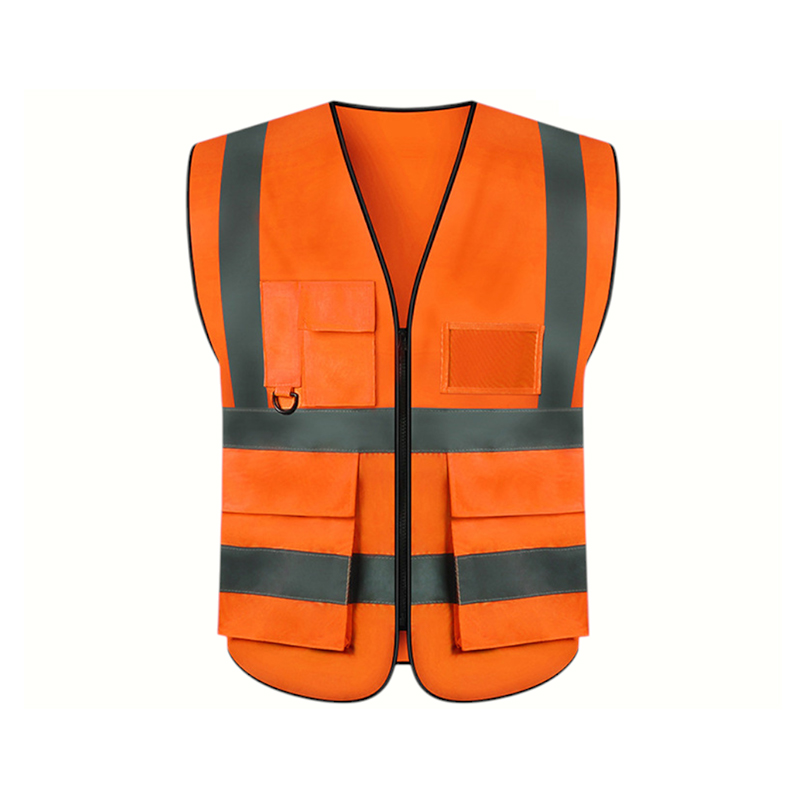
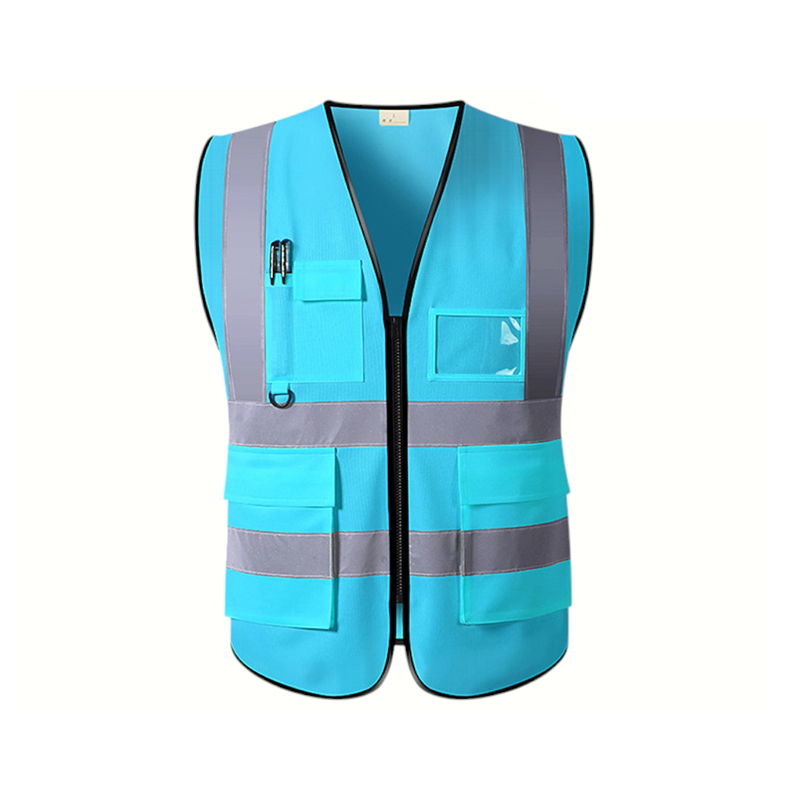
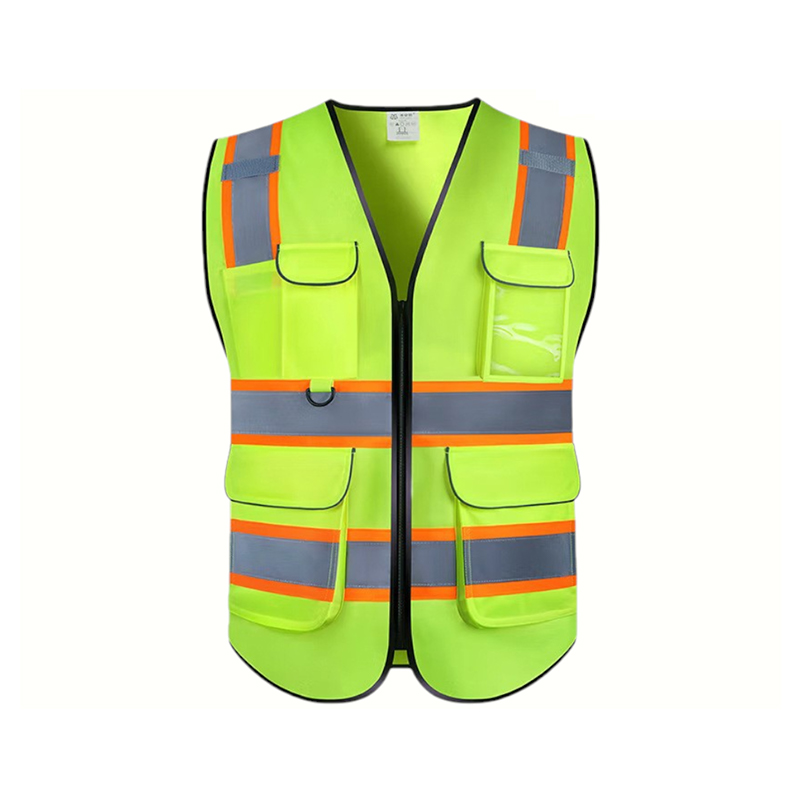
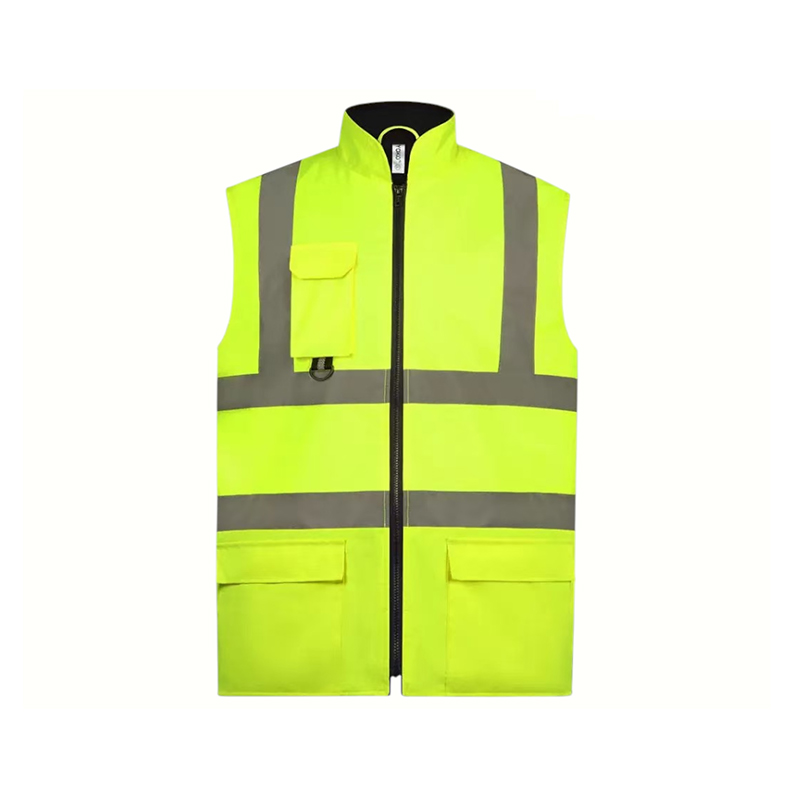
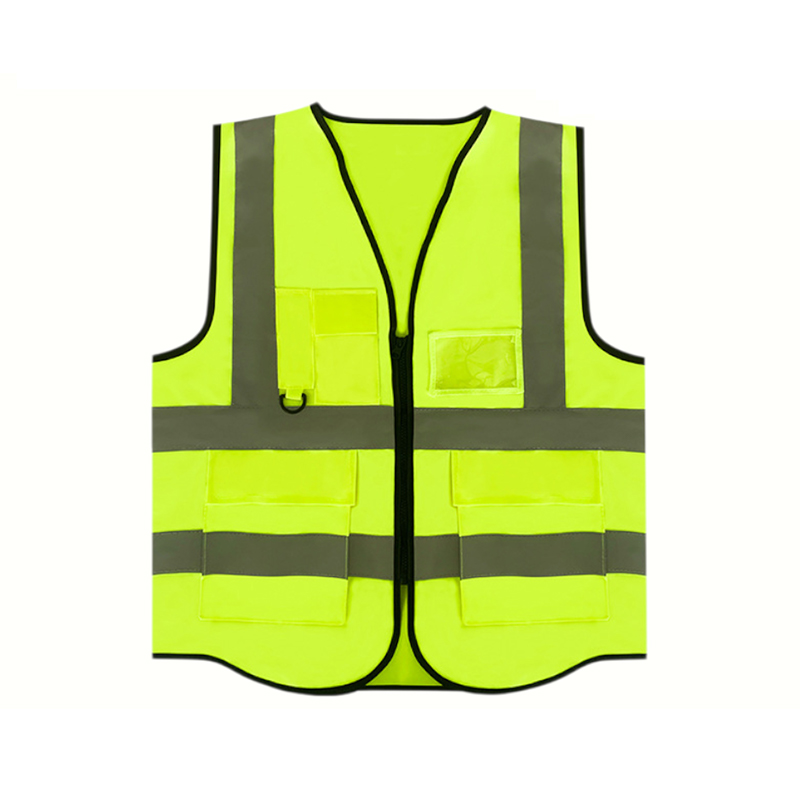
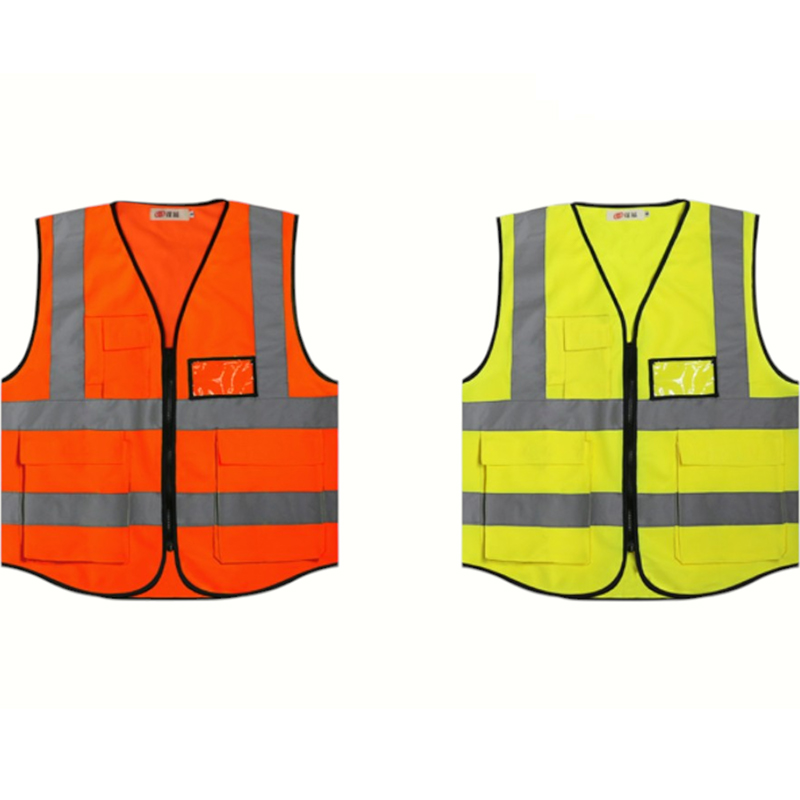
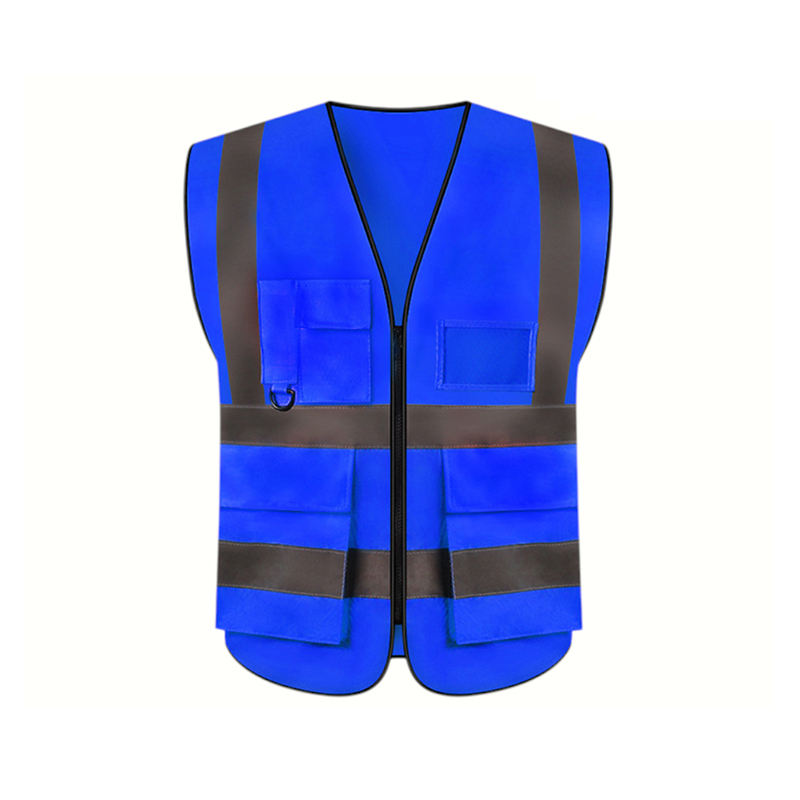
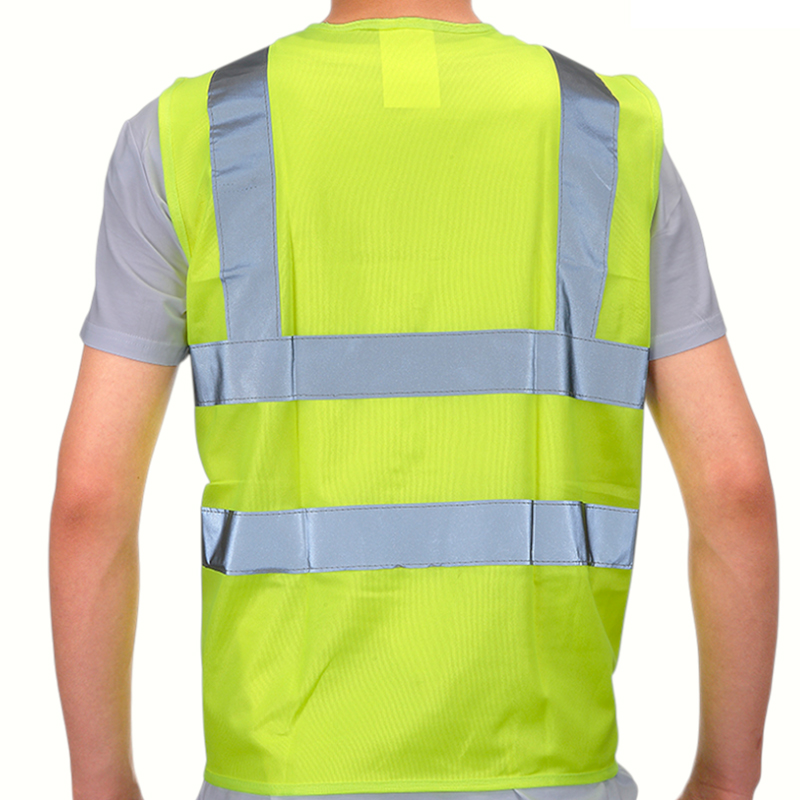
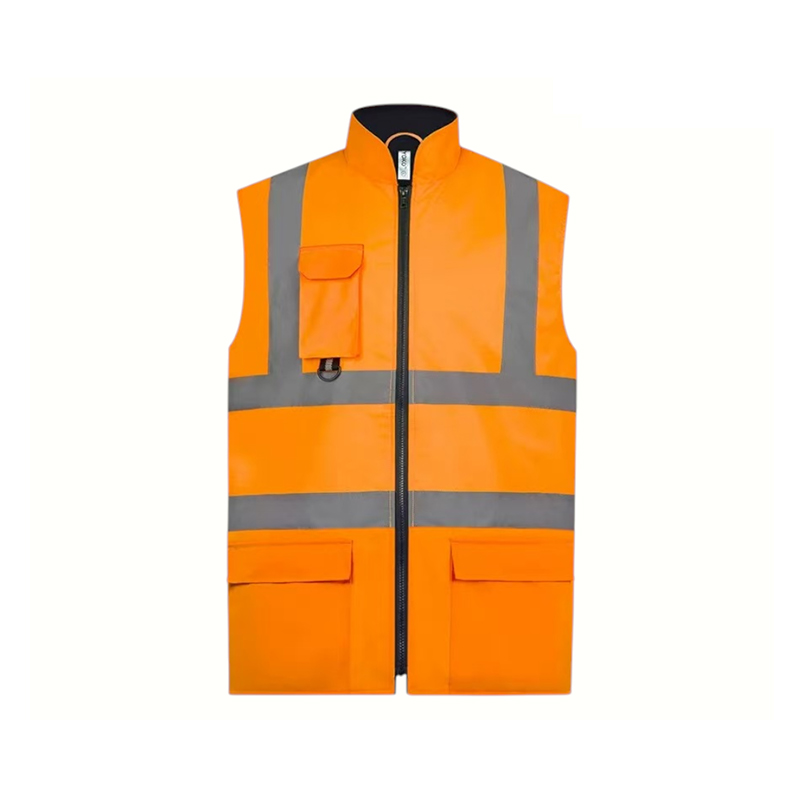
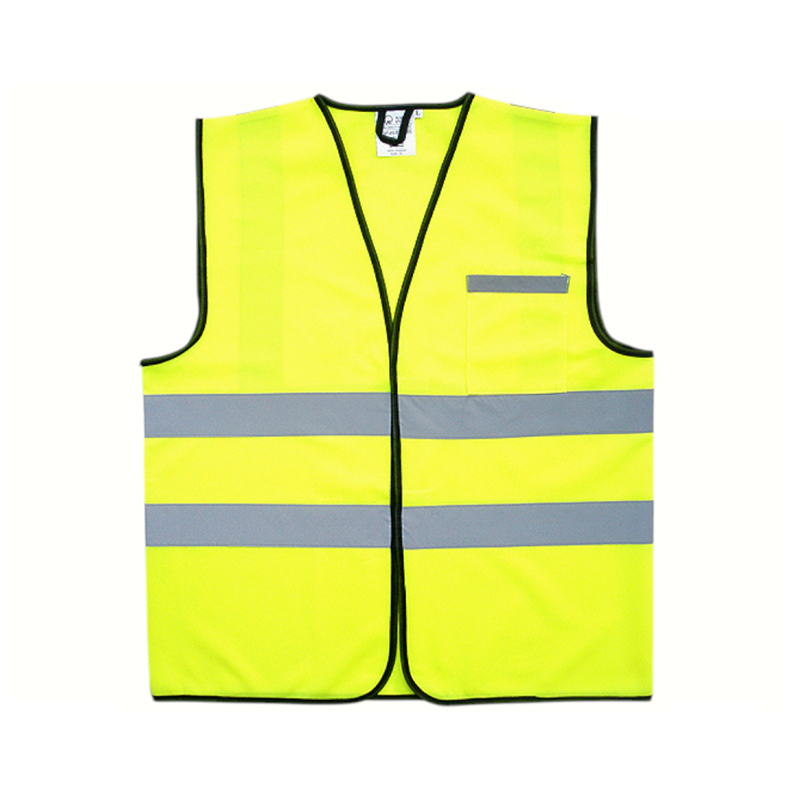
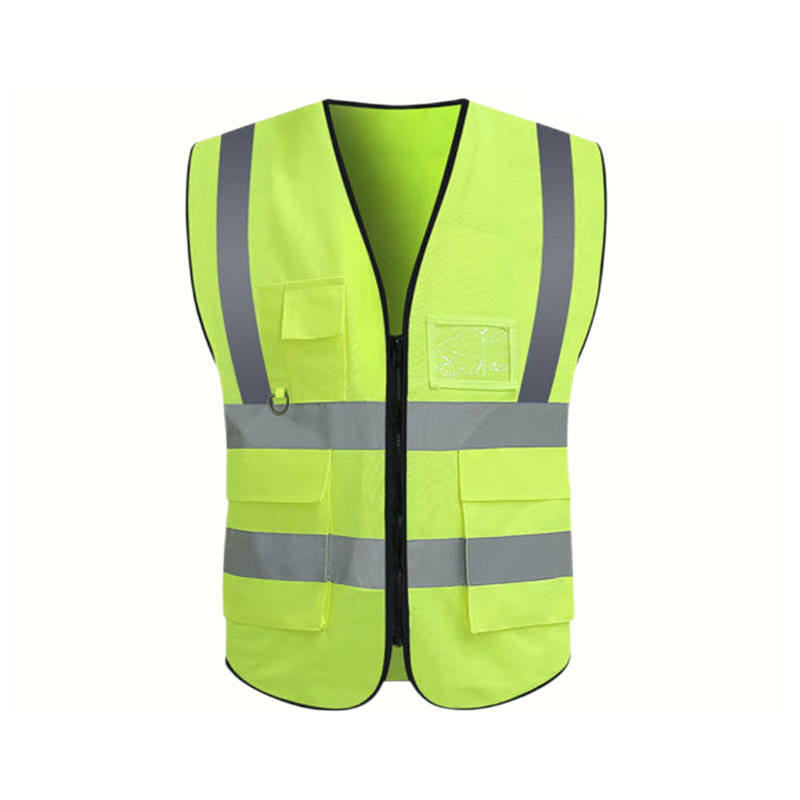
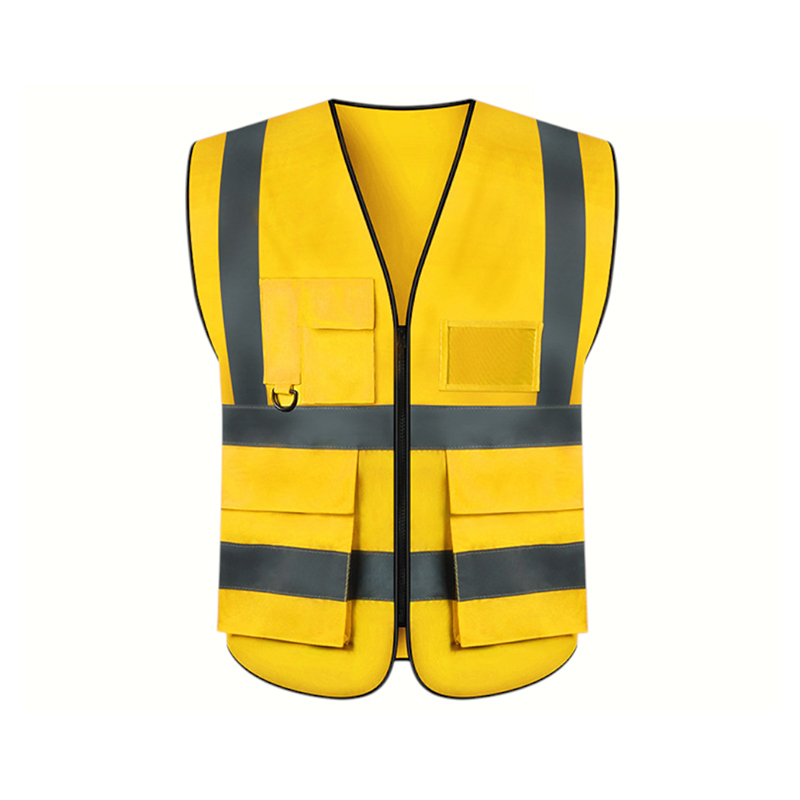
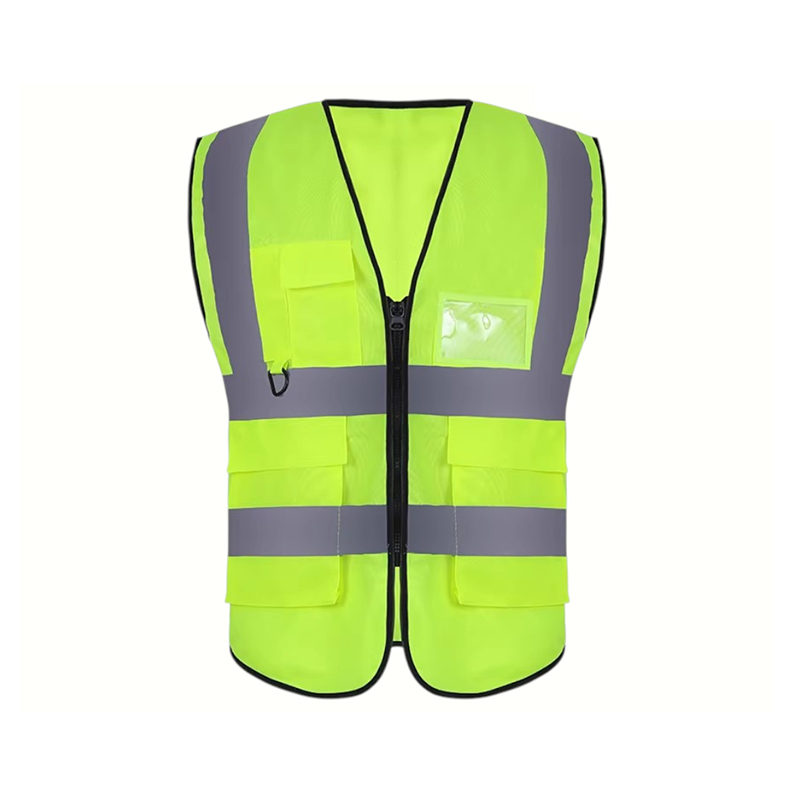
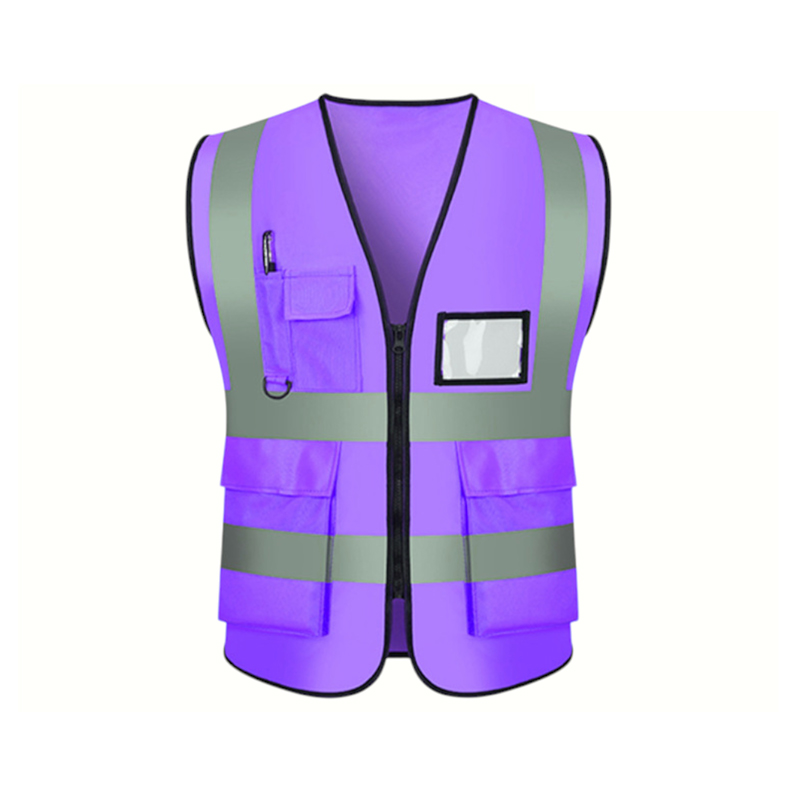
Solid fabric vests are made from tightly woven polyester tricot, oxford, or similar dense materials. Unlike mesh, they provide a continuous surface that blocks wind, resists light rain, and offers better abrasion resistance. In the ansi certified high-visibility breathable lightweight multi-functional safety vest category, solid fabric models are positioned as all-weather, heavy-duty options for cooler climates and rough terrain. While they are still lightweight relative to jackets, they trade some airflow for increased structural integrity.
Core Functional and Technical Characteristics
- Dense weave provides inherent wind resistance, reducing convective heat loss by 20–30% compared to mesh.
- Higher tensile tear strength – solid fabric withstands snags from sharp edges and heavy tools better than open-weave materials.
- Surface area is more suitable for large-area custom printed reflective safety vest branding, such as full-back company logos or safety slogans.
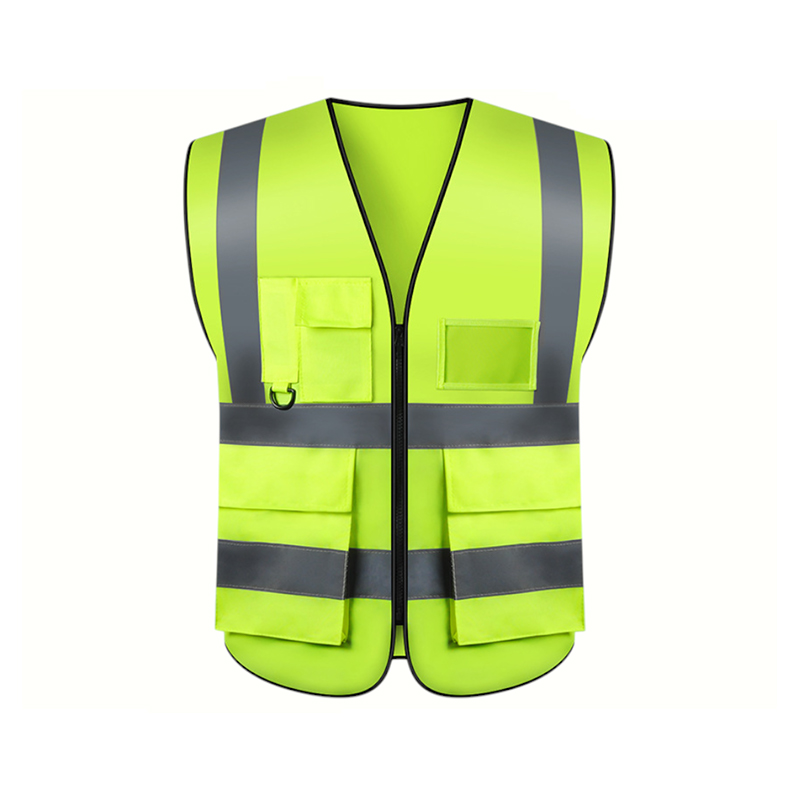
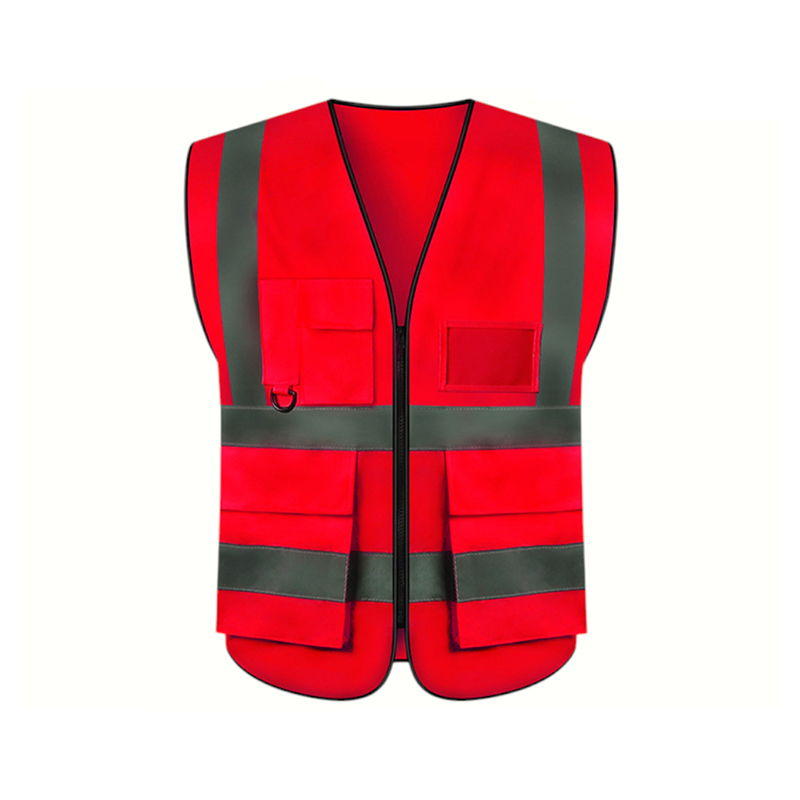
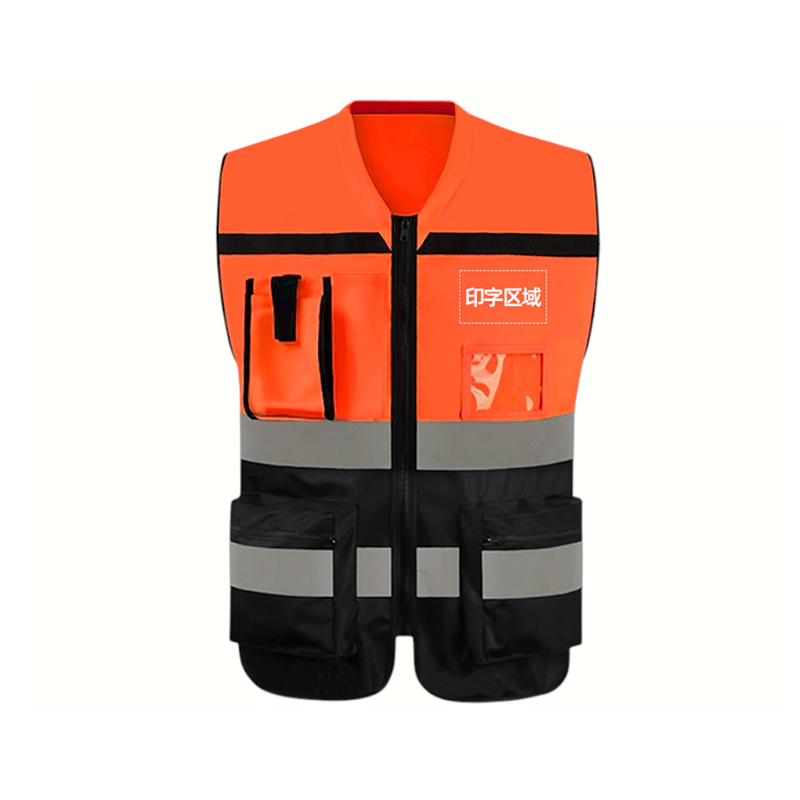
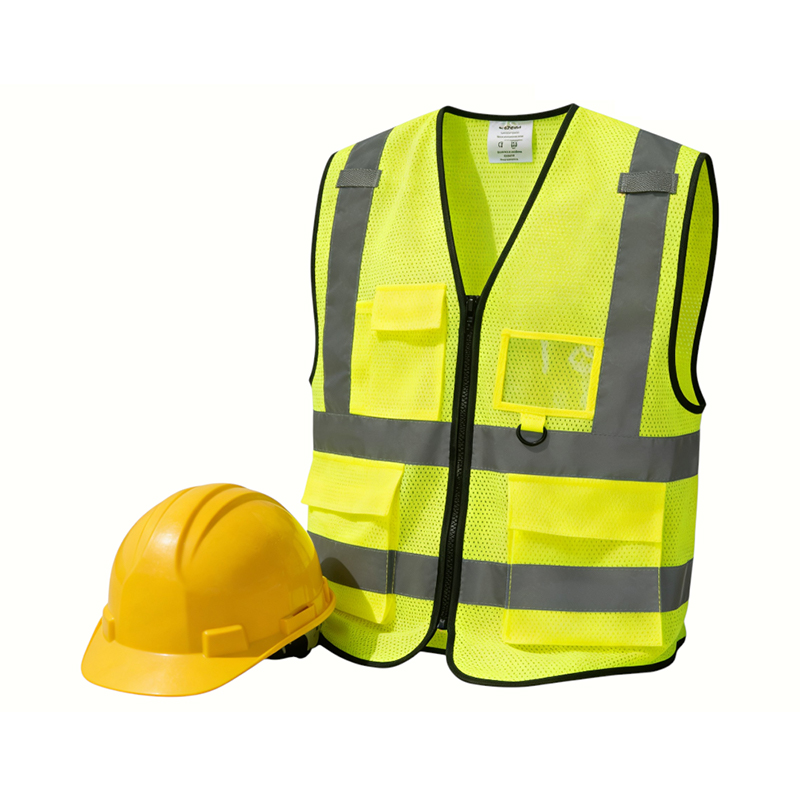
- Compatible with additional features like internal document pockets, D-rings, and radio loops without distorting the fabric shape.
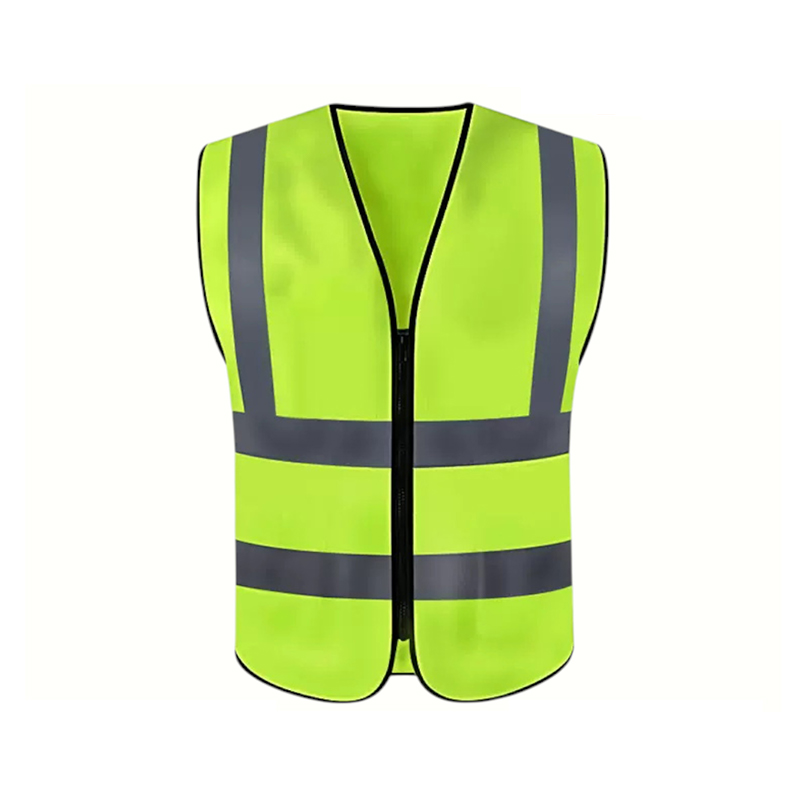
- Available with either zipper or Velcro closures, with black piping on edges to enhance visual contrast and tear resistance – a detail emphasized by quality reflective safety vest manufacturers.
Typical Application Scenarios
Solid fabric vests are the go-to choice for construction reflective vest applications in autumn and winter conditions, bridge inspection crews working near water, and railway maintenance teams exposed to persistent winds. They are also preferred for site supervisors and safety managers who require a more professional, uniform appearance. Many china reflective safety vest manufacturers produce solid fabric variants for European and North American markets where seasonal temperature variations are significant.
Differentiated Advantages Over Mesh
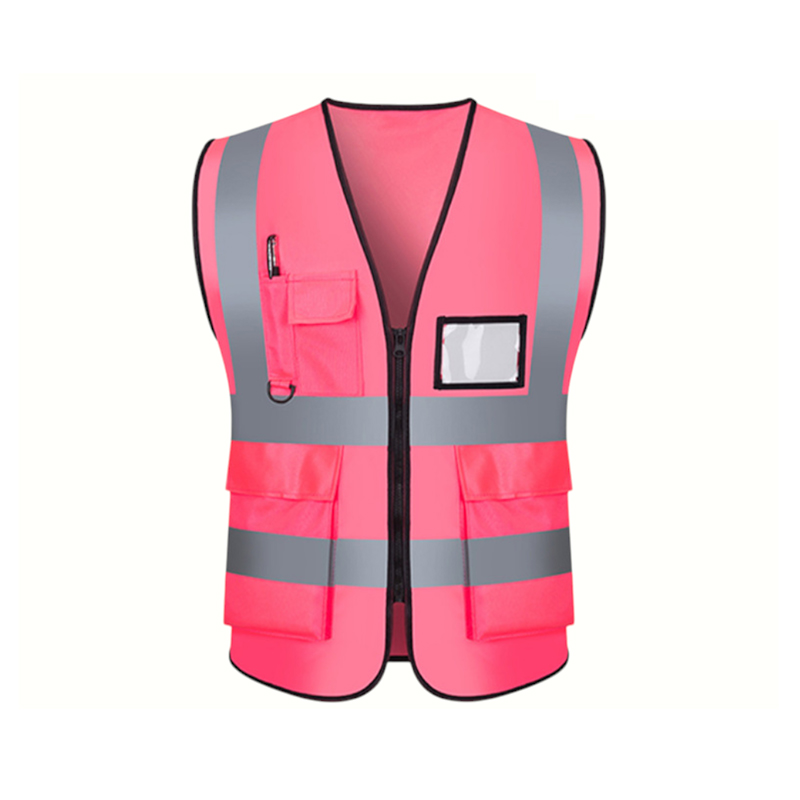
The solid construction offers superior protection against light precipitation, dust, and wind chill, which can be critical for worker comfort in non-summer months. It also provides a more stable platform for heavy pocket loads – for instance, a reflective vest with pockets designed for carrying radios, inspection tools, and clipboards performs better with solid fabric because the material does not stretch or sag under weight. Additionally, solid fabric vests tend to have a longer service life in abrasive environments, such as steel mills or scrap yards, where mesh would quickly fray.
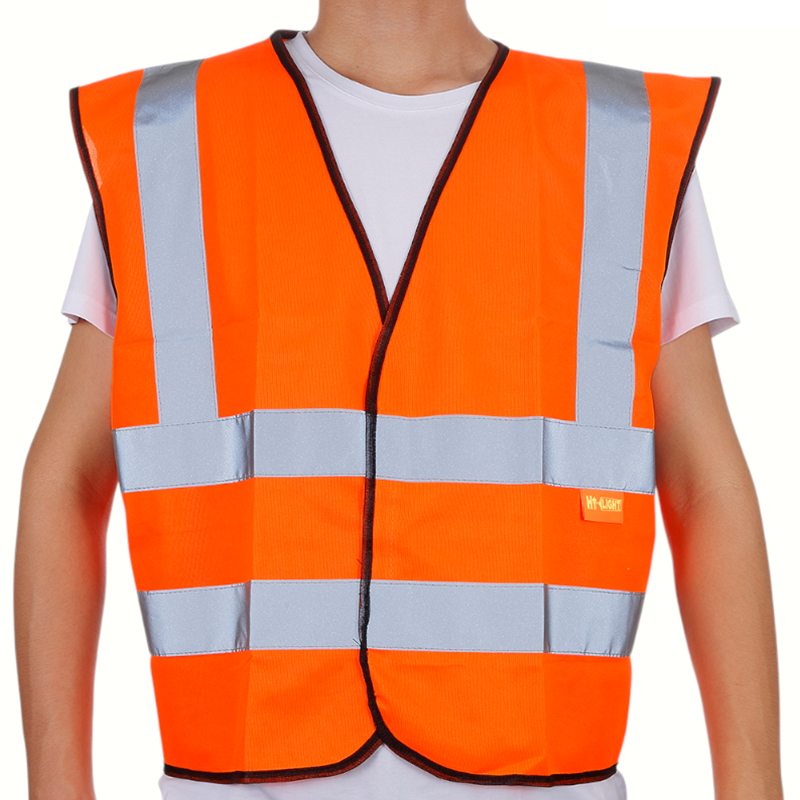
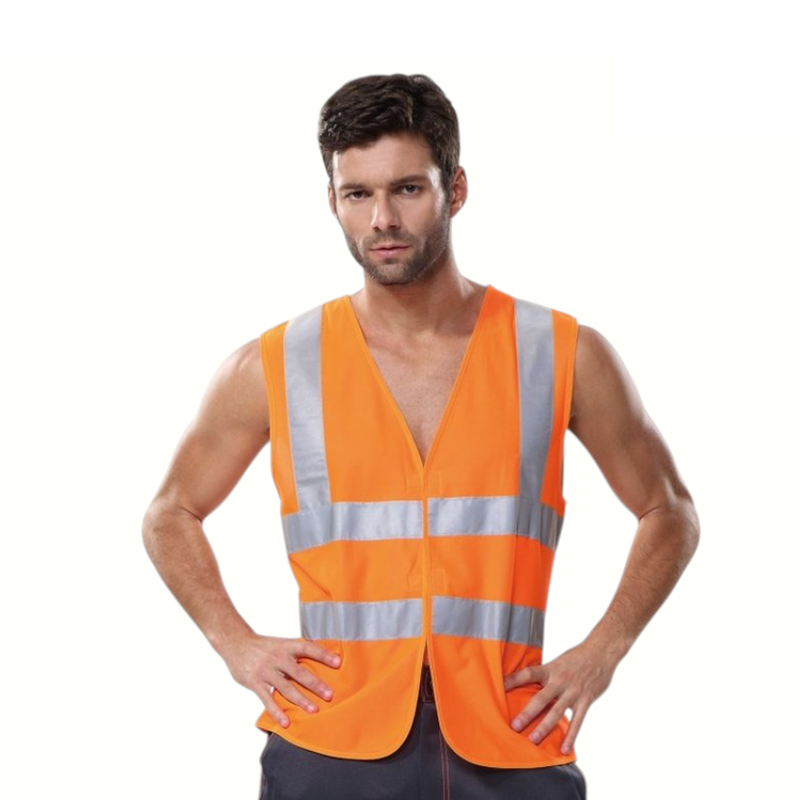
Hangzhou Lutai Import and Export Trading Co., Ltd. has developed a proprietary tricot solid fabric that maintains its shape after 50+ industrial washes, ensuring that the fluorescent orange reflective vest retains its high-visibility color for extended field use. Their factory-direct pricing and ISO 9001-certified production lines ensure consistent quality across all solid-fabric batches.
3. Hybrid and Application-Specific Solutions
Definition and Positioning
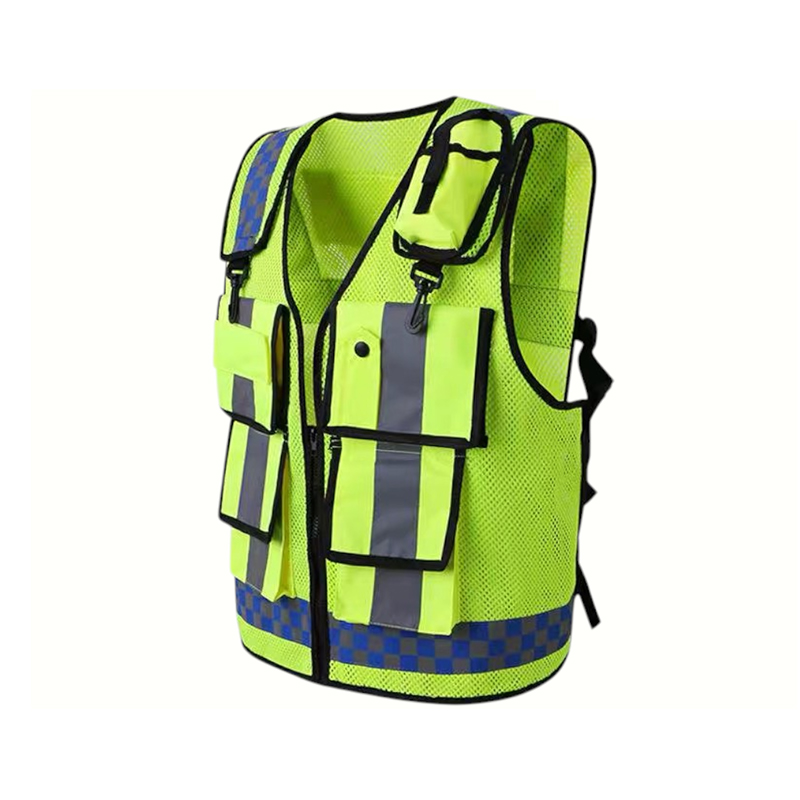
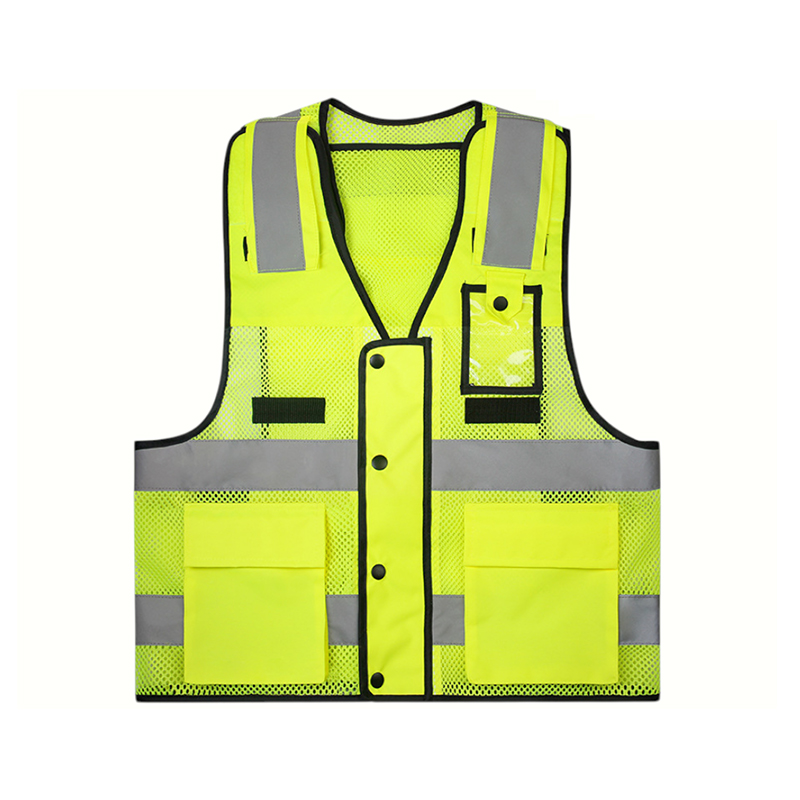
Some advanced models combine mesh panels on the back and sides with solid fabric on the front chest and shoulders. This hybrid approach seeks to balance breathability where heat accumulates most (the back) with durability where pockets and tools are attached (the front). These designs are becoming increasingly popular among reflective safety vest manufacturers who serve clients with mixed-environment work sites, such as tunnel construction where temperatures vary drastically between entrance and deep sections.
Core Functional and Technical Characteristics
- Zone-specific material engineering – mesh in high-sweat areas, solid in high-wear areas.
- Maintains full ANSI Class 2 or Class 3 retroreflective coverage across both fabric types.
- Often includes reinforced seams at the junction points to prevent delamination during washing.
- Supports custom size reflective safety vest orders with adjustable side straps for a tailored fit over different base layers.
- Available in both zipper and breakaway configurations for emergency removal.
Typical Application Scenarios
Hybrid vests are ideal for utility linemen, oil rig workers, and emergency response teams who transition between indoor control rooms and outdoor field operations within a single shift. They are also recommended for construction reflective vest roles that involve both active physical work and stationary supervision, as the design adapts to changing metabolic demands.
Differentiated Advantages
The hybrid approach offers the best compromise for organizations that cannot afford separate summer and winter vest inventories. It reduces total procurement costs and simplifies logistics. Moreover, it allows china reflective safety vest manufacturers to offer a single SKU that satisfies a broader range of OSHA and EN ISO 20471 compliance requirements, making it a smart choice for multinational contractors.
Hangzhou Lutai Import and Export Trading Co., Ltd. excels in custom hybrid designs, leveraging its two manufacturing bases in Taizhou and Henan to deliver rapid prototyping and bulk orders. Their engineering team works closely with clients to map heat zones and abrasion points, ensuring that the final ansi certified high-visibility breathable lightweight multi-functional safety vest perfectly matches the operational profile. With a global footprint spanning the USA, Europe, and Asia-Pacific, they have supplied hybrid vests to several large-scale infrastructure projects with rigorous safety demands.
Comparative Overview: Mesh vs. Solid vs. Hybrid
| Feature |
Mesh Fabric |
Solid Fabric |
Hybrid (Mesh + Solid) |
| Airflow Rating |
High (Excellent) |
Low |
Moderate-High |
| Wind Protection |
Minimal |
High |
Moderate |
| Abrasion Resistance |
Moderate |
High |
High (front) / Moderate (back) |
| Pocket Load Capacity |
Limited |
Excellent |
Good (solid front) |
| Best Use Climate |
Hot / Humid |
Cool / Windy / Light Rain |
Variable / Transitional |
| Typical Weight (g/m²) |
120–150 |
200–280 |
160–220 |
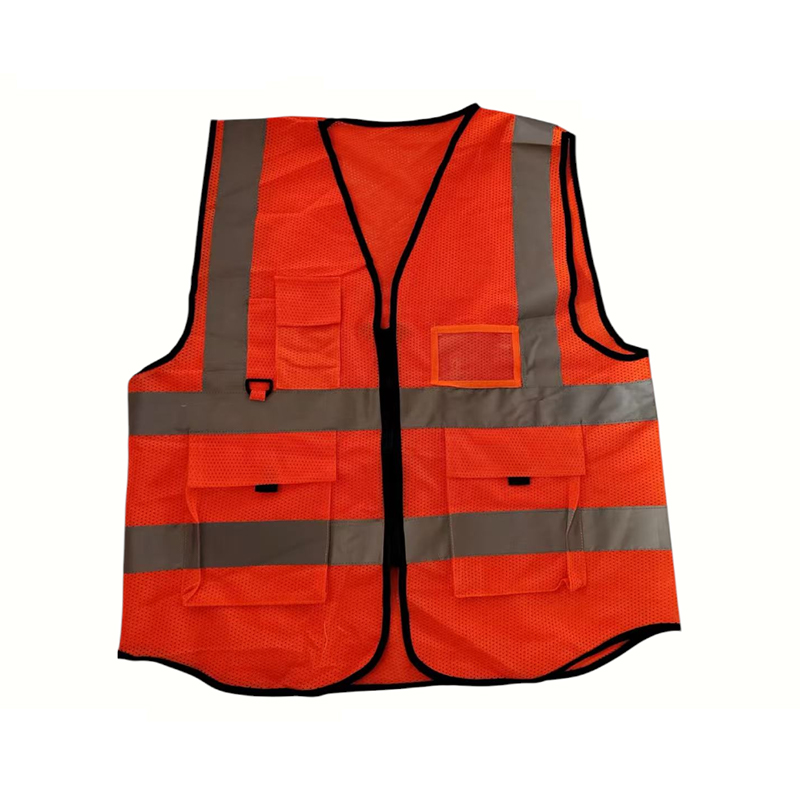
This table clearly illustrates that no single fabric type dominates across all metrics. The choice must align with the specific work environment, seasonal conditions, and the physical demands of the job. For instance, a breathable reflective work vest with mesh is indispensable for road crews in Arizona summers, while a solid fluorescent orange reflective vest with reinforced pockets is better suited for mining inspectors in cooler mountain regions.
Frequently Asked Questions
Q1: Which fabric type offers better visibility at night – mesh or solid?
Both mesh and solid vests can meet the same ANSI/ISEA 107 retroreflective requirements, provided they are equipped with the appropriate two-inch reflective strips. The backing fabric does not affect the reflective performance of the tape itself. However, solid fabric tends to hold the reflective material more flatly over time, which may slightly improve angular reflectivity. For consistent performance, always choose ansi certified high-visibility breathable lightweight multi-functional safety vest models from reputable reflective vest factory sources that conduct wash-durability tests on the reflective materials.
Q2: Can I have my company logo printed on a mesh safety vest?
Yes, but it requires specialized screen-printing or heat-transfer techniques that account for the open weave. Many custom printed reflective safety vest orders use a solid fabric panel inserted into the mesh for logo placement, or they apply the logo onto a solid chest area. Hangzhou Lutai Import and Export Trading Co., Ltd. offers both options and provides design proofs before production to ensure clarity and durability of the branding.
Q3: How do I choose between a zipper and a Velcro closure for my safety vest?
Zipper closures provide a more secure fit and a professional look, making them ideal for supervisors and public-facing roles. Velcro (breakaway) closures are preferred for emergency rapid removal – for example, if the vest gets caught in rotating machinery. Both closure types are available for mesh, solid, and hybrid vests. Leading china reflective safety vest manufacturers typically offer both options, and Hangzhou Lutai can customize closures based on your risk assessment.
Q4: What is the recommended washing method to preserve reflective performance?
For any reflective vest with pockets or without, it is recommended to wash in cold water (below 40°C) with mild detergent, avoid bleach and fabric softeners, and air-dry away from direct heat. Tumble drying can damage the reflective microprisms. Hangzhou Lutai Import and Export Trading Co., Ltd. conducts 50+ wash cycles in their quality lab to verify that their breathable reflective work vest and solid models maintain the required retroreflectivity coefficients per EN ISO 20471 and ANSI standards. Always refer to the care label attached to your specific vest.
In conclusion, the difference between mesh and solid fabric safety vests extends far beyond aesthetics. It is a functional decision that impacts worker thermoregulation, equipment carrying capacity, durability, and compliance longevity. By partnering with experienced suppliers like Hangzhou Lutai Import and Export Trading Co., Ltd., safety managers can obtain tailored ansi certified high-visibility breathable lightweight multi-functional safety vest solutions that match their unique operational profiles. Whether you prioritize maximum airflow, rugged all-weather performance, or a strategic hybrid, the right fabric choice – backed by rigorous quality control and global certification – ensures that your team stays both visible and comfortable throughout every shift.



 Español