Why Choose a Cone-Mounted Barrier Over a Floor-Standing Stanchion?
When designing a temporary crowd control or hazard perimeter system, safety managers and facility operators frequently face a fundamental choice: should they deploy a floor-standing retractable stanchion or a cone-mounted barrier solution? While both serve to guide pedestrian flow and restrict access, the cone-top retractable belt barrier with 4-way connection offers distinct operational, logistical, and cost advantages that make it the preferred choice for dynamic environments such as construction sites, airports, and traffic incident zones. This article examines the technical, practical, and economic reasons why cone-mounted systems increasingly outperform traditional floor-standing stanchions, supported by real-world application data and manufacturing expertise from leading retractable warning belt manufacturers.
1. Fundamental Design Philosophy: Mobility vs. Permanence
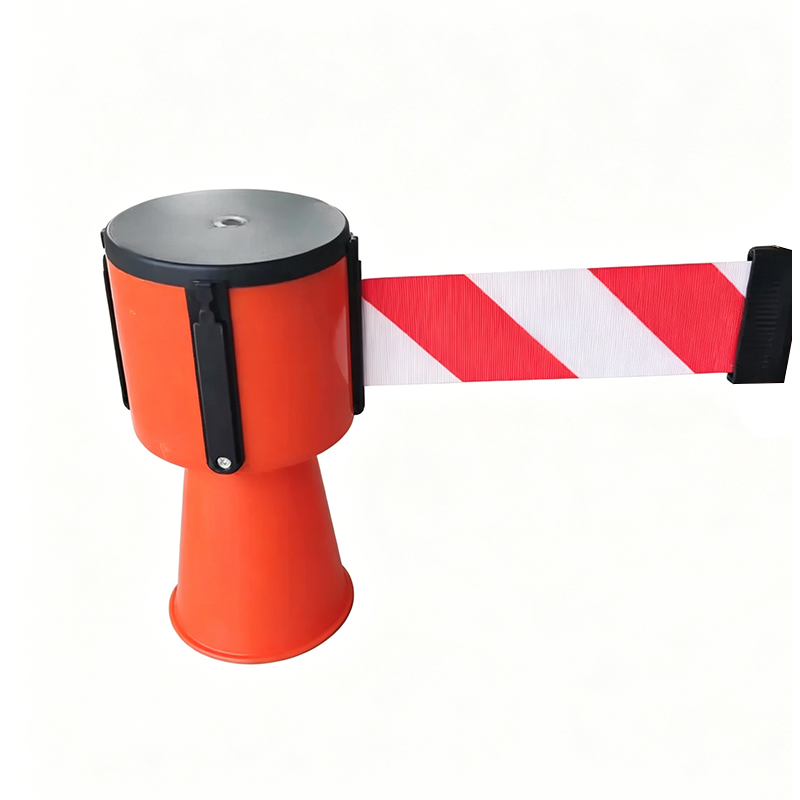
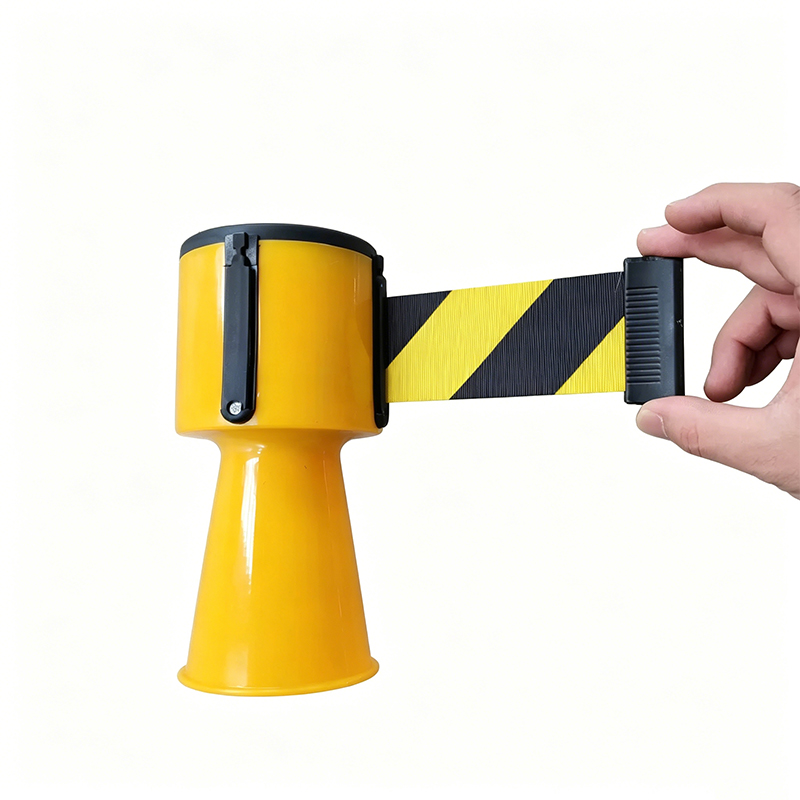
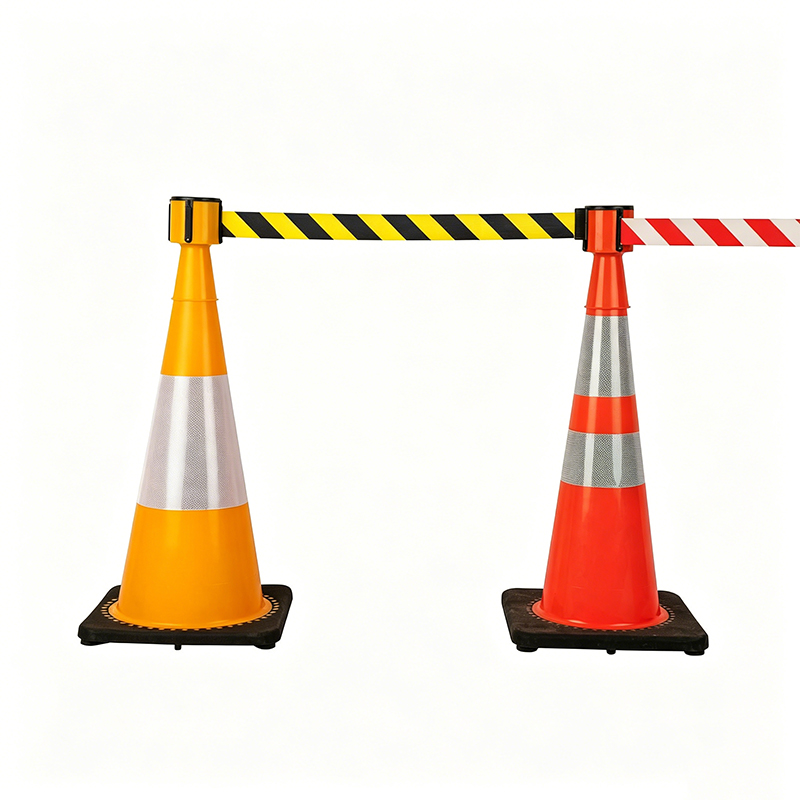
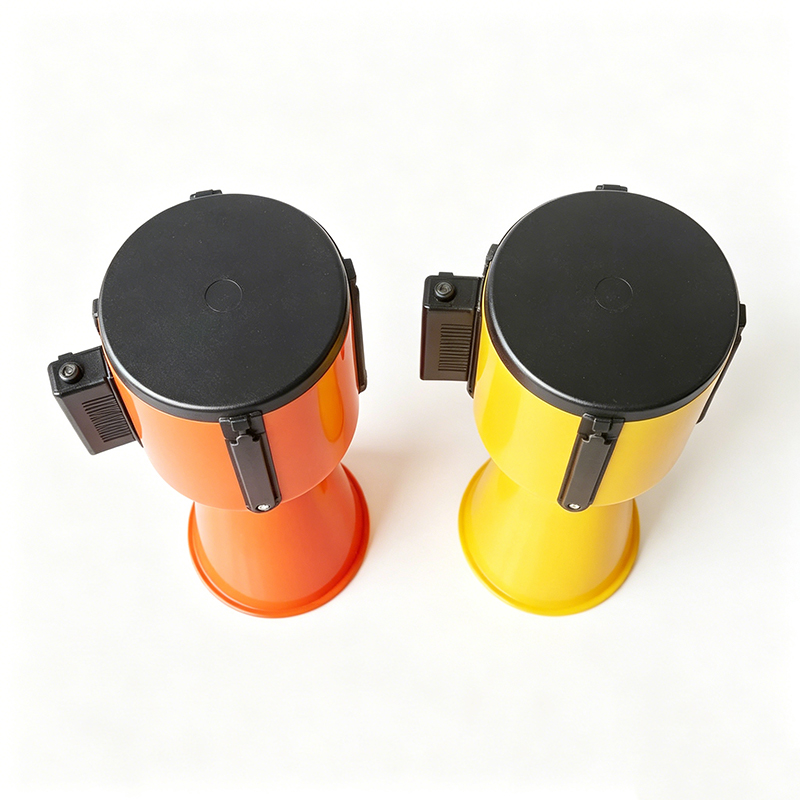
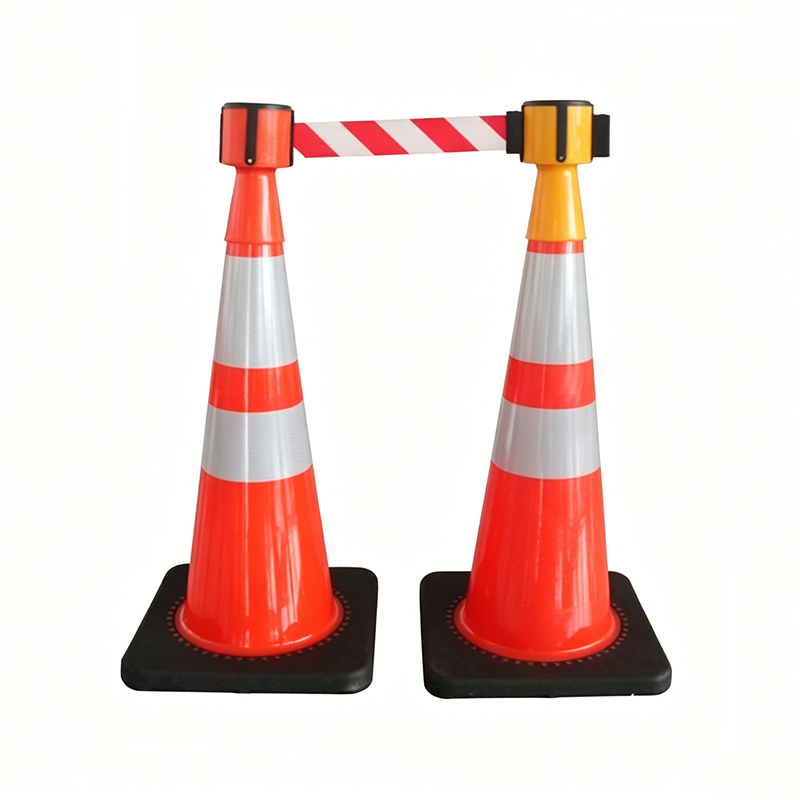
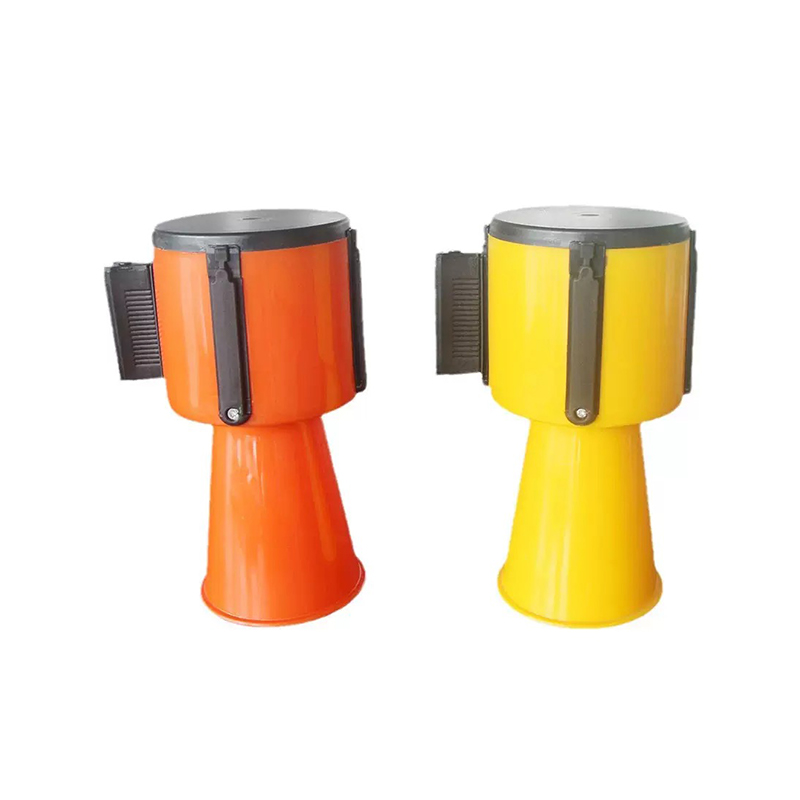
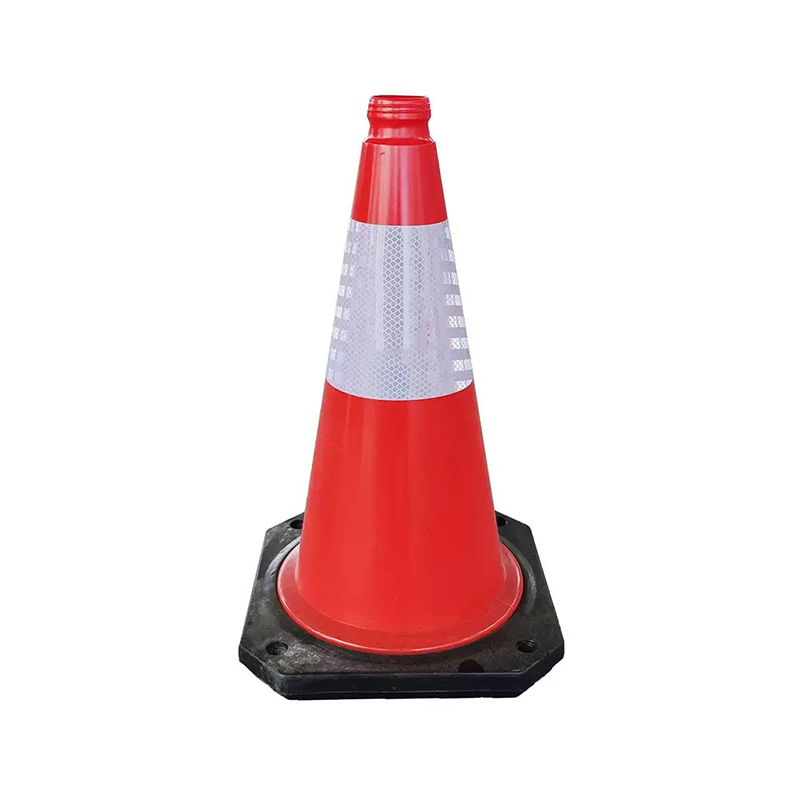
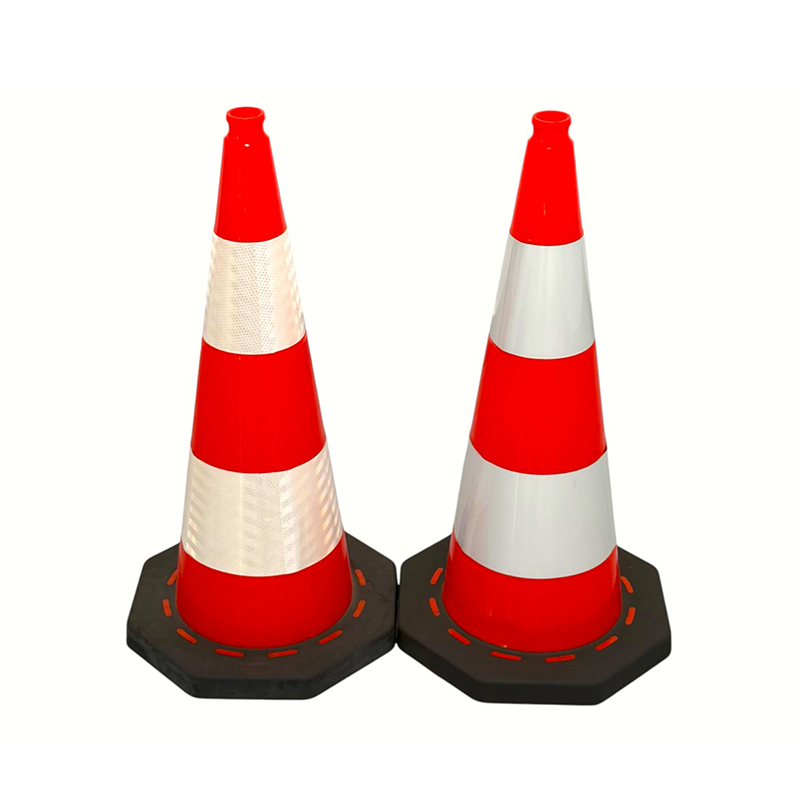
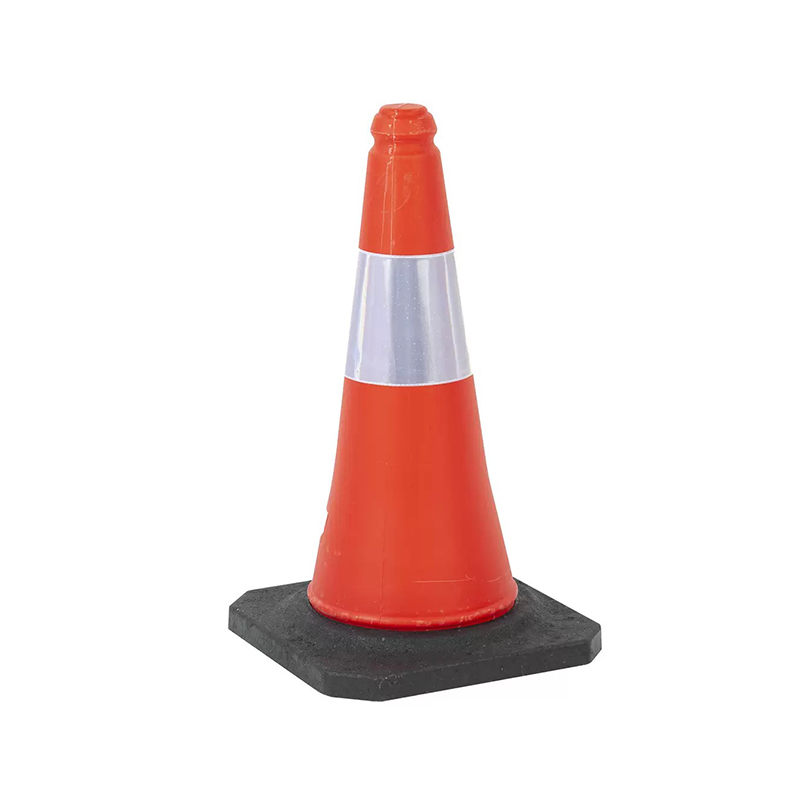
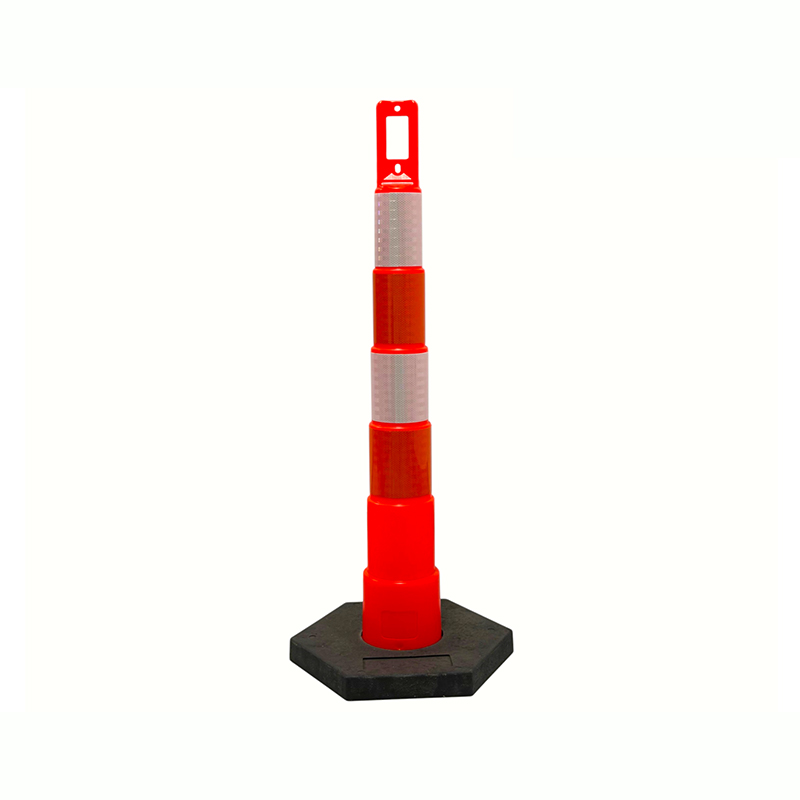
The core distinction lies in the anchoring principle. A floor-standing stanchion relies on a heavy base plate—typically cast iron or filled with sand—to provide stability. This fixed-base design works well in semi-permanent indoor queues but becomes a burden when layouts change hourly. In contrast, the cone-top retractable belt barrier with 4-way connection leverages the existing weight and visibility of a standard traffic cone as its foundation. By sliding the barrier unit over the cone's apex, the system inherits the cone's portability and high-contrast coloration without adding significant bulk. This design, perfected by experienced crowd control barrier belt factory engineers, reduces storage space by up to 60% compared to stanchion bases, as multiple units can nest inside one another.
Furthermore, the tapered cone interface ensures a friction-fit that does not require tools for installation or removal. Field tests conducted by china retractable safety belt manufacturers demonstrate that a single worker can deploy 30 cone-mounted barriers in the time required to set up 10 floor-standing stanchions—a productivity gain that directly translates to labor savings and faster emergency response.
1.1 Weight and Portability Comparison
| Feature |
Cone-Top Barrier (with cone) |
Floor-Standing Stanchion |
| Average unit weight |
1.8 – 2.5 kg (barrier + cone) |
6.5 – 12 kg (base only) |
| Storage footprint (per 10 units) |
0.6 m³ (nested cones) |
1.8 m³ (stacked bases) |
| Setup time per 20-meter barrier line |
4 minutes (single person) |
12 minutes (single person) |
2. 4-Way Connection: The Decisive Advantage in Layout Flexibility
Floor-standing stanchions typically offer only a 2‑way or 3‑way belt attachment, restricting angles to straight lines or 90° corners. The cone-top retractable belt barrier with 4-way connection incorporates four independent belt slots arranged at 90° intervals around the housing. This allows simultaneous belt extensions in four cardinal directions, enabling the creation of complex enclosures—such as octagonal safety zones, serpentine queues, or multi-directional hazard perimeters—without additional corner pieces. This feature is especially valued by retractable stanchion belt designers who work with airport ground crews and event organizers.
Consider a temporary aircraft maintenance zone: ground handlers need to cordon off both the wing area and the tail section from a single anchor point. A floor-standing stanchion would require two separate units, increasing trip hazards. With the 4‑way connection, one cone-top unit deploys two belts at 180° for the wing perimeter and a third belt at 90° for the tail approach—all while maintaining a stable low center of gravity because the cone itself acts as the ballast. This multi-directional capability is a hallmark of high-quality yellow black warning retractable belt systems produced by specialized factories.
2.1 Typical Configurations Enabled by 4-Way Connection
- Closed-loop perimeter: four belts connect to adjacent cone-top units, forming a rectangular or polygonal restricted area without gaps.
- Branching pathways: one unit splits pedestrian flow into two or three directions—ideal for airport security lanes or hospital triage.
- Hazard radial warning: extend belts outward from a central hazard (e.g., manhole or spill) to create a 360° exclusion zone.
- Temporary lane merge: at construction sites, angled belts guide merging traffic without requiring custom-fabricated corner stanchions.
3. Durability and Environmental Adaptability
Floor-standing stanchions are predominantly designed for indoor use; their metallic bases and chrome-plated posts suffer corrosion, fading, and seal degradation when exposed to rain, dust, or UV radiation. Conversely, the cone-top retractable belt barrier with 4-way connection is engineered for harsh outdoor conditions. Top-tier wholesale crowd control belt suppliers offer housings made of UV-stabilized ABS or polycarbonate, with belt webbing that resists water absorption and mildew. The cone itself, typically made of PVC or rubber, provides additional weather shielding for the lower belt mechanism.
Furthermore, the belt retraction spring is enclosed in a sealed cartridge, preventing grit ingress—a common failure point in stanchions used near construction zones. Many construction warning retractable belt models now include a controlled retraction brake that slows the belt's return speed, reducing snap-back injuries and extending spring life by an estimated 40% over standard stanchions. This durability is validated by Hangzhou Lutai Import and Export Trading Co., Ltd., whose in-house testing lab simulates 50,000 extension-retraction cycles under dust and saline spray conditions, far exceeding the 20,000-cycle typical for floor-standing units.
3.1 Key Durability Specifications (outdoor rating)
- Operating temperature range: -30°C to +70°C (vs. +5°C to +40°C for most stanchions).
- UV resistance: >500 hours QUV testing with no color fading (ASTM G154).
- Belt tensile strength: ≥ 500 N (yellow-black polyester webbing).
- Housing impact resistance: IK07 rating (1.5J impact).
4. Economic and Logistics Advantages
From a procurement perspective, cone-mounted barriers eliminate the need for heavy base plates, reducing both material costs and shipping weight. A typical floor-standing stanchion costs between $45 and $90 per unit, whereas a cone-top barrier—excluding the cone—retails for $18 to $35, depending on belt length and reflectivity. For large-scale users, sourcing directly from a china retractable safety belt manufacturers network can further reduce per-unit costs by 20-30% through bulk container shipping.
Hangzhou Lutai Import and Export Trading Co., Ltd. operates two manufacturing bases in Taizhou and Henan, offering factory-direct pricing with rigorous ISO 9001 quality control. Their OEM/ODM capabilities allow clients to specify custom printed warning retractable belt with logos, safety messages, or barcodes—a service rarely offered for stanchion belts due to their narrower webbing and complex disassembly. Additionally, the long retractable safety belt option (up to 5 meters) gives cone-top systems a reach advantage, reducing the total number of units required for a given perimeter length, which directly lowers total cost of ownership.
| Cost Factor |
Cone-Top Barrier |
Floor-Standing Stanchion |
| Average unit price (USD) |
$22 – $35 (barrier only) |
$55 – $90 |
| Shipping weight per 100 units |
~220 kg (barriers, cones sold separately) |
~850 kg (including bases) |
| Belt replacement cost |
$6 – $12 (tool-less swap) |
$15 – $25 (requires disassembly) |
| Custom printing feasibility |
High (OEM/ODM supported) |
Limited (belt width often < 50 mm) |
5. Application-Specific Advantages: Airports, Traffic, and Events
In airport terminals, the airport crowd control belt version of the cone-top barrier is increasingly replacing floor-standing stanchions because it can be rapidly repositioned between flight arrivals without causing floor damage (stanchion bases often scratch polished concrete). The 4‑way connection enables TSA agents to create both snake-line queues and temporary "skip" lanes for diplomatic delegations—all from a single unit type. Similarly, traffic incident responders favor the traffic hazard warning belt variant because its cone mount is already fluorescent orange, eliminating the need for separate warning posts.
For event organizers, the ability to add reflective retractable warning belt options ensures nighttime visibility without powered lighting. Hangzhou Lutai Import and Export Trading Co., Ltd. has supplied these reflective systems to major European music festivals, where feedback highlighted a 50% reduction in setup crew fatigue compared to their previous stanchion fleet. The company's commitment to CE and CNAS compliance guarantees that all belts meet EN 13567 and ANSI/ISEA 107 standards for high-visibility materials.
- Step 1: Assess the environment—indoor/outdoor, traffic speed, and weather exposure.
- Step 2: Choose belt length (2m, 3m, or 5m) based on average spacing between cones.
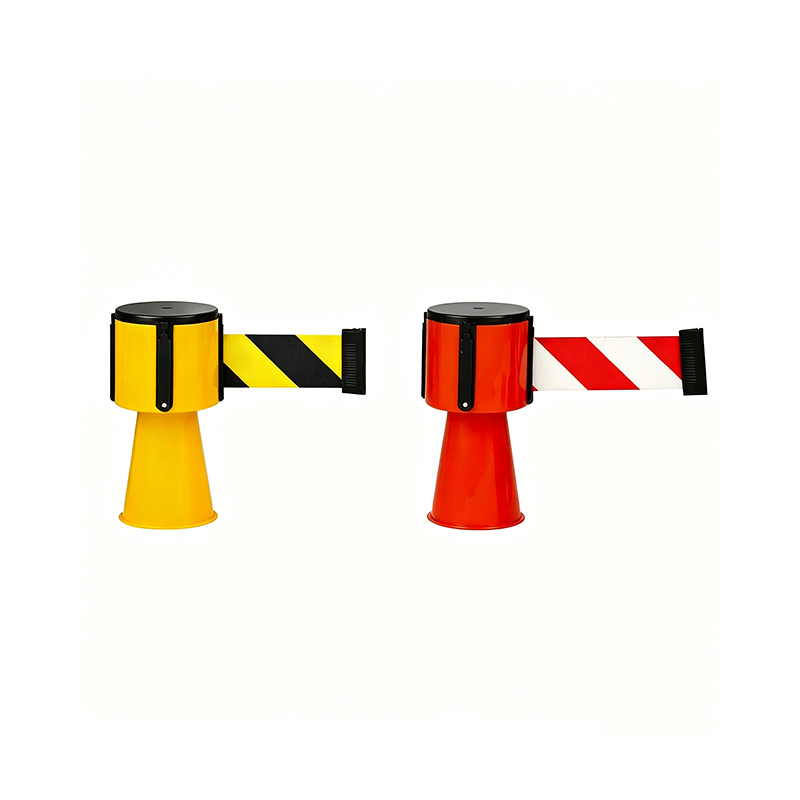
- Step 3: Select color scheme: yellow-black (standard warning) or orange-white (high-contrast for night work).
- Step 4: For permanent branding, request custom printing from your custom printed warning retractable belt supplier.
- Step 5: Deploy and adjust using the 4‑way connectors without additional hardware.
In summary, while floor-standing stanchions have a place in luxury retail or museum queues, the cone-mounted system—epitomized by the cone-top retractable belt barrier with 4-way connection—offers superior portability, multi-directional connectivity, environmental resilience, and cost-efficiency. Backed by manufacturing expertise from Hangzhou Lutai Import and Export Trading Co., Ltd., and available through global retractable warning belt manufacturers, this solution addresses the real-world demands of rapid setup, frequent reconfiguration, and harsh operational conditions. Its growing adoption across North America, Europe, and Asia-Pacific underscores a clear industry trend toward lighter, smarter, and more adaptable crowd control tools.
Frequently Asked Questions
Q1: What is the maximum working length of the cone-top retractable belt barrier?
The standard belt options are 2 meters, 3 meters, and 5 meters. The long retractable safety belt (5m) is recommended for open-area perimeters, while 2m belts are ideal for tight indoor corridors. All lengths are available with yellow-black or orange-white stripes.
Q2: Can the 4‑way connection work with existing traffic cones from other manufacturers?
Yes. The cone-top adapter is designed to fit standard 28–30 cm base diameter cones (commonly used in most countries). For non-standard cone sizes, Hangzhou Lutai Import and Export Trading Co., Ltd. offers custom-molded adapters through their OEM/ODM service, ensuring compatibility with your existing inventory.
Q3: How does the cone-mounted system compare to floor-standing stanchions in terms of belt retraction speed?
High-quality cone-top barriers feature a controlled retraction mechanism that slows the belt during the final 20% of travel, reducing snap-back force. This is superior to many budget stanchions that use uncontrolled spring retraction, which can cause belt whip and internal gear damage. Reputable wholesale crowd control belt suppliers offer both standard and controlled-retraction versions.
Q4: Are custom logos and safety messages printable on the belts?
Absolutely. As a custom printed warning retractable belt provider, Hangzhou Lutai supports full-color heat transfer or screen printing on the belt surface. Minimum order quantities for custom printing start at 500 pieces. This service is frequently utilized by airports, construction firms, and event management companies to reinforce brand identity and safety instructions.
Q5: Do you offer reflective belts for nighttime roadwork?
Yes. The reflective retractable warning belt option incorporates glass-bead retroreflective stripes that meet EN 20471 and ANSI 107 standards. These belts are particularly effective for traffic hazard warning belt applications on highways and during low-light conditions, providing visibility up to 150 meters under vehicle headlights.



 Español