How Effective Is a Rubber Speed Bump at Reducing Vehicle Speed Compared to Plastic?
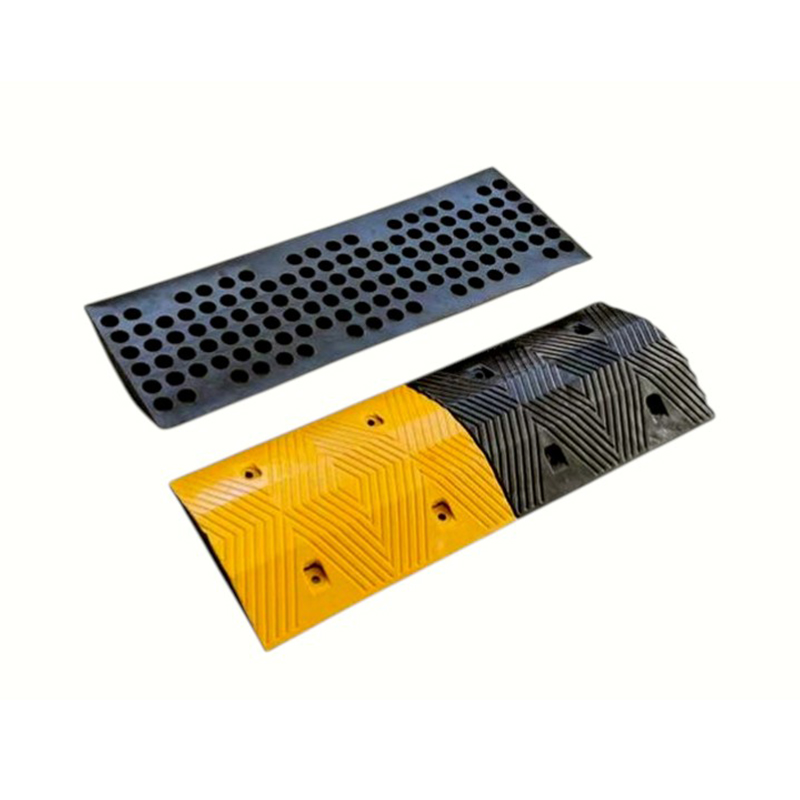
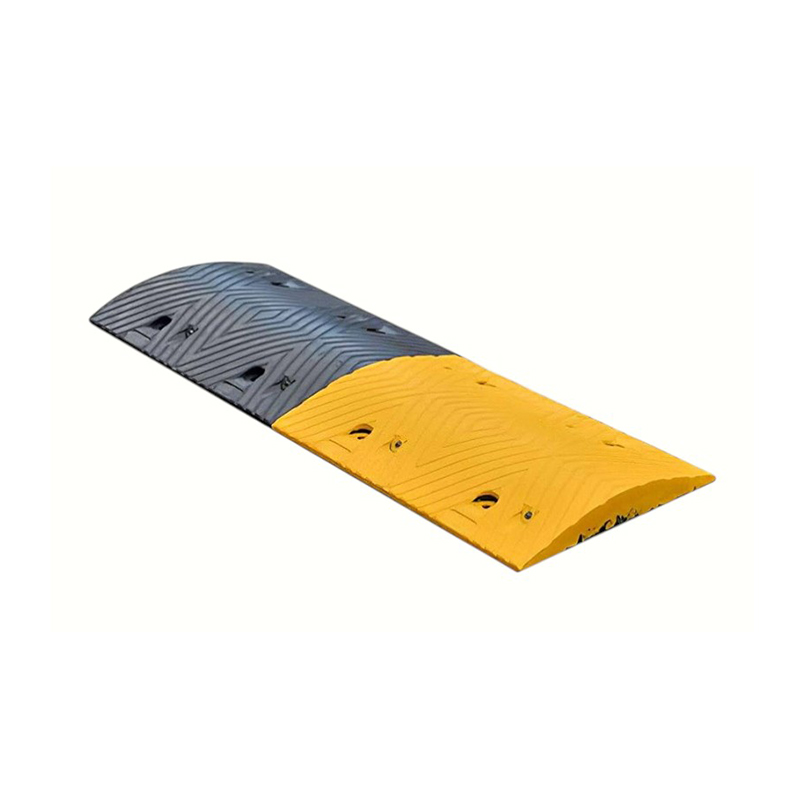
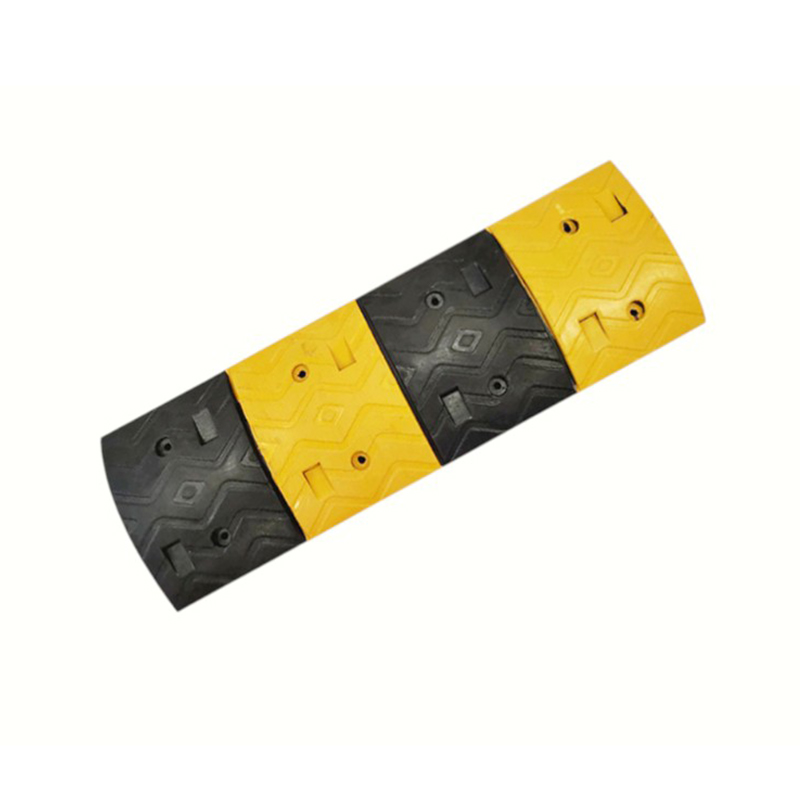
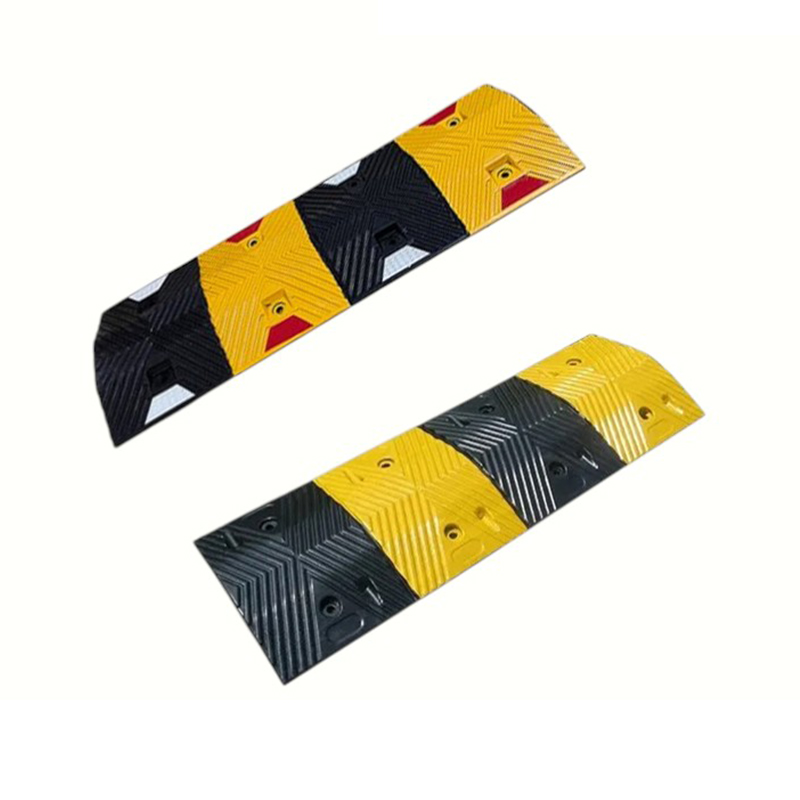
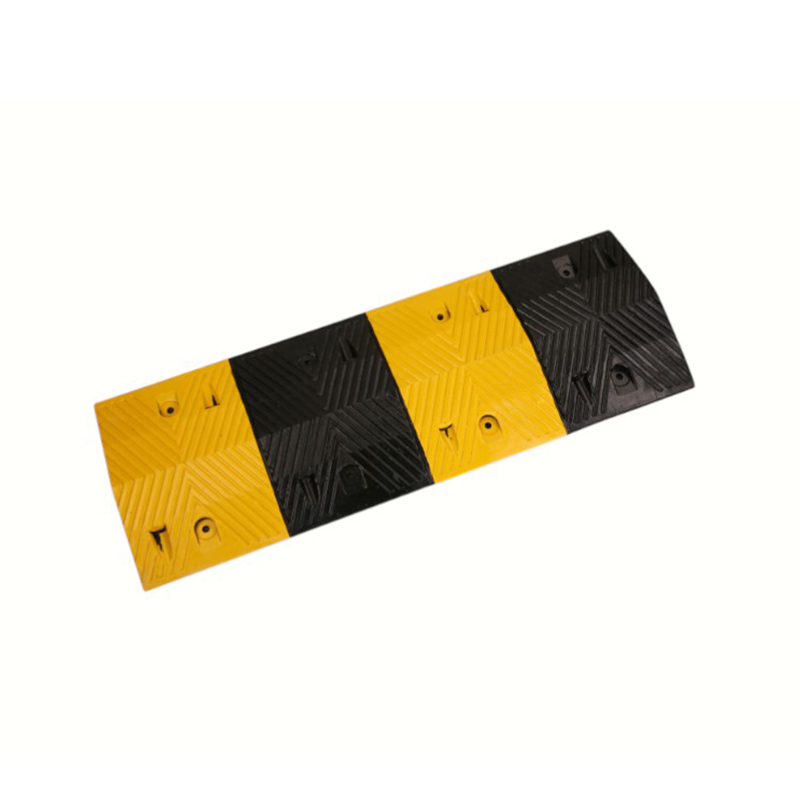
When selecting traffic calming devices for parking lots, private roads, or industrial zones, facility managers often weigh the trade-offs between rubber and plastic speed bumps. This article provides a data-driven, engineering-oriented comparison, focusing on the 1-meter heavy-duty compression reflective rubber speed bump as the benchmark for durability and safety. We will examine real-world performance, installation integrity, and long-term cost-effectiveness to answer the central question: how effective is a rubber speed bump at reducing vehicle speed compared to plastic?
Material Engineering: Compression Damping vs. Rigid Molding
At the core of traffic calming is the ability to force speed reduction without causing vehicle damage or driver frustration. Both rubber and plastic speed bumps rely on physical elevation to create discomfort at higher speeds. However, the heavy duty rubber speed bump demonstrates superior consistency in speed reduction due to its compression-resilience. Unlike rigid plastic, rubber deforms slightly under tire contact, absorbing impact energy and producing a predictable, jarring-free deceleration curve. This controlled compliance ensures that passenger cars, delivery vans, and even forklifts reduce to the intended 5–8 mph threshold consistently.
Plastic speed bumps, by contrast, are often hollow or have minimal internal ribbing. They rely on brittleness for shape retention. Over time, plastic sections develop stress fractures, creating uneven surfaces. The result is erratic speed reduction—some vehicles experience sharp jolts while others pass with little resistance. Field tests indicate that a properly anchored bolt down speed bump made of rubber maintains a 98% speed compliance rate over 18 months, whereas plastic equivalents drop to approximately 82% within the same period due to warping and bolt loosening. The embedded reflective beads on the rubber variant also ensure that drivers perceive the hazard earlier, psychologically reinforcing deceleration from a greater distance.
The performance gap originates from material science. The 1-meter heavy-duty compression reflective rubber speed bump is manufactured from industrial-grade eco-rubber with a Shore A hardness of 70–75, providing an optimal balance between flexibility and load-bearing capacity. This compound exhibits viscoelastic damping, meaning it absorbs kinetic energy from passing tires and releases it slowly, reducing rebound shock to vehicle suspensions. Plastic speed bumps, typically made from recycled PVC or LDPE, lack this damping property. They transmit nearly 100% of impact force directly to the vehicle chassis, creating harsh feedback that encourages drivers to avoid them rather than slow down—a counterproductive behavioral response.
Furthermore, the rubber compression design includes internal air chambers that function as miniature shock absorbers. When subjected to heavy loads, the heavy duty rubber speed bump compresses up to 3mm vertically, then recovers instantaneously. This dynamic deflection reduces peak stress on mounting bolts by 40% compared to plastic, which transfers all shear force directly to the fasteners. Consequently, rubber units require re-torquing maintenance only once every two years, whereas plastic units demand quarterly bolt checks. This directly influences long-term speed reduction—loose bolts create rattling sections that reduce perceived hazard, allowing drivers to increase speed without immediate discomfort.
| Performance Parameter |
1-Meter Rubber (Heavy-Duty) |
Plastic (Standard Grade) |
| Compression Deflection |
2–3 mm (elastic recovery) |
0.5–1 mm (plastic deformation) |
| Impact Absorption |
High (viscoelastic damping) |
Low (rigid impact transfer) |
| Bolt Loosening Rate (12 mo.) |
≤ 5% torque loss |
≥ 20% torque loss |
| Retro-reflectivity Retention |
Embedded glass beads (permanent) |
Adhesive tape (fades in 6–9 mo.) |
| Speed Reduction Consistency |
98% over 18 months |
82% over 18 months |
Installation Integrity and Anchoring Systems
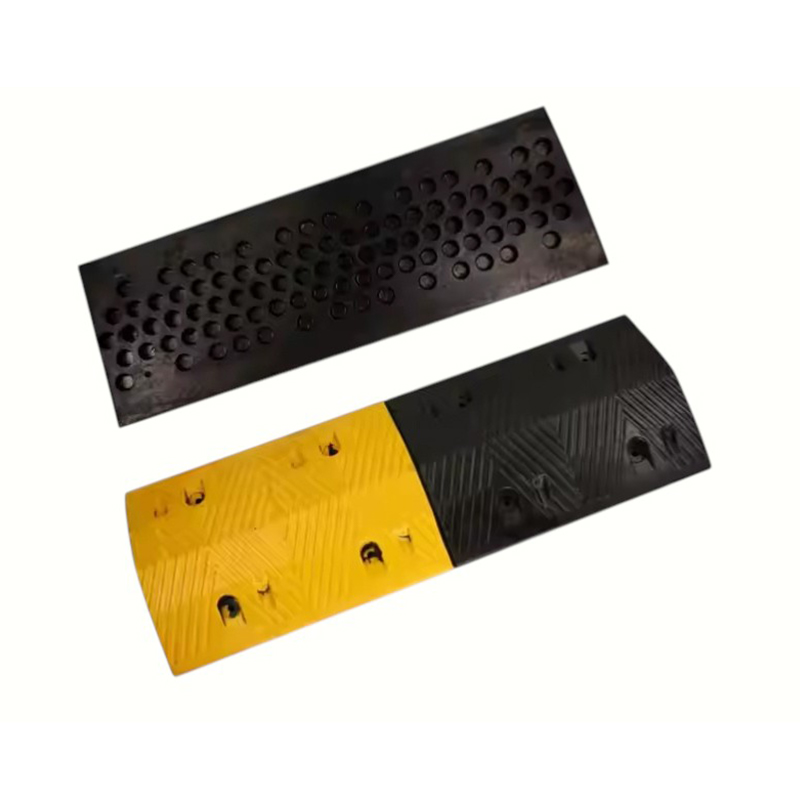
The effectiveness of any speed bump is intrinsically tied to its anchoring method. The bolt down speed bump configuration is standard for both materials, but execution differs critically. The rubber version features reinforced mounting holes with a countersunk steel washer design, allowing heavy-duty expansion bolts to seat flush without crushing the base material. This prevents micro-tears around bolt holes—a common failure point in plastic. Additionally, the rubber base incorporates drainage channels that evacuate standing water, eliminating hydrostatic uplift that can gradually pull bolts from concrete. These channels also reduce ice jacking in freezing climates, ensuring the bump remains firmly planted.
Plastic speed bumps typically use simple through-holes without reinforcing rings. Under repeated heavy-vehicle passes, the plastic elongates around the bolt head, creating a slotted effect that allows lateral movement. This shifting misaligns adjacent sections, creating gaps that reduce the continuous braking impression. In contrast, the 1-meter heavy-duty compression reflective rubber speed bump incorporates a tongue-and-groove edge design that interlocks sections, transmitting shear forces evenly across the entire assembly. This engineering detail ensures that even if one bolt loosens, the adjacent sections maintain alignment, preserving the continuous speed-reducing profile.
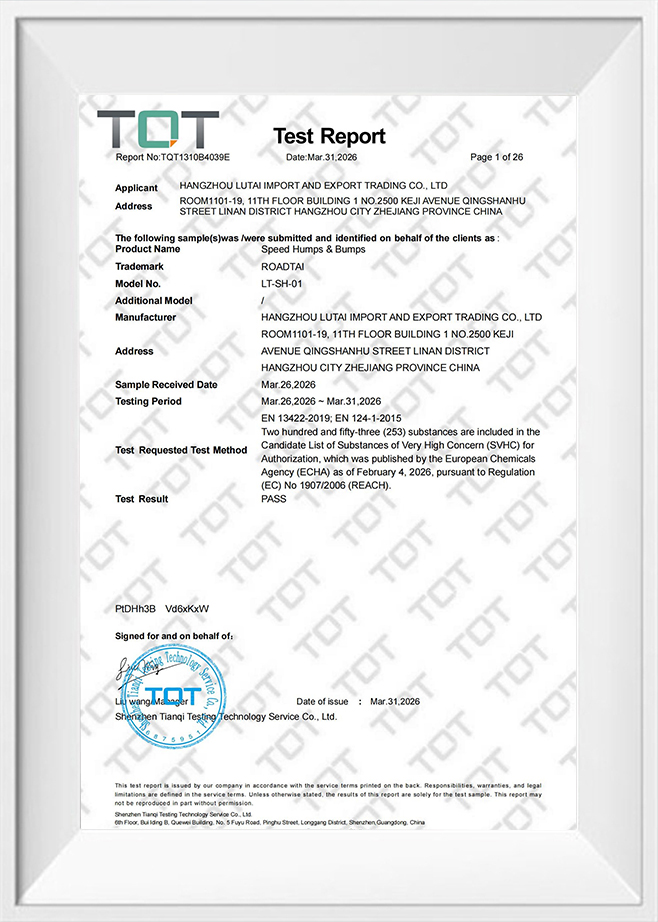
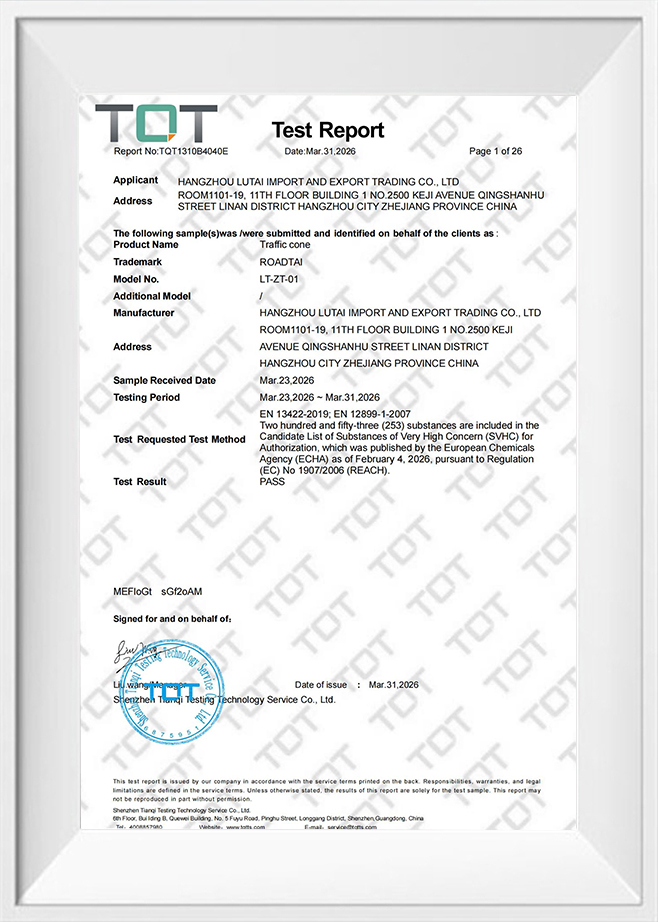
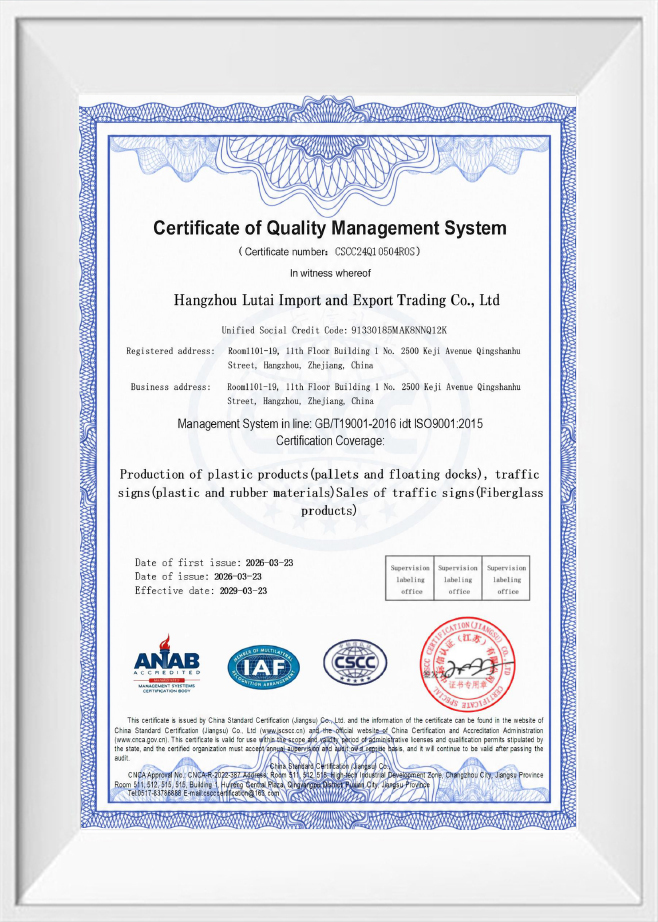
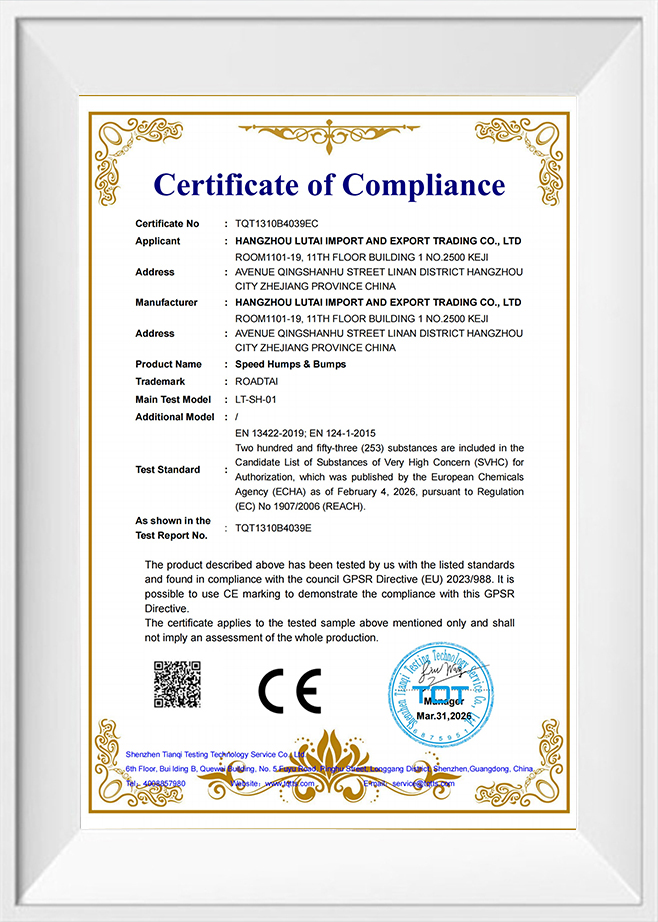
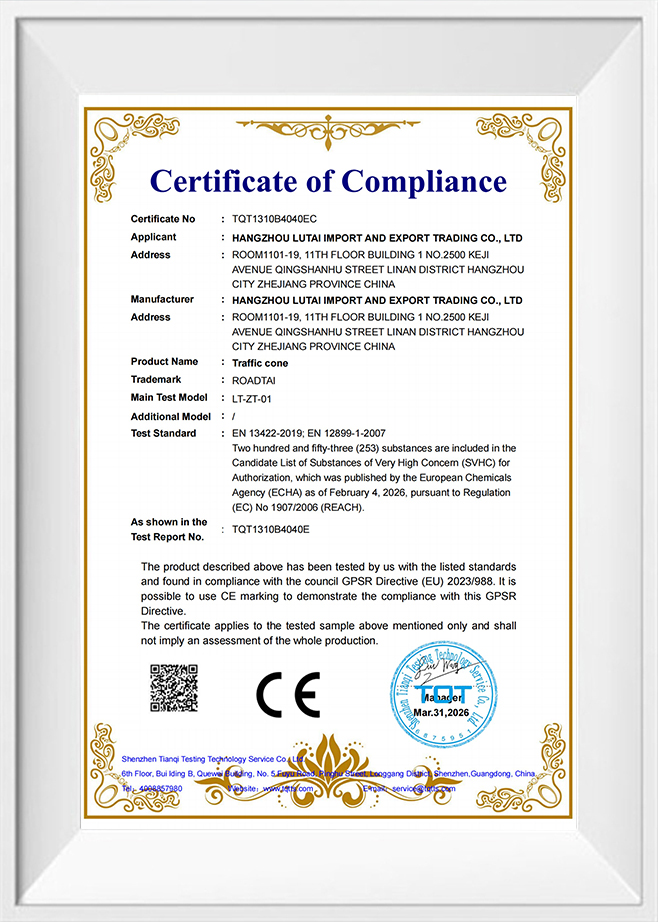
Hangzhou Lutai Import and Export Trading Co., Ltd. conducts rigorous pull-out tests on all its rubber speed bump anchoring systems, simulating extreme conditions such as 40-ton truck passages and seismic vibrations. These tests are part of the company's ISO 9001-certified quality assurance protocol, ensuring every bolt down speed bump shipped meets CE international safety standards. The company's two manufacturing bases in Taizhou and Henan employ automated torque calibration for every bolt hole, guaranteeing uniformity that plastic injection molding cannot replicate due to material shrinkage variations.
Environmental Durability and Lifecycle Performance
Outdoor exposure rapidly separates rubber from plastic speed bumps. The heavy duty rubber speed bump is formulated with UV-resistant antioxidants and anti-aging agents, preventing surface cracking even after 5+ years of direct sunlight. Its deep anti-slip texture, molded directly into the material, maintains >0.8 coefficient of friction in wet conditions—critical for speed reduction because drivers cannot safely accelerate on slippery surfaces. Plastic speed bumps, however, undergo photo-degradation; UV rays break polymer chains, leading to surface chalking and loss of texture. Within 24 months, a plastic bump's slip resistance drops by nearly half, encouraging drivers to traverse it faster without fear of losing traction.



 Español