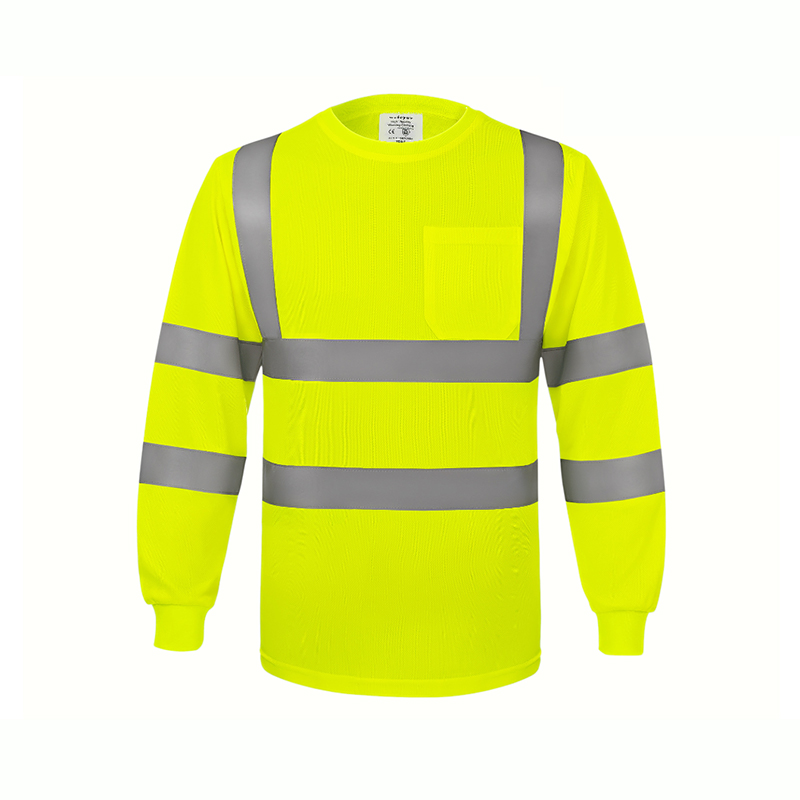
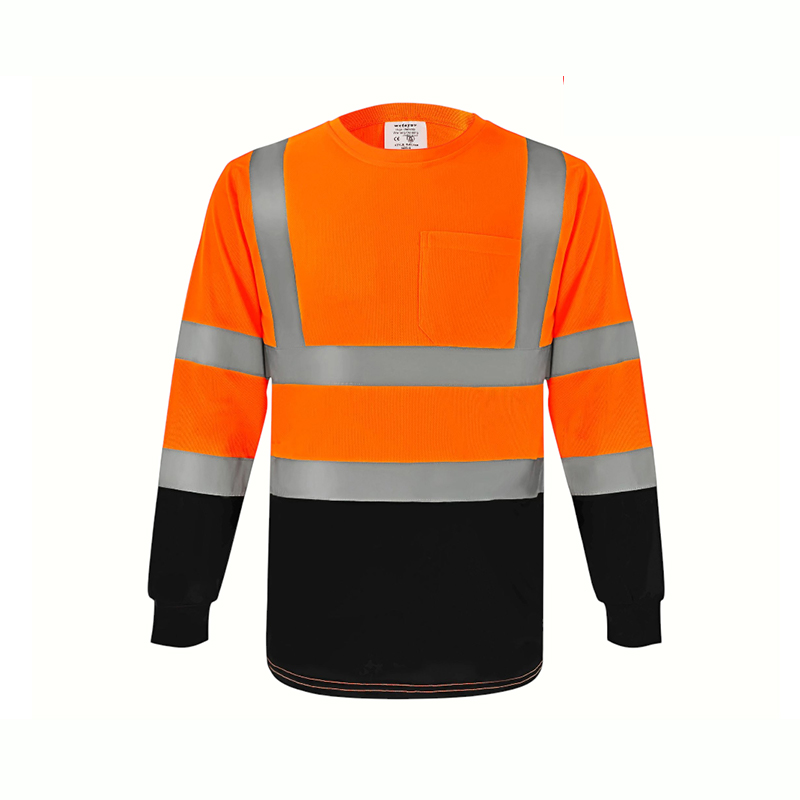
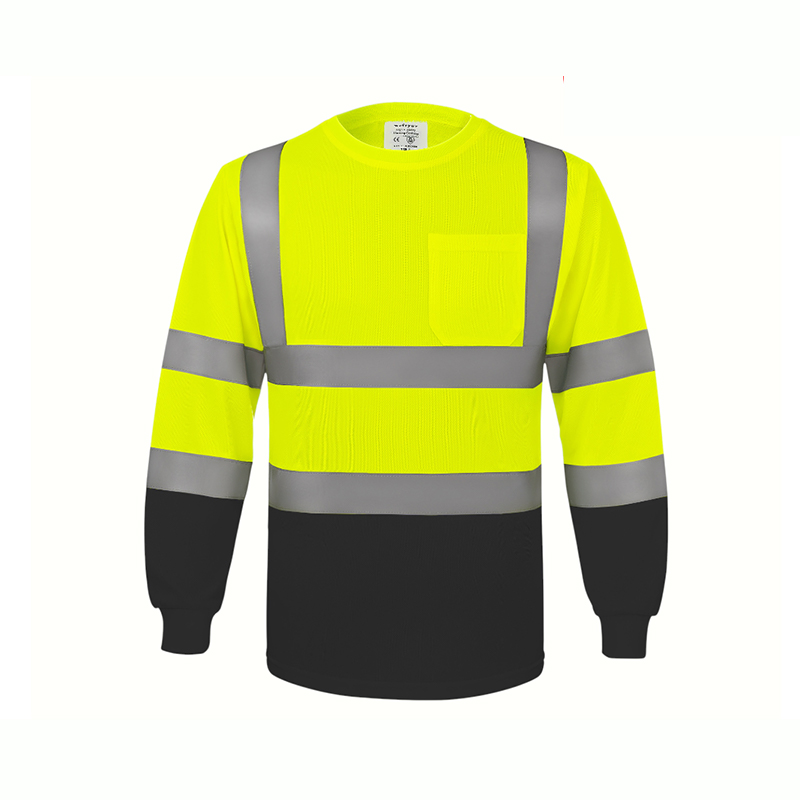
Why Is Oxford Fabric Preferred for High-Visibility Workwear and Safety Apparel?
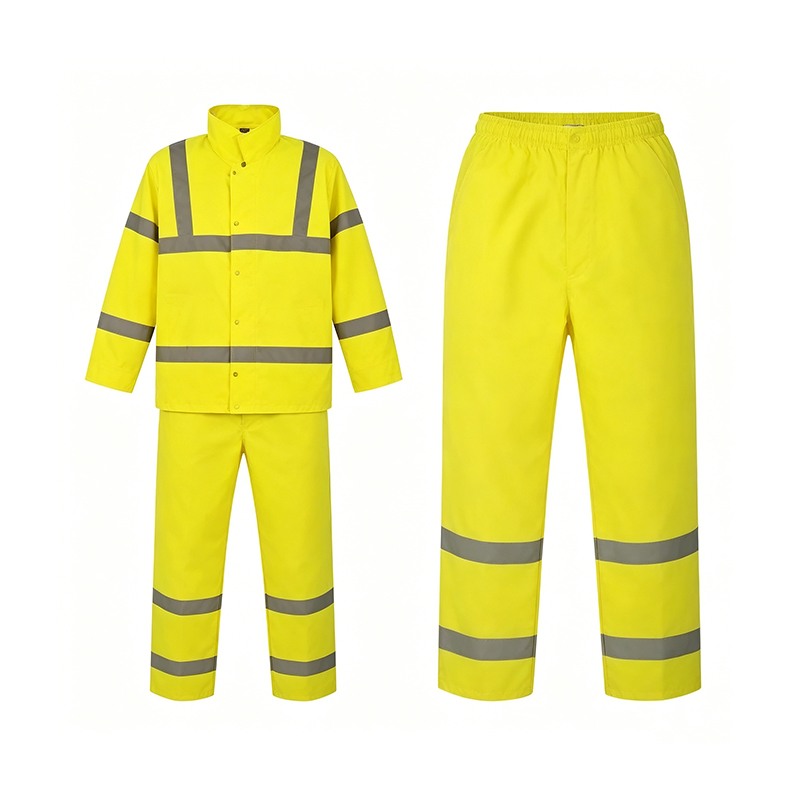
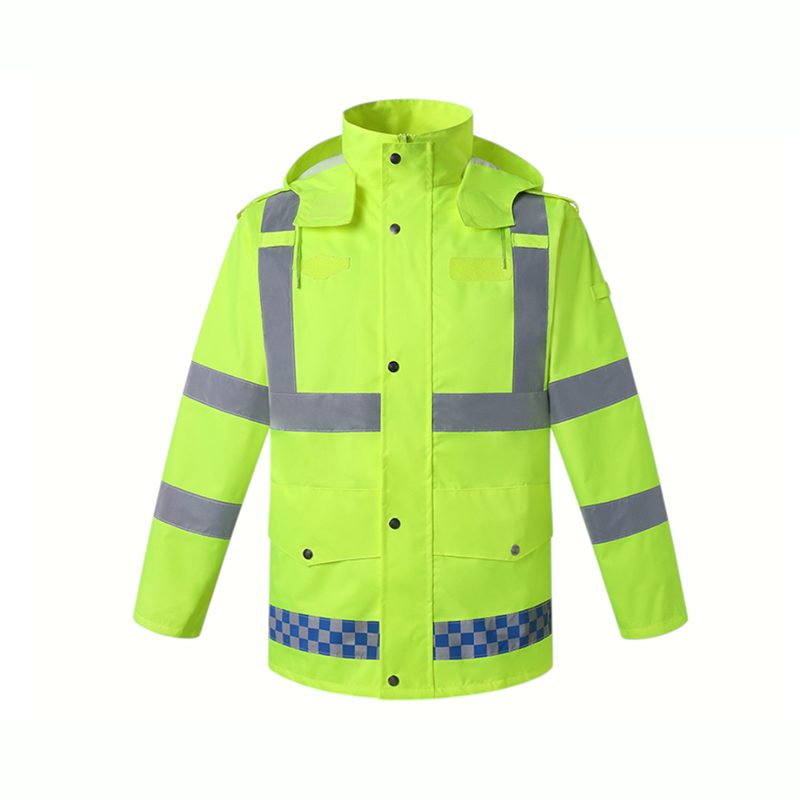
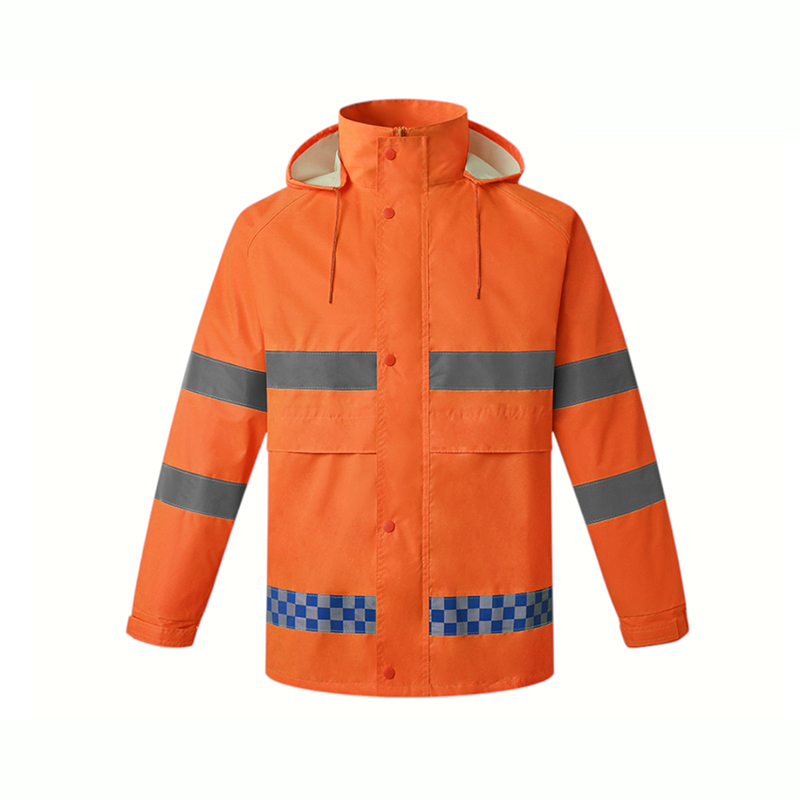
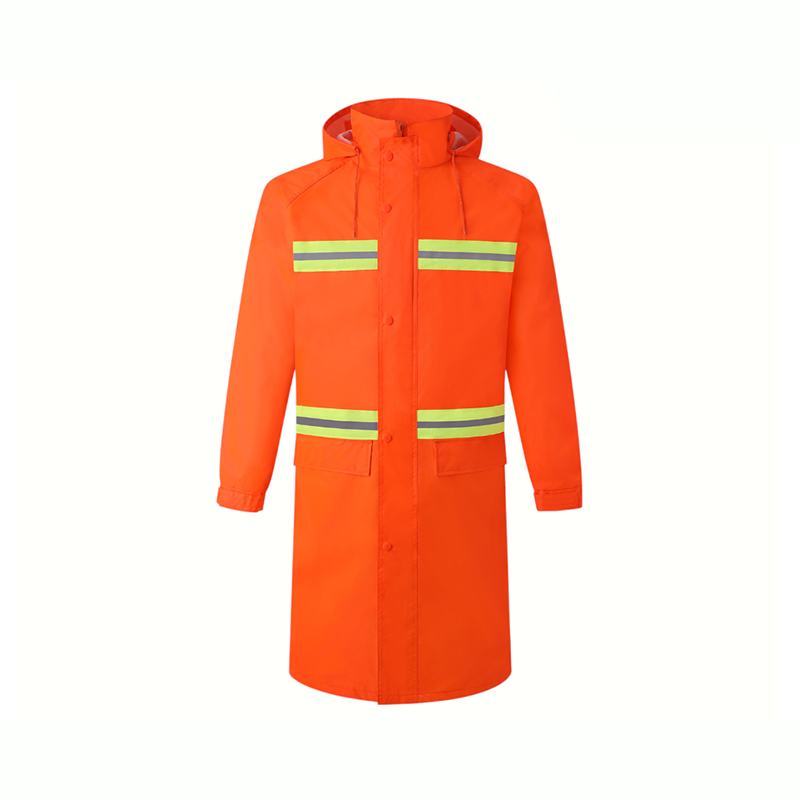
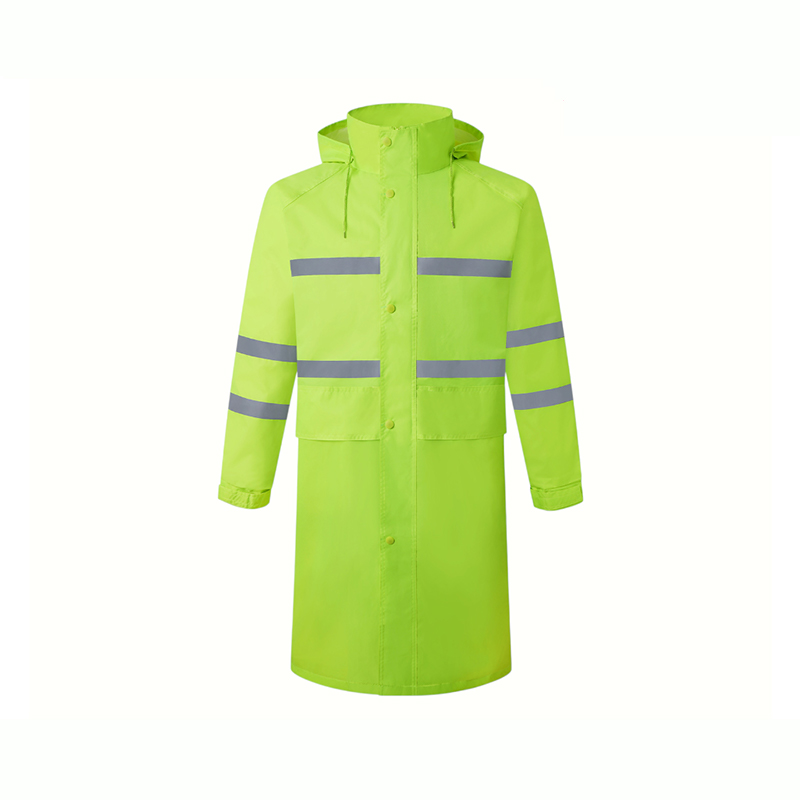
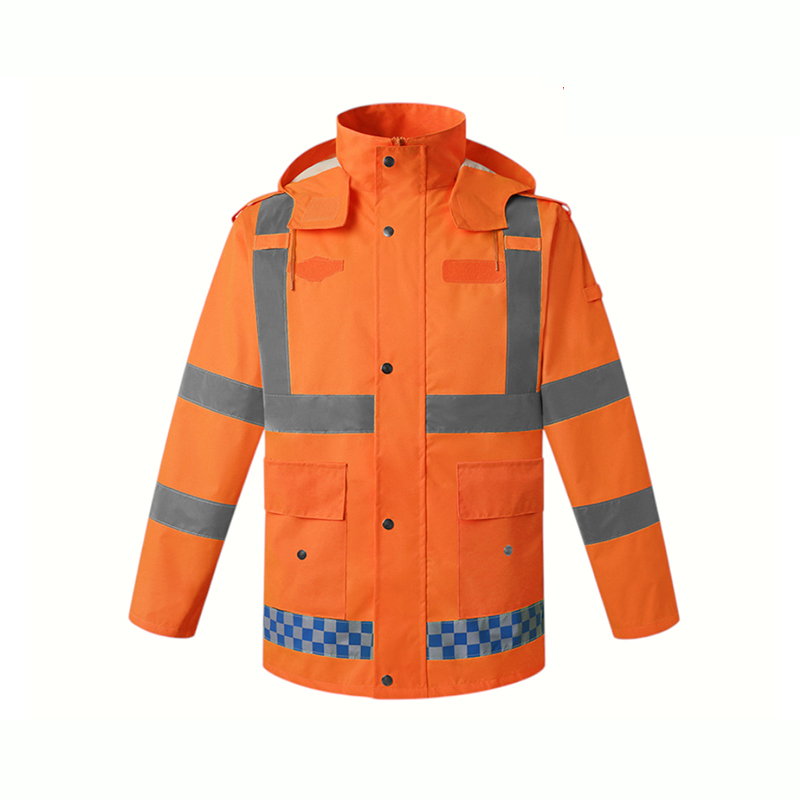
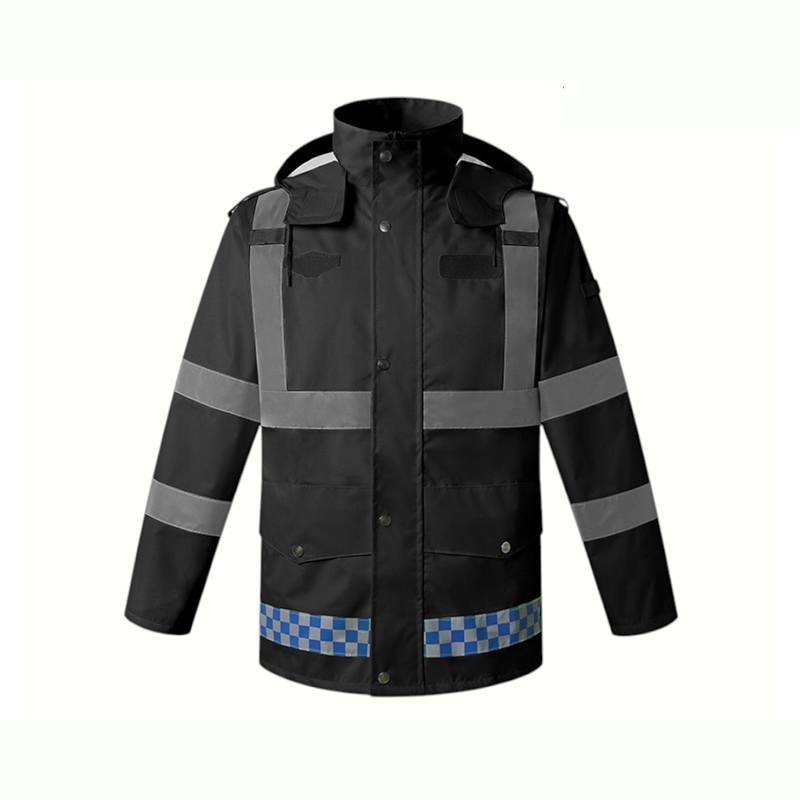
In demanding work environments where visibility and protection are non-negotiable, the choice of material for safety apparel directly impacts both worker confidence and on-site safety outcomes. Among the myriad of fabric options available, oxford fabric high-visibility safety jacket/pants have emerged as the industry standard for road crews, construction teams, and utility workers. This preference is not accidental—it is rooted in the fabric's exceptional balance of durability, weather resistance, and cost-effectiveness. This article explores why oxford fabric dominates the safety wear market, how it compares to alternatives, and why global suppliers like Hangzhou Lutai Import and Export Trading Co., Ltd. have built their production around this versatile material.
1. Oxford Fabric: The Structural Backbone of Modern Safety Wear
Oxford fabric is a woven textile characterized by a basket-weave structure, typically made from 100% polyester or nylon. For safety applications, oxford fabric high-visibility safety jacket/pants are engineered with a high-denier count—commonly 300D, 600D, or 1680D—which directly correlates with tear strength and abrasion resistance. Unlike plain woven polyesters, oxford's crosshatch pattern distributes stress across multiple yarns, preventing rips from propagating. This structural integrity is vital for garments worn in rough environments, where snags on rebar, sharp tools, or vehicle edges are daily hazards. The fabric's tight weave also provides a stable substrate for PU (polyurethane) coatings, which impart waterproofing without sacrificing flexibility.
Definition and Core Positioning
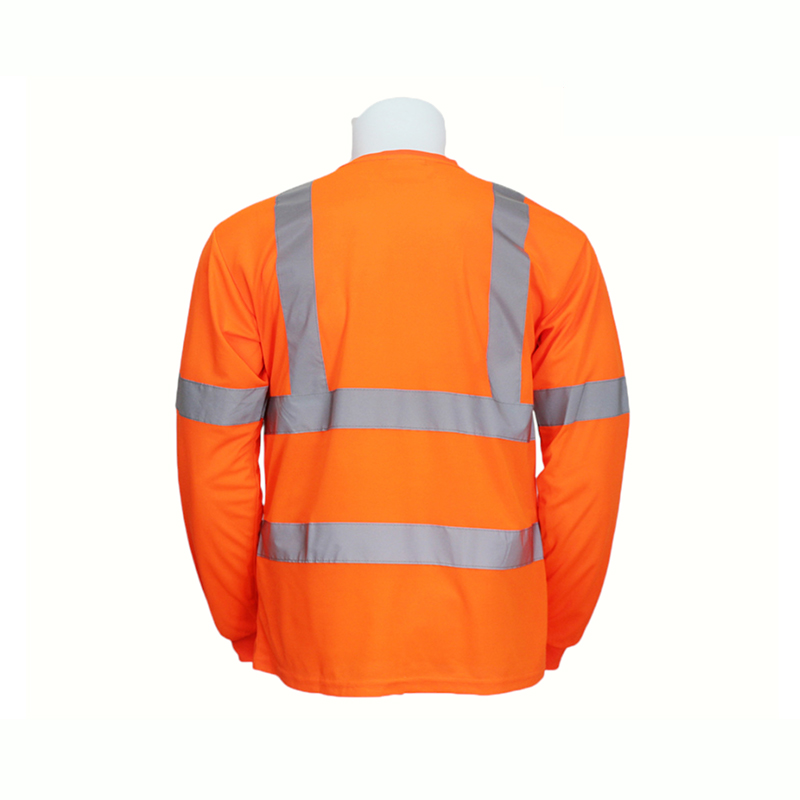
In the safety apparel hierarchy, oxford fabric occupies the mid-to-premium tier—positioned between lightweight spun polyester and heavy-duty canvas. It is specifically designed for high visibility reflective vest and full-body protective suits that require all-day wearability. Unlike tarpaulin or PVC-coated materials, oxford remains breathable enough for active work while offering superior mechanical defense. This balance makes it the go-to choice for wholesale hi vis reflective vest programs where employers must equip large crews with gear that performs across seasons.
Technical Features and Material Science
- PU Waterproof Coating: The surface layer repels water while maintaining a hydrostatic head of over 800mm, ensuring dryness in moderate rain.
- Full-Sealed Seam Construction: Except for specific models (e.g., JC-6306), all seams are taped to block moisture ingress—a critical feature for outdoor road workers.
- Fixed Quilting Inner Lining: Provides thermal insulation without shifting, reducing user adjustment time and improving comfort during extended shifts.
- CE EN471 Class 2 Certification: Guarantees that the garment meets European standards for chromaticity and retroreflective performance, a mandatory requirement for many public infrastructure projects.
Typical Applications
Road construction crews rely on class 2 reflective safety vest garments made from oxford for daytime highway work, while utility linemen prefer the jacket-and-pant combo during night shifts. The material is also specified for airport ground handling staff, warehouse logistics teams, and emergency response units. In colder climates, the lined version serves as an outer shell over thermal base layers, reducing the need for separate rain gear.
Differentiation from Other Fabric Types
Compared to standard polyester, oxford offers 40–60% higher tear resistance. Versus cotton-based hi-vis, it dries faster and resists mildew. Relative to nylon, it costs less while delivering comparable abrasion performance. This cost-to-durability ratio makes oxford fabric high-visibility safety jacket/pants the most economical choice for large-scale procurement without compromising safety standards.
2. Classification by Denier and Coating: Matching Fabric Weight to Work Intensity
Not all oxford fabrics are equal. The denier (D) rating and coating type define the garment's suitability for specific tasks. Based on our manufacturing experience at Hangzhou Lutai Import and Export Trading Co., Ltd., we categorize oxford safety wear into three primary sub-series: Light-Duty (300D), Medium-Duty (600D), and Heavy-Duty (1680D). Each series addresses distinct risk profiles and environmental conditions.
Light-Duty 300D Oxford: Mobility-First Design
The 300D variant is the lightest option, weighing approximately 180–200 g/m². It is primarily used for traffic safety reflective vest models where agility is paramount—such as flaggers, parking attendants, and event security personnel. The fabric's lower density allows for greater breathability and packability, making it ideal for warm-weather use or as a lightweight overlay. However, its abrasion resistance is moderate; it is not recommended for crawling or heavy friction environments. The PU coating on 300D is typically thinner, offering water-repellency rather than full waterproofing. This category excels in urban settings where visibility, not mechanical protection, is the primary concern.
Medium-Duty 600D Oxford: The Versatile Workhorse
600D oxford represents the sweet spot for general construction and road maintenance. With a weight of 220–260 g/m², it offers twice the tear strength of 300D while remaining flexible. Most road worker reflective vest and jacket models from our JC series are manufactured using this grade. The thicker PU coating, combined with fully sealed seams (except JC-6306), creates a reliable barrier against rain and splashes. The fixed quilting inner lining adds warmth without bulk, extending the working season from spring to late autumn. In our testing, 600D samples withstood over 15,000 cycles of abrasion (Martindale method) before showing wear, far exceeding the EN standard requirement of 10,000 cycles.
Heavy-Duty 1680D Oxford: Extreme Protection for High-Risk Zones
Reserved for the most punishing applications—oil rig maintenance, mining operations, and heavy equipment repair—1680D oxford is a double-weave construction with a density exceeding 280 g/m². It resists cuts, punctures, and scuffs from rough metal surfaces. The extra-thick PU coating provides genuine waterproof integrity, and all seams are triple-stitched and taped as standard. While heavier, this fabric ensures that waterproof reflective work vest and pants remain intact even after repeated washing and exposure to hydraulic fluids. Workers in these roles often pair 1680D pants with a matching jacket to create a full-body defense system that meets both CE EN471 Class 2 and EN343 (waterproof) standards.



 Español