What Are Portable Traffic Control Devices?
In the domain of road safety and traffic management, the term traffic control devices encompasses a wide range of equipment designed to regulate, warn, and guide motorists, cyclists, and pedestrians. Among these, portable traffic control devices represent a critical subcategory—engineered specifically for flexibility, rapid deployment, and temporary applications. Unlike permanent installations, these movable solutions provide dynamic adaptability for construction zones, special events, and emergency response scenarios. This article explores the nature, classifications, technical advantages, and global supply ecosystem of portable traffic control devices, with a special focus on high-performance polymer solutions from leading manufacturers and suppliers.
1. Defining Portable Traffic Control Devices
Portable traffic control devices are non-permanent systems used to establish safe, temporary traffic patterns. They are indispensable for road maintenance, utility work, lane shifts, and incident management. The core philosophy behind these devices is rapid deployment and retrieval, allowing work crews to set up safe zones within minutes while ensuring clear, unambiguous driver guidance. According to the MUTCD (Manual on Uniform Traffic Control Devices), all portable devices must meet strict standards for visibility, stability, and durability—even under repeated handling and harsh weather.
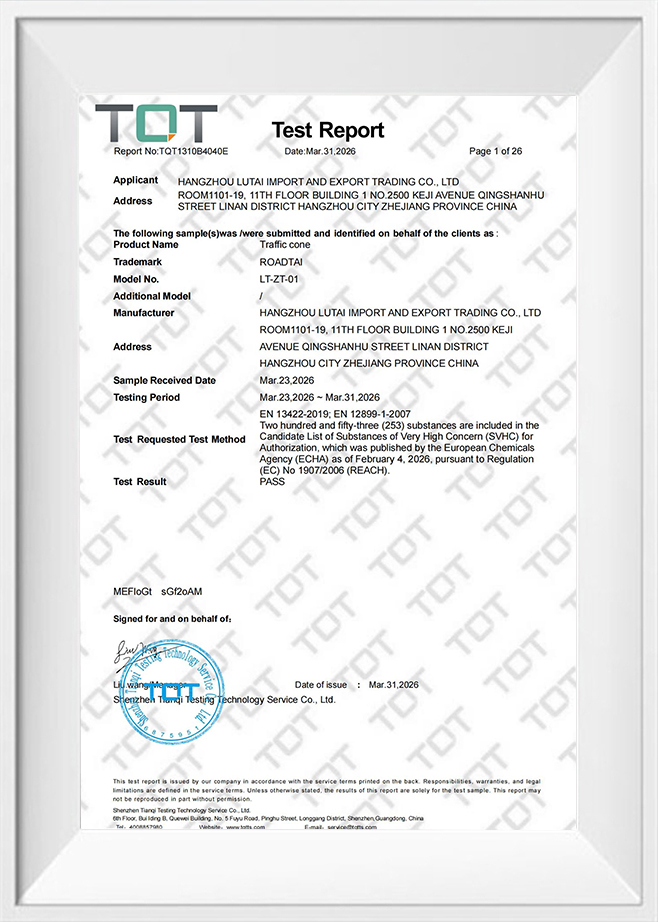
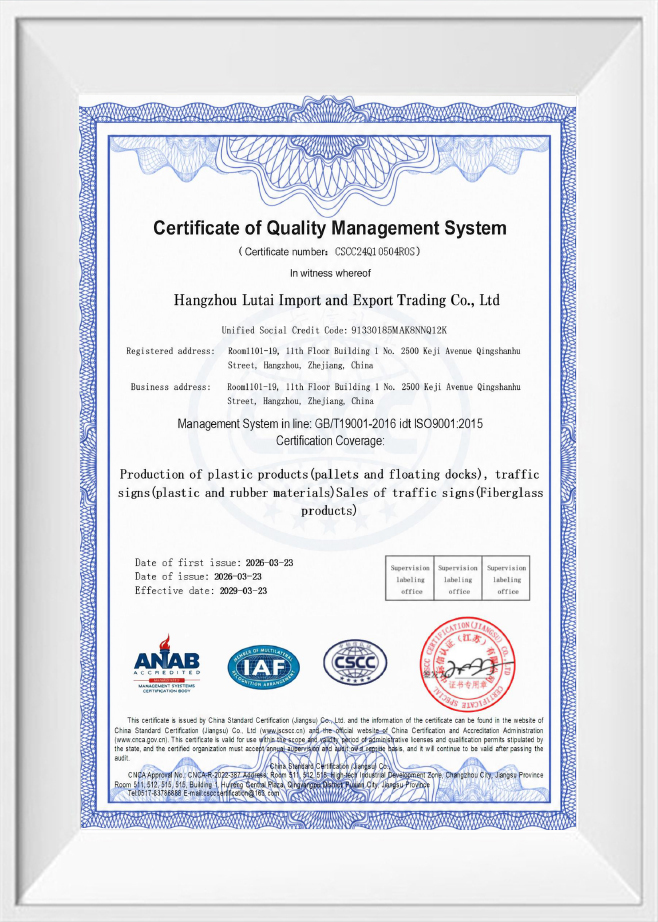
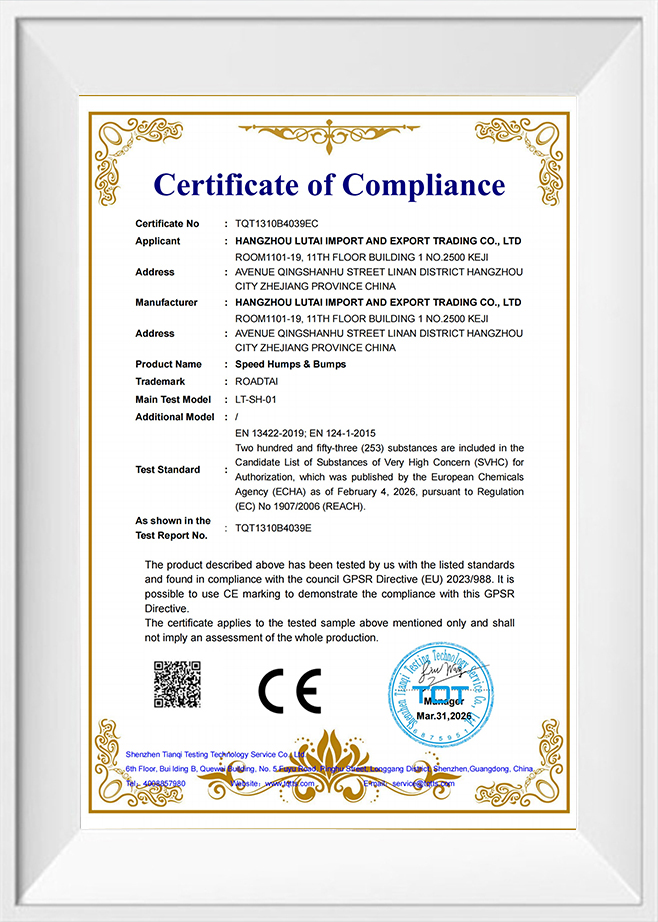
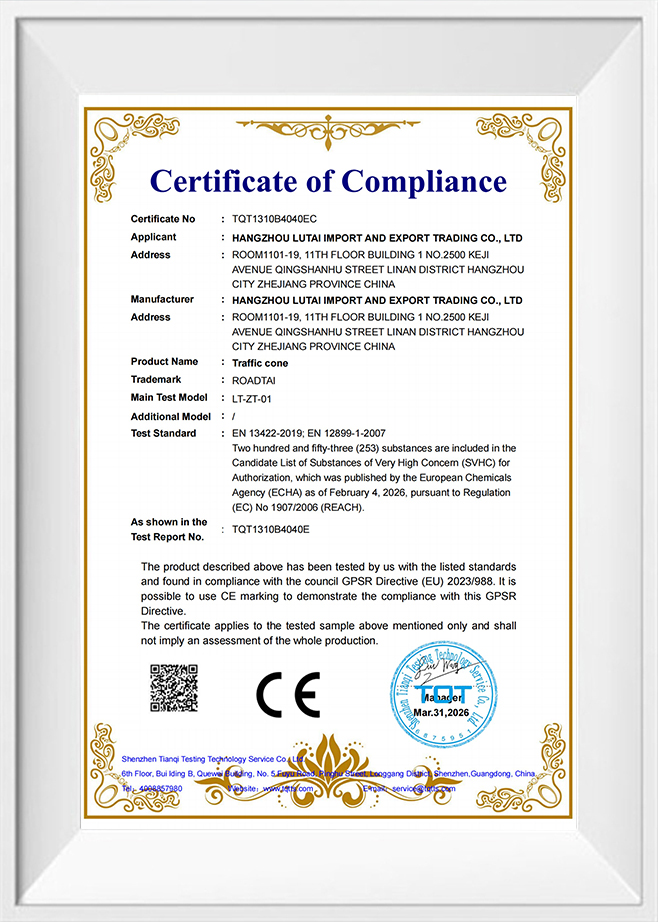
China Traffic Safety Equipment Suppliers have become global leaders in this segment, offering cost-effective yet high-quality solutions. Companies like Hangzhou Lutai Import and Export Trading Co., Ltd. combine advanced R&D with factory-direct pricing to deliver devices that satisfy CE, CNAS, and ISO 9001 requirements. Their product lines focus on impact resilience and high-visibility retroreflection, making them ideal for both municipal and highway applications.
2. Primary Categories of Portable Traffic Control Devices
To understand the full scope of portable traffic control devices, it is useful to examine them through three major product families: channelizing devices (delineator posts and cones), road studs and markers, and solar-powered warning lights. Each category addresses a distinct safety need, and together they form a comprehensive temporary traffic management system.
2.1 Channelizing Devices – Delineator Posts & Traffic Cones
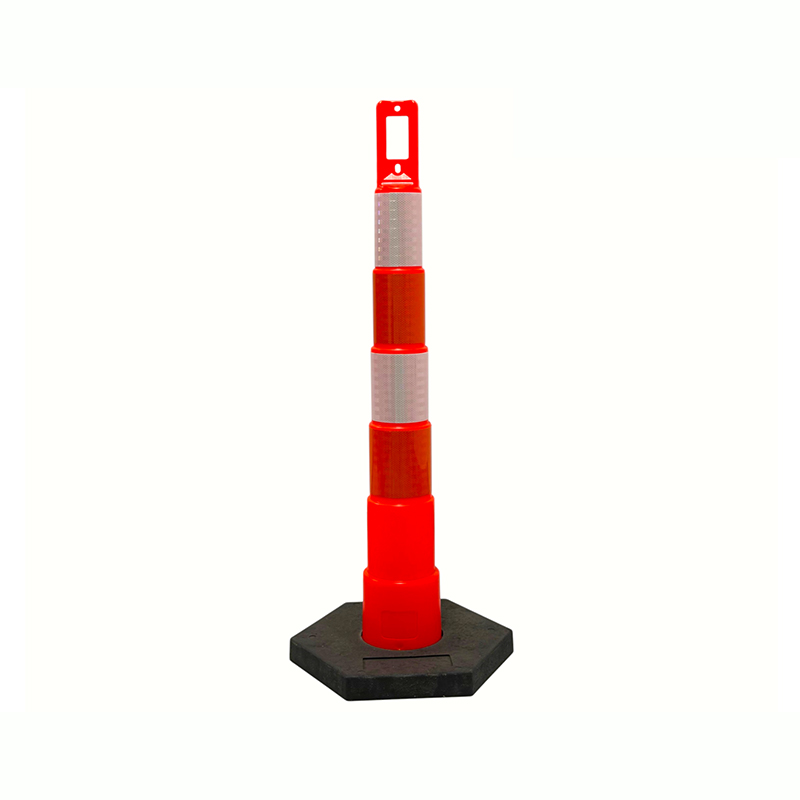
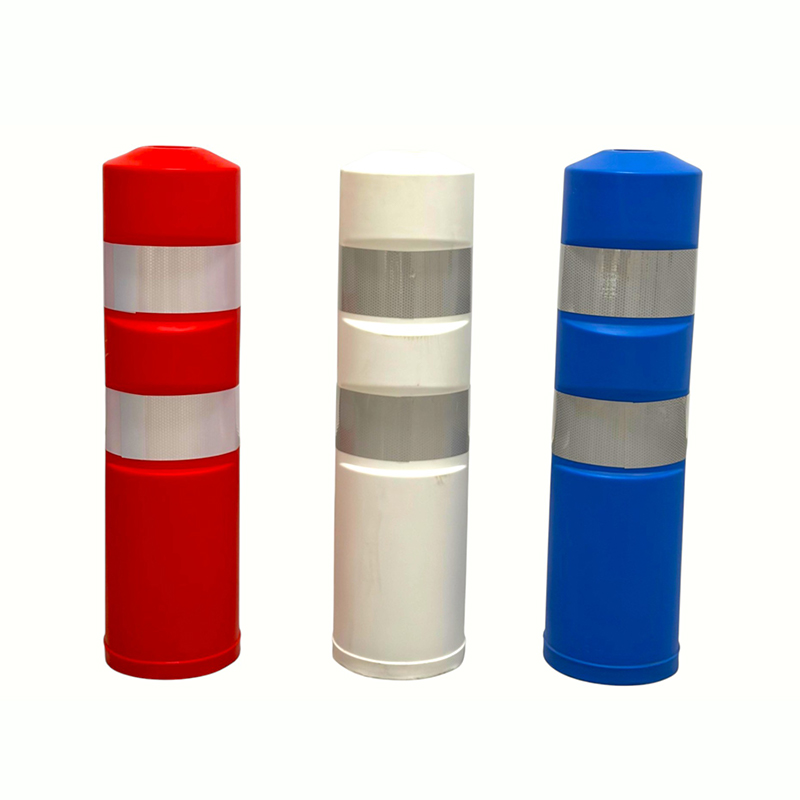
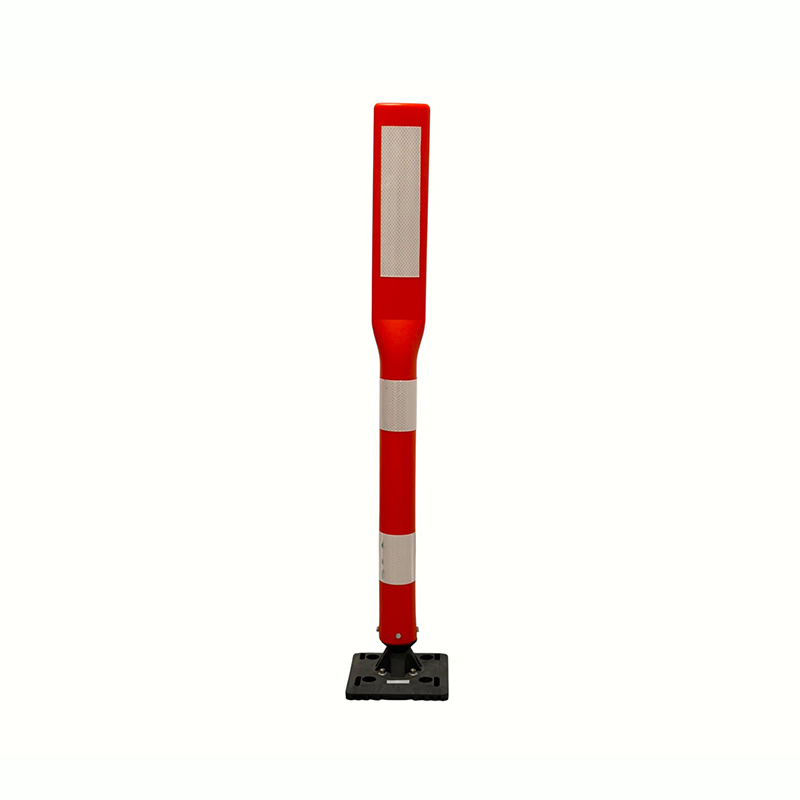
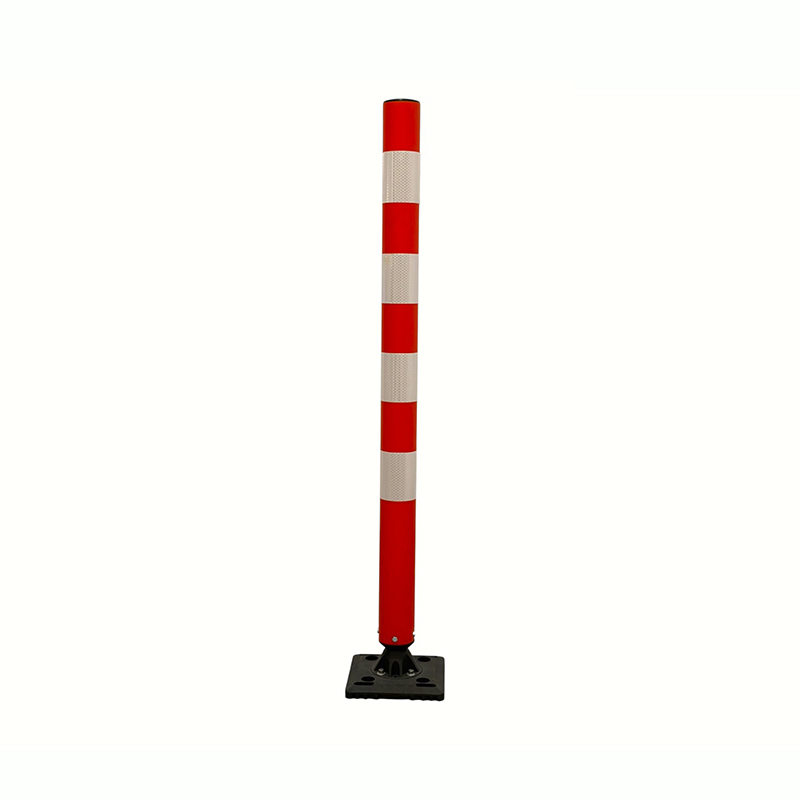
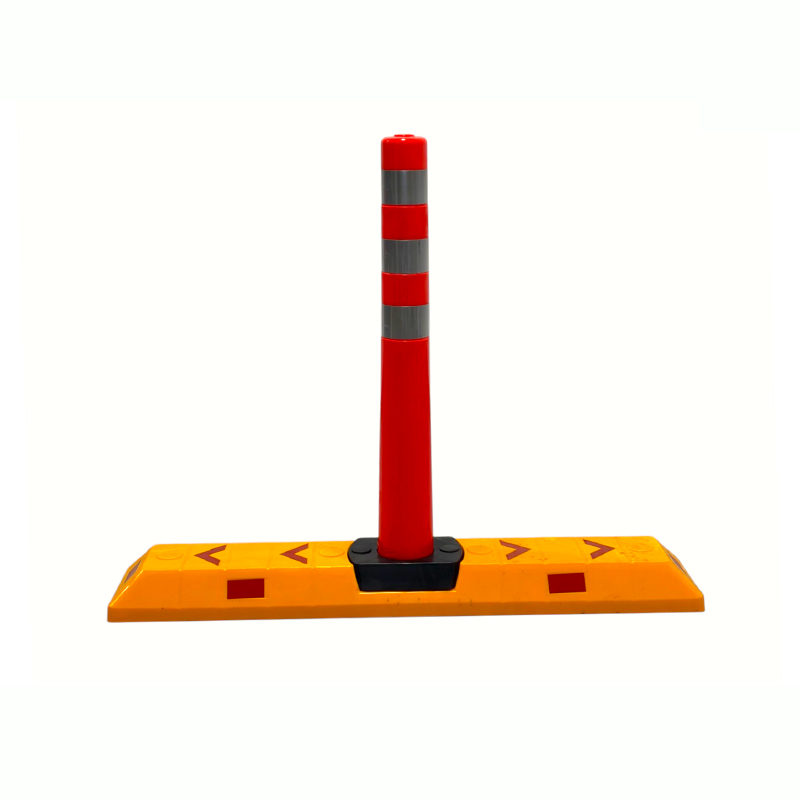
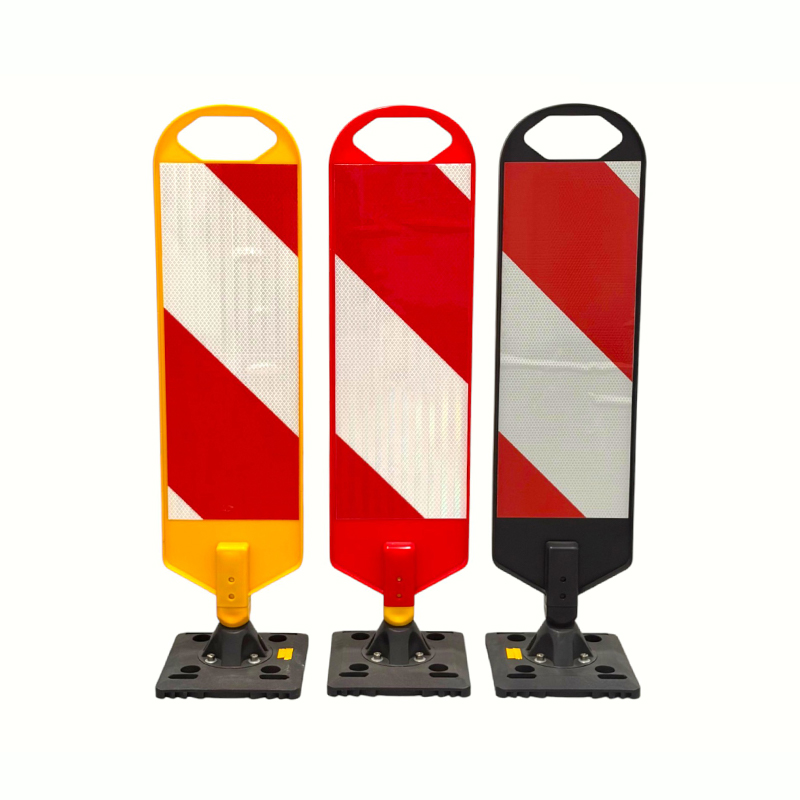
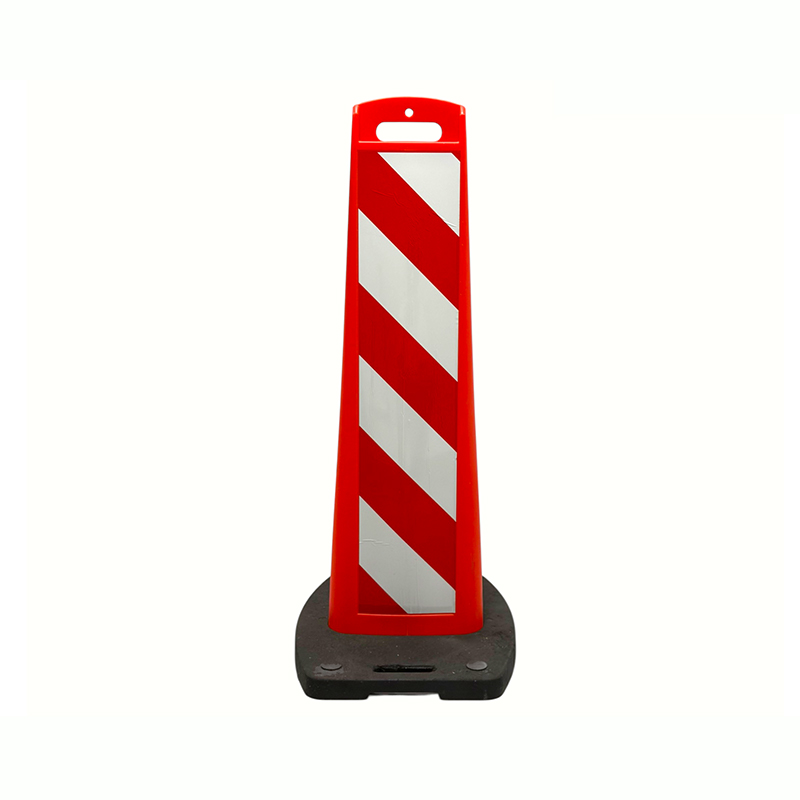
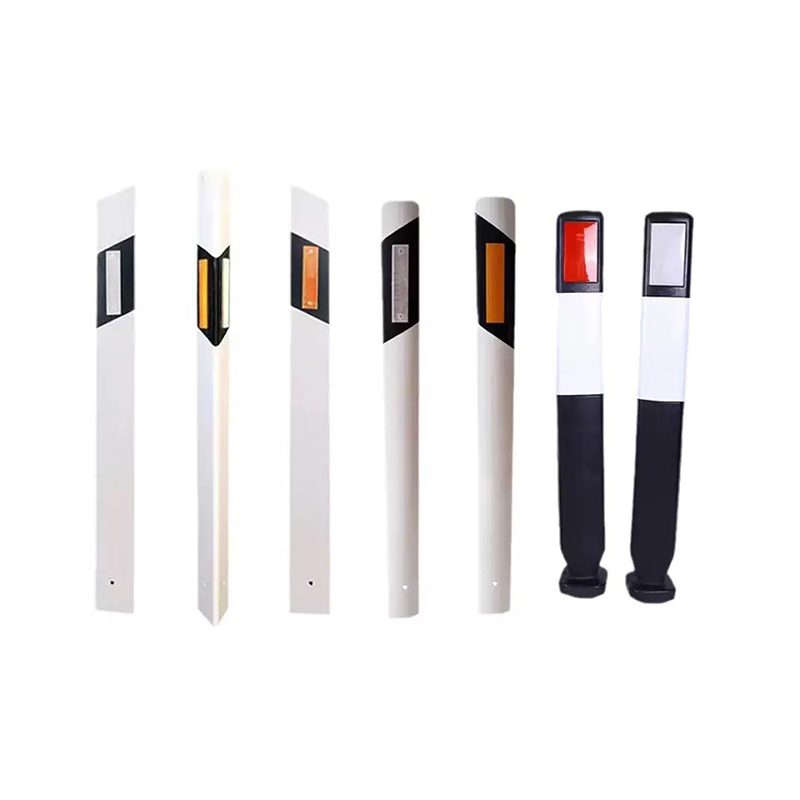
This category includes vertical panels, delineator posts, and reflective traffic cones—the most visible elements of any work zone. Their primary function is to define safe paths and separate traffic from hazards. Modern versions utilize materials with "memory recovery" properties, as featured in the product portfolio of Hangzhou Lutai Import and Export Trading Co., Ltd. These high-performance PVC/PU posts bend upon impact and quickly rebound to their original shape, significantly reducing secondary accidents caused by debris or displaced objects.
Key technical features include:
- High-intensity reflective sheeting (compatible with 3M materials) for night visibility.
- Base designs with superior wind resistance (tested up to 120 km/h).
- UV-stabilized pigments to prevent fading in prolonged sunlight.
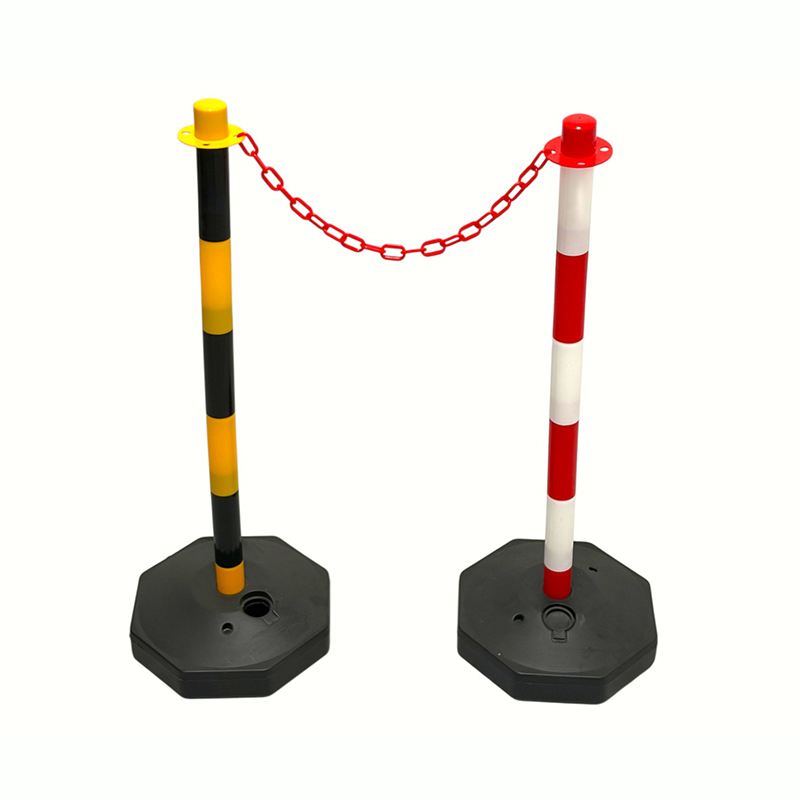
Typical applications range from highway diversions and urban intersection modifications to temporary lane closures during utility repairs. Compared to rigid barriers, these Custom HDPE Traffic Control Products offer the advantage of lightweight portability and easy stacking, reducing transportation costs and crew fatigue. For municipal safety assurance, delineator posts remain the first line of defense against inadvertent lane encroachment.
2.2 Road Studs & Reflective Markers
Road studs—often called "cat's eyes"—are low-profile portable markers that provide continuous guidance along lane edges, centerlines, and exit ramps. While some are permanent, many are designed as removable temporary studs for work zones and event routing. Their core function is to enhance lane delineation in low-visibility conditions (rain, fog, night) through high-index glass beads or LED illumination.
Highway Safety Products Factory outputs have evolved to include bi-directional and omnidirectional designs, ensuring visibility from multiple approach angles. The technical advantage of these devices lies in their compressive strength—they must withstand repeated vehicle tire loads without fracturing. Additionally, solar-powered studs are gaining traction, storing daylight energy to power built-in LEDs after dusk, thereby offering active guidance without external wiring.
In practice, road studs are deployed in conjunction with cones and delineators to create a layered safety system. For instance, during night-time highway resurfacing, reflective studs are placed every 10–15 meters to supplement the vertical guidance provided by posts. This combination ensures that traffic control devices address both near-field and far-field visibility—a principle central to the design philosophy of experienced suppliers like Hangzhou Lutai, whose R&D team continuously tests stud performance under extreme temperature variations.
2.3 Solar-Powered Warning Lights & Flashing Beacons
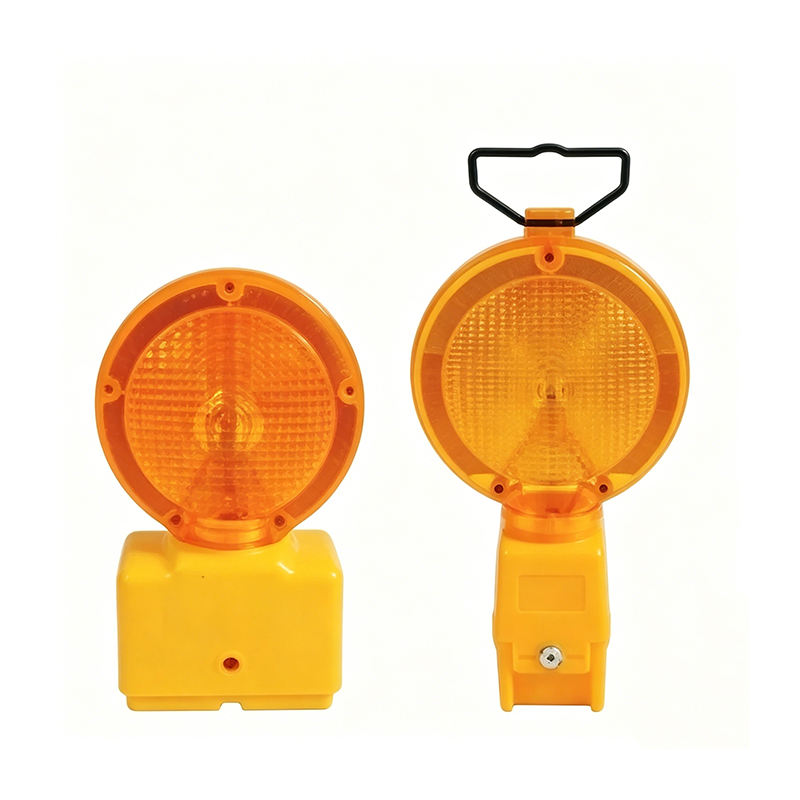
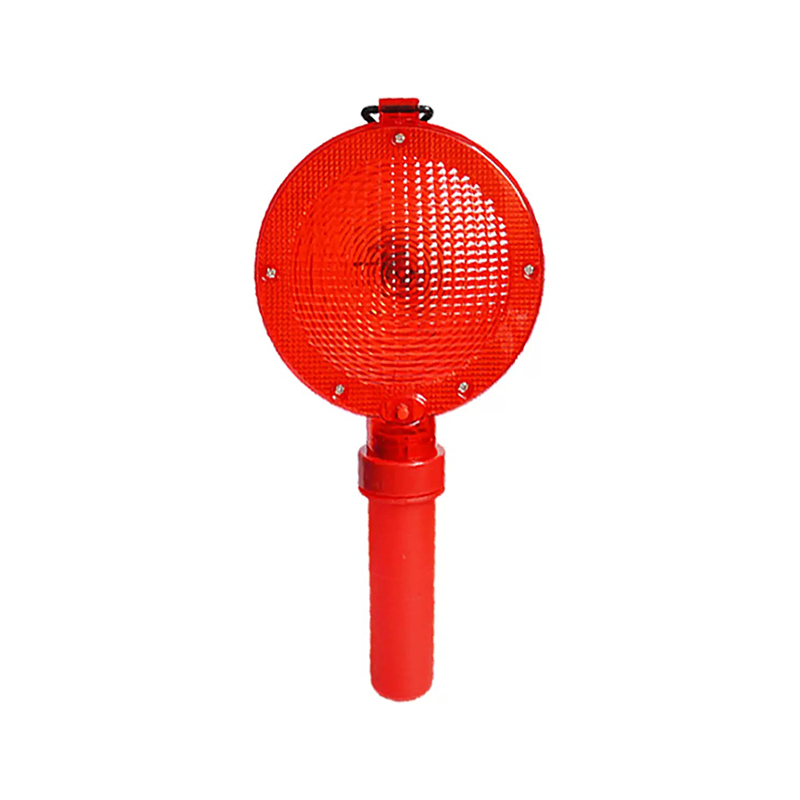
Active warning lights represent the third pillar of portable traffic management. These self-contained units feature solar panels, rechargeable batteries, and high-intensity LED arrays that emit flashing amber or red signals. They are typically mounted on cones, barricades, or portable stands to alert drivers of approaching hazards, lane closures, or reduced speed zones.
The unique value of solar warning lights lies in their independent power source, making them truly portable and installable anywhere, regardless of grid access. Advanced models incorporate light sensors that automatically activate at dusk and adjust flash patterns based on ambient brightness. HDPE Highway Safety Plastic Products are often used for housings due to their lightweight, corrosion-resistant, and impact-absorbing characteristics—qualities that align perfectly with the product specifications of leading China Traffic Safety Equipment Suppliers.
Typical uses include: temporary crosswalk warnings, merge-point alerts, and construction zone entrance/exit notifications. Compared to static signage, flashing beacons increase driver reaction time by up to 40%, according to field studies. Their modular design also allows daisy-chaining of multiple units for synchronized flashing patterns, creating a cohesive visual corridor.
3. Comparative Analysis – Key Specifications
The following table summarizes the critical differences among the three portable device categories, highlighting their respective strengths and ideal deployment contexts. This comparison is particularly useful for procurement managers and safety engineers evaluating Custom HDPE Traffic Control Products from global suppliers.
| Feature |
Delineator Posts & Cones |
Road Studs/Markers |
Solar Warning Lights |
| Primary Function |
Vertical channelization |
Horizontal lane delineation |
Active hazard alert |
| Visibility Range |
Up to 300m (reflective) |
150–200m (retroreflective) |
500m+ (flashing LED) |
| Power Source |
Passive (reflective) |
Passive or solar (optional) |
Solar + battery |
| Impact Resilience |
High (memory recovery) |
Medium (compression-resistant) |
Low (housing protects internals) |
| Typical Lifespan |
3–5 years (outdoor) |
2–4 years (traffic wear) |
3–6 years (battery cycle) |
4. Operational Advantages & Implementation Workflow
Deploying portable traffic control devices effectively requires a systematic approach. Below is a recommended workflow for temporary zone setup, based on industry best practices and the product support capabilities offered by Hangzhou Lutai Import and Export Trading Co., Ltd. and other Highway Safety Products Factory partners.
- Site assessment: Evaluate road geometry, speed limits, and work duration to select appropriate device types and quantities.
- Device configuration: Match cones, delineators, studs, and lights to the specific hazard profile (e.g., night work requires active lighting).
- Placement & spacing: Follow MUTCD guidelines for taper lengths and lateral offsets to ensure smooth traffic transitions.
- Continuous monitoring: Inspect devices daily for displacement, damage, or battery status; replace or reposition as needed.
- Retrieval & storage: After project completion, clean, inspect, and store devices in dry, UV-protected environments to extend service life.
This workflow underscores the importance of standardized product dimensions and interchangeable accessories—a key advantage when sourcing from a single supplier with ISO-certified manufacturing. Companies like Hangzhou Lutai provide detailed installation guides and technical support, ensuring that even complex multi-device setups are executed without confusion.
5. Quality Assurance and Global Supply Chain
The reliability of portable traffic control devices hinges on rigorous quality control and material science. Reputable China Traffic Safety Equipment Suppliers have invested heavily in automated injection molding and precision assembly lines. For instance, Hangzhou Lutai operates two advanced bases in Taizhou and Henan, enabling factory-direct pricing while maintaining strict adherence to ISO 9001, CE, and CNAS certifications.
Their OEM/ODM capabilities allow customization of colors, reflective grades, and base weights—an essential service for municipalities with specific local regulations. Moreover, their R&D team focuses on material optimization, combining HDPE and PVC blends to achieve both flexibility and durability. This engineering expertise ensures that HDPE Highway Safety Plastic Products perform consistently across extreme environments, from scorching desert highways to icy mountain passes.
With exports to North America, Europe, Asia-Pacific, and the Middle East, Hangzhou Lutai exemplifies how Custom HDPE Traffic Control Products can be tailored to meet diverse international standards. Their commitment to "Competing through Quality, Growing through Mutual Benefit" resonates with contractors who require dependable, cost-effective safety solutions for temporary projects.
Frequently Asked Questions
Q1: What is the main difference between passive and active portable traffic control devices?
Passive devices—such as reflective cones and delineator posts—rely on retroreflective sheeting to bounce light back from vehicle headlights. Active devices, like solar-powered warning lights, emit their own flashing light signals. Active units are more visible at longer distances and in adverse weather, but they require battery maintenance. In practice, most safety zones use a hybrid combination for optimal visibility.
Q2: Can portable traffic control devices be customized for specific road projects?
Yes. Leading suppliers like Hangzhou Lutai Import and Export Trading Co., Ltd. offer full OEM/ODM services, including custom colors, logos, reflective sheeting grades, and base weight adjustments. This flexibility ensures that traffic control devices comply with local regulations and project-specific safety plans without compromising performance.
Q3: How do "memory recovery" materials improve safety in work zones?
Memory recovery refers to a material's ability to absorb impact and rapidly return to its original shape. This property prevents fragmented debris from becoming secondary projectiles, and it keeps delineator posts upright after minor vehicle brushes—maintaining continuous guidance and reducing the need for frequent replacements. It is a standard feature in high-quality HDPE Highway Safety Plastic Products.
Q4: What certifications should I look for when sourcing portable traffic control devices from China?
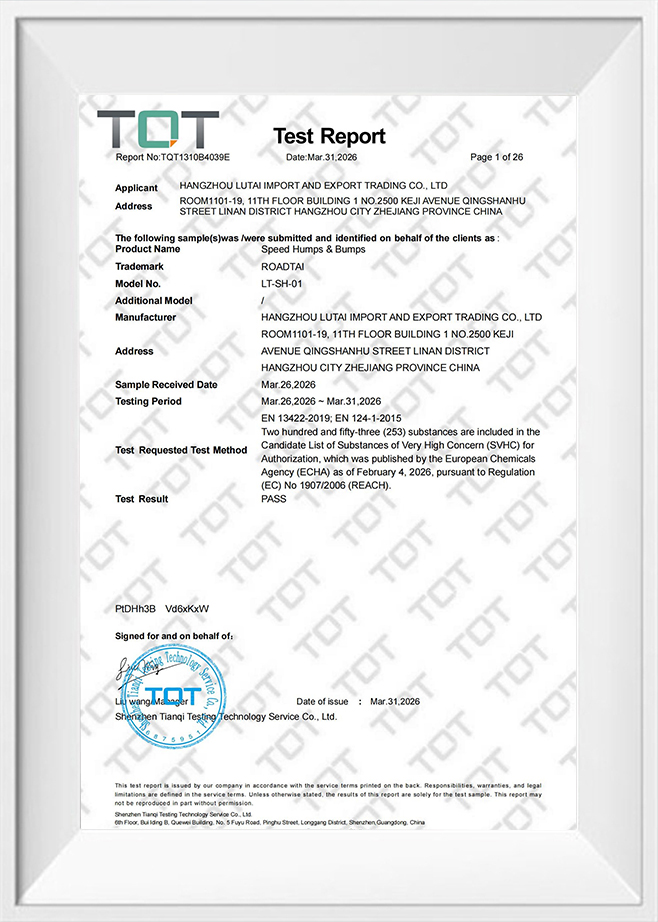
Reputable China Traffic Safety Equipment Suppliers typically provide ISO 9001 (quality management), CE (European safety), and CNAS (laboratory accreditation) certifications. Additionally, products should meet MUTCD or equivalent regional standards for retroreflectivity and color specification. Requesting test reports and third-party audit certificates is strongly recommended.



 Español