What Are the Different Types of Perimeter Barriers for Site Protection?
Securing a construction site, a large-scale public event, or an industrial facility begins at the edge—the perimeter. The choice of barriers & site protection directly determines how effectively you can manage crowds, stop unauthorized vehicles, and protect workers and assets. Modern perimeter solutions have moved far beyond simple chain-link fences. Today, professionals rely on a layered approach that combines portable delineators, water-filled barriers, and modular plastic systems to create dynamic, responsive boundaries. This article examines the main types of perimeter barriers, their technical advantages, and how leading suppliers like Hangzhou Lutai Import and Export Trading Co., Ltd. are transforming site safety through engineering and innovation.
1. Expandable PE Plastic Barriers – Modular Efficiency
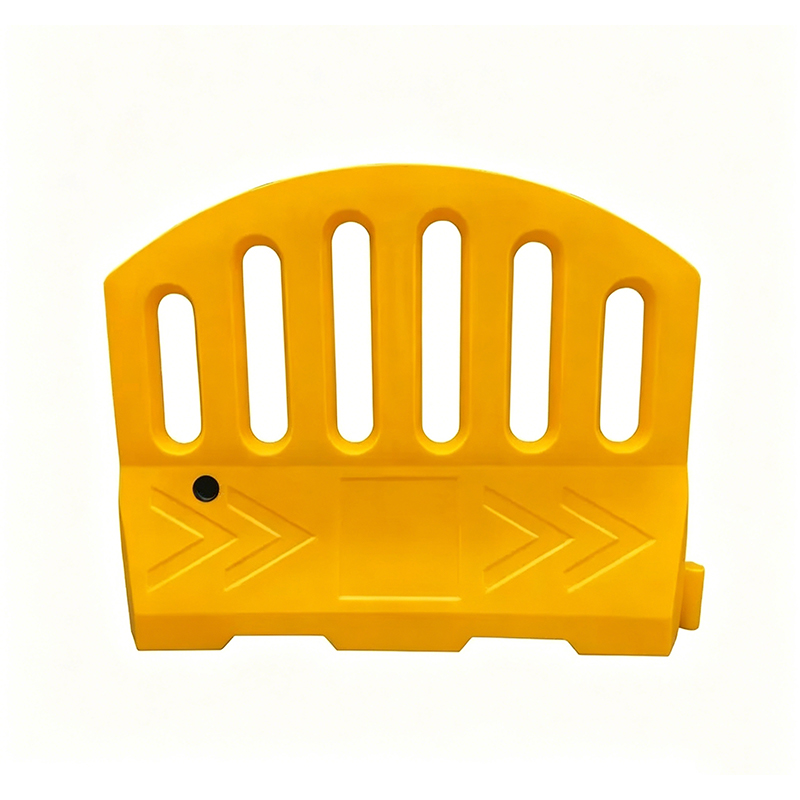
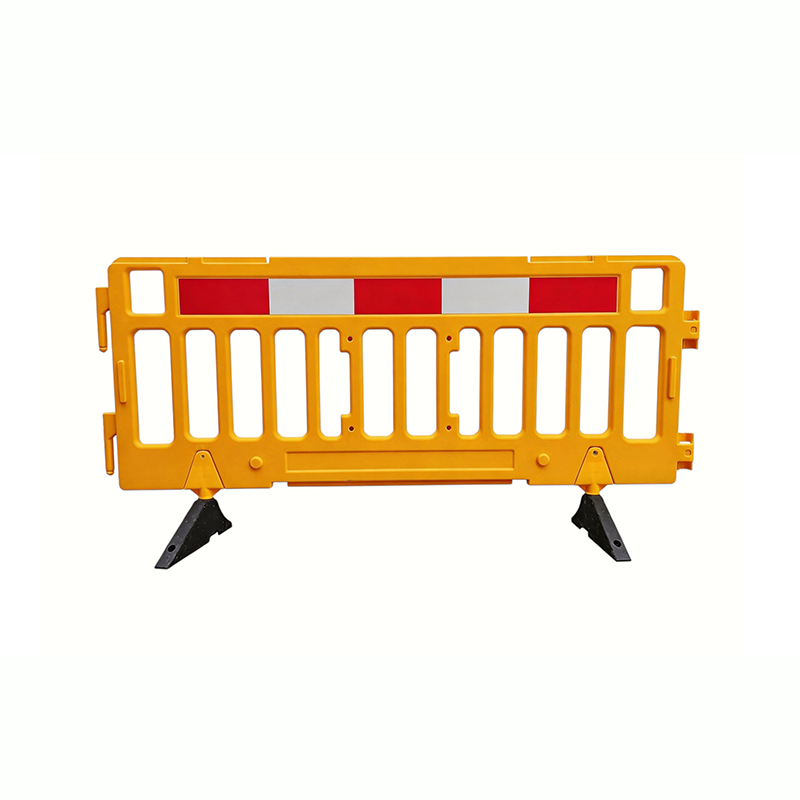
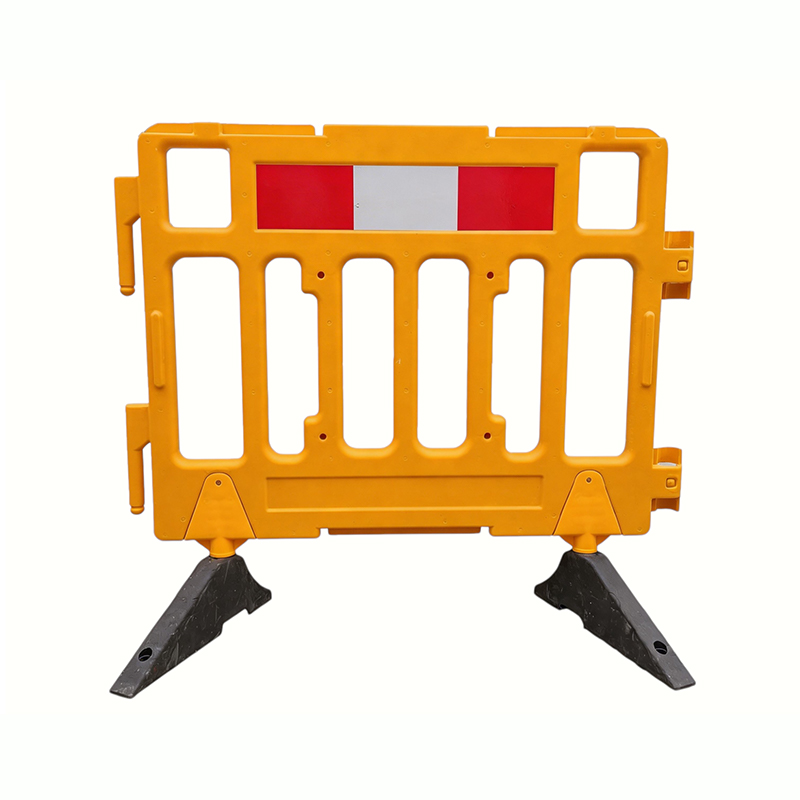
The first major category in modern barriers & site protection is the expandable high-density polyethylene (PE) barrier. Designed for rapid deployment and space-efficient storage, these barriers consist of interlocking panels that fold like an accordion. A single worker can extend a collapsed unit to create a continuous wall up to several meters long in under two minutes—a critical advantage for emergency response or dynamic work zones.
Core Features & Technical Advantages
- One-person deployment: No tools or heavy equipment required.
- Space-saving foldability: Collapsed units reduce storage volume by up to 70% compared to rigid panels.
- UV-stabilized PE: Resists cracking and fading under prolonged sun exposure.
- Integrated connection points: Allow daisy-chaining with warning chains or T-TOP posts for added visibility.
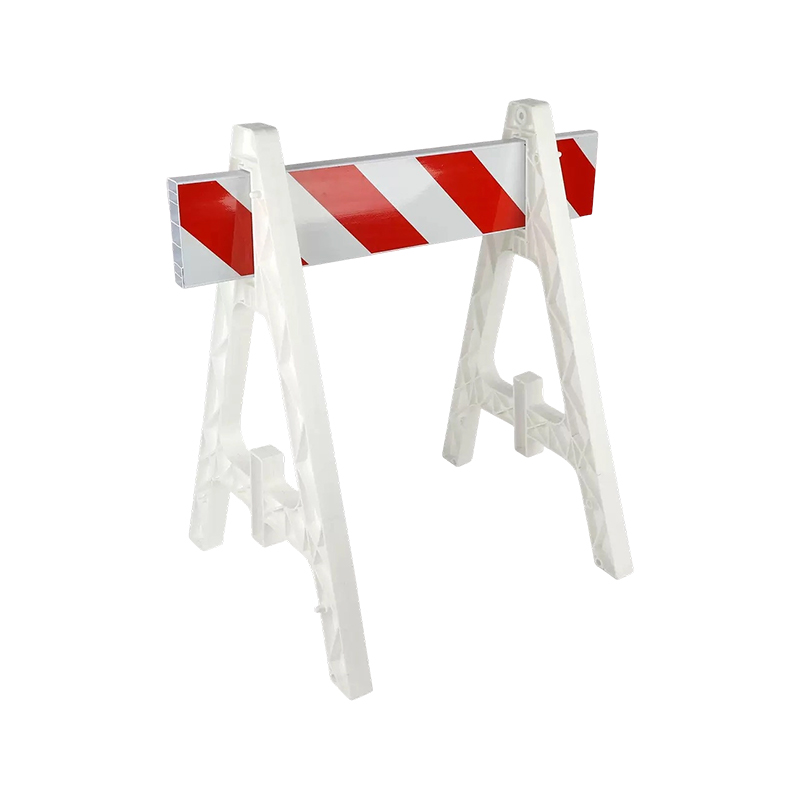
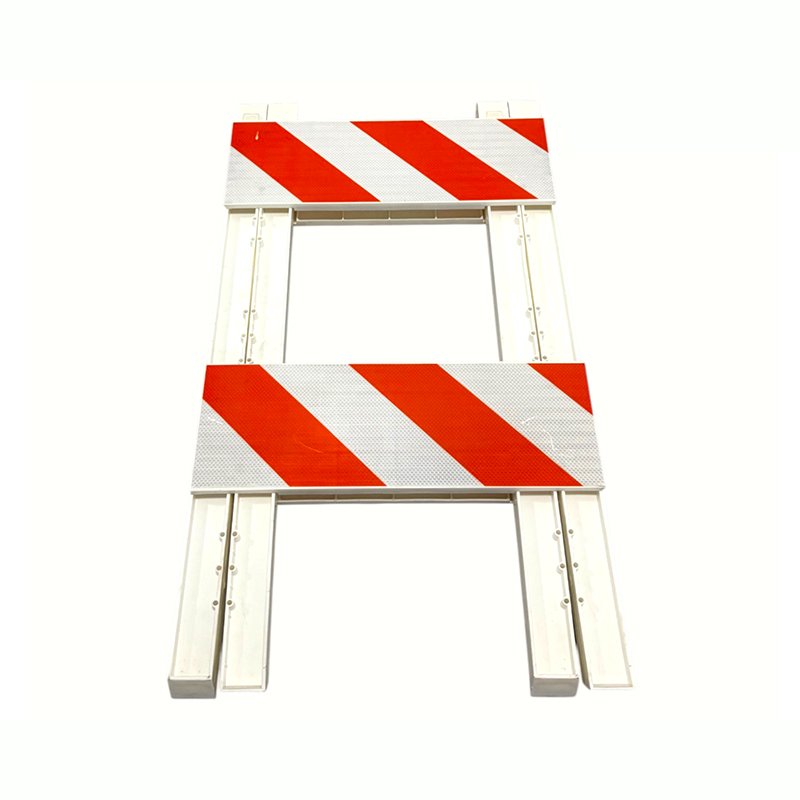
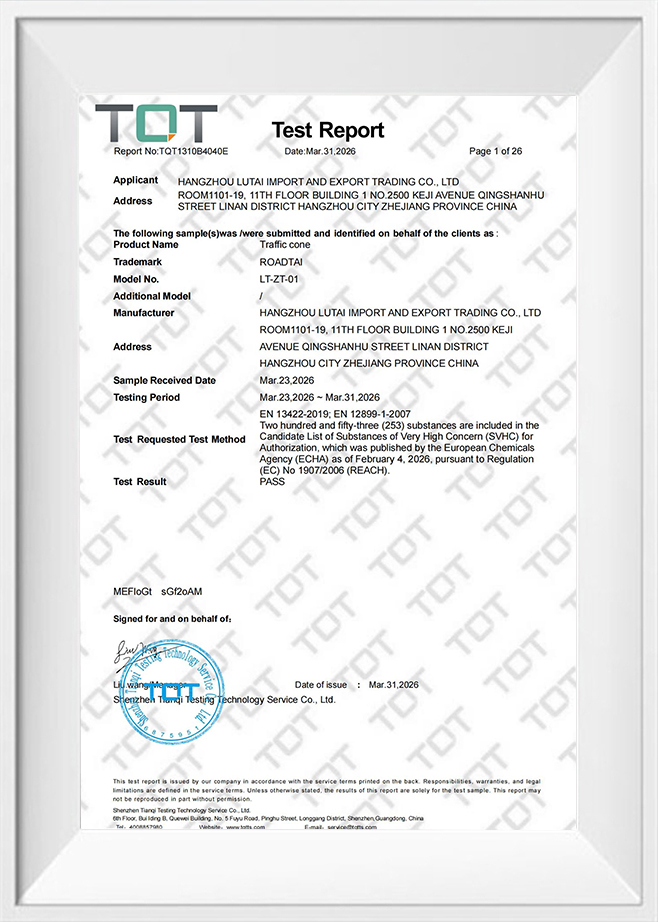
These barriers excel in crowd control at sporting events, exhibitions, and festival perimeters. Their bright orange or yellow surfaces provide high visibility, while the lightweight construction makes relocation effortless. Unlike concrete barriers, expandable PE units do not damage pavement surfaces, making them ideal for temporary use on asphalt or turf. For long-term projects, they can be paired with ballast weights to resist wind gusts. Hangzhou Lutai Import and Export Trading Co., Ltd. offers customized colors and logo printing on these units, ensuring brand visibility while maintaining safety compliance. When combined with reflective sheeting, they meet CE and CNAS requirements for night-time work zones.
From a lifecycle perspective, PE barriers have lower transport costs due to their nested design—a single pallet can hold twice as many units as traditional rigid barriers. This directly reduces the carbon footprint of logistics, a factor increasingly valued in municipal tenders. For site managers, the ability to quickly reconfigure access points without heavy machinery means less downtime and greater flexibility. In essence, expandable PE barriers represent the intersection of portability and durability within the broader barriers & site protection ecosystem.
2. T-TOP Portable Delineators – Versatile Visual Guidance
While physical stopping power is essential, visual guidance is equally critical. T-TOP portable delineators are lightweight, cone-like posts with a flat, stable base and a distinctive “T” shaped handle that allows for easy gripping and repositioning. These devices are not designed to stop a vehicle outright but to channel traffic, demarcate pedestrian pathways, and create psychological deterrents that reduce risky behavior.
Operational Strengths
- Ergonomic T-handle: Enables single-handed lifting and placement, even with work gloves.
- Stackable design: Up to 50 units can be stacked on a single dolly for rapid rollout.
- Reflective collars: Enhance night-time visibility from 200+ meters.
- Interlocking bases: Allow connection with warning chains to form continuous barriers.
Typical applications include lane separation in parking lots, pedestrian exclusion zones near excavation pits, and temporary bike lane protection during roadworks. Compared to traditional traffic cones, T-TOP delineators offer greater stability in windy conditions due to their lower center of gravity. They are also easier to clean and maintain, as the smooth PE surface resists dirt and paint adhesion. For events like marathons or parades, these delineators can be arranged in serpentine patterns to manage crowd flow without creating permanent obstructions.
Hangzhou Lutai Import and Export Trading Co., Ltd. produces T-TOP delineators with an optional weighted base that can be filled with sand or water, providing additional stability for highway shoulder work. The company’s R&D team has also developed a quick-release hinge that allows the T-handle to fold flat, reducing shipping volume by 15%. This attention to practical details makes T-TOP delineators a cost-effective choice for rental fleets and contractors who require frequent repositioning. When used in conjunction with expandable PE barriers, they form a comprehensive visual and physical layer—a hallmark of professional barriers & site protection planning.
3. Water-Filled Road Barriers – Impact Absorption & Mobility
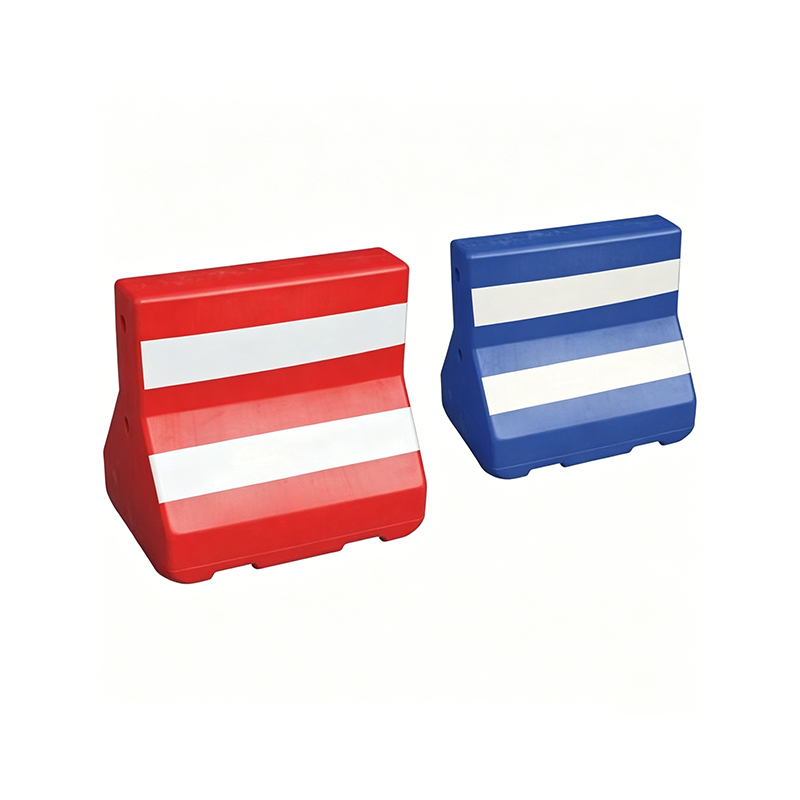
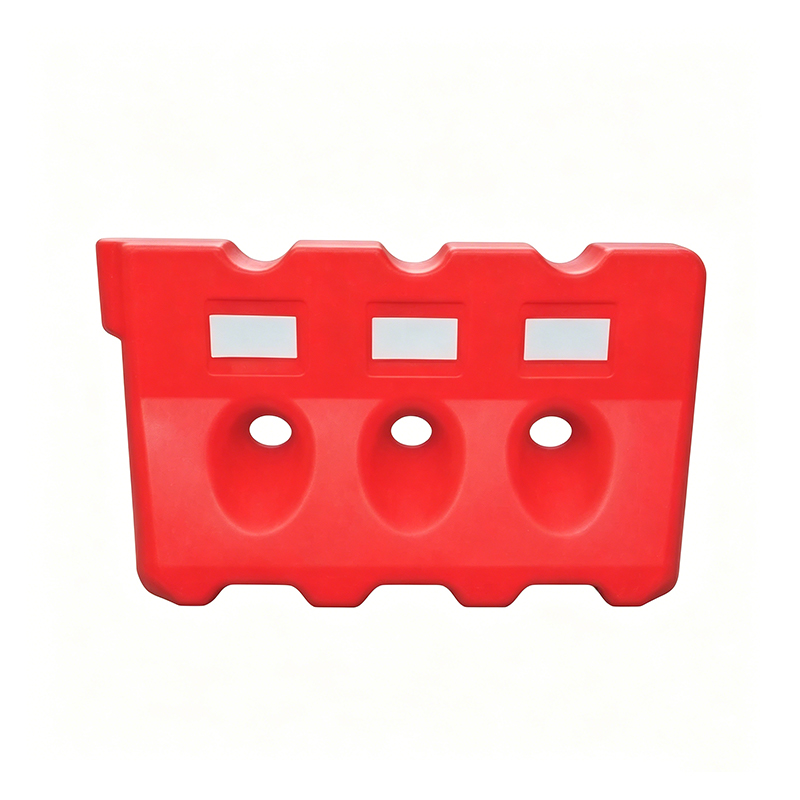
For sites requiring moderate crash protection—such as highway work zones, bridge repairs, or VIP event perimeters—water-filled barriers offer an optimal balance between mass and mobility. These hollow plastic shells can be transported empty (weighing as little as 25 kg) and filled on-site with water or sand, instantly converting them into robust, energy-absorbing walls.
Technical Specifications & Use Cases
| Feature |
Water-Filled Barrier |
Concrete Barrier |
| Empty Weight |
~25-40 kg |
~600-1500 kg |
| Filled Weight |
~300-500 kg |
(fixed) |
| Deployment Time (per unit) |
|
5-8 years |
2-4 years |
Frequently Asked Questions
Q1: What is the main difference between expandable PE barriers and water-filled barriers?
Expandable PE barriers are designed for rapid, temporary demarcation where vehicle impact is unlikely—they prioritize portability and storage efficiency. Water-filled barriers, on the other hand, are engineered for moderate crash protection; their mass (when filled) provides significant resistance to low-speed vehicle intrusion. For most construction site perimeters, a combination of both offers optimal coverage.
Q2: Can T-TOP delineators be used in freezing temperatures?
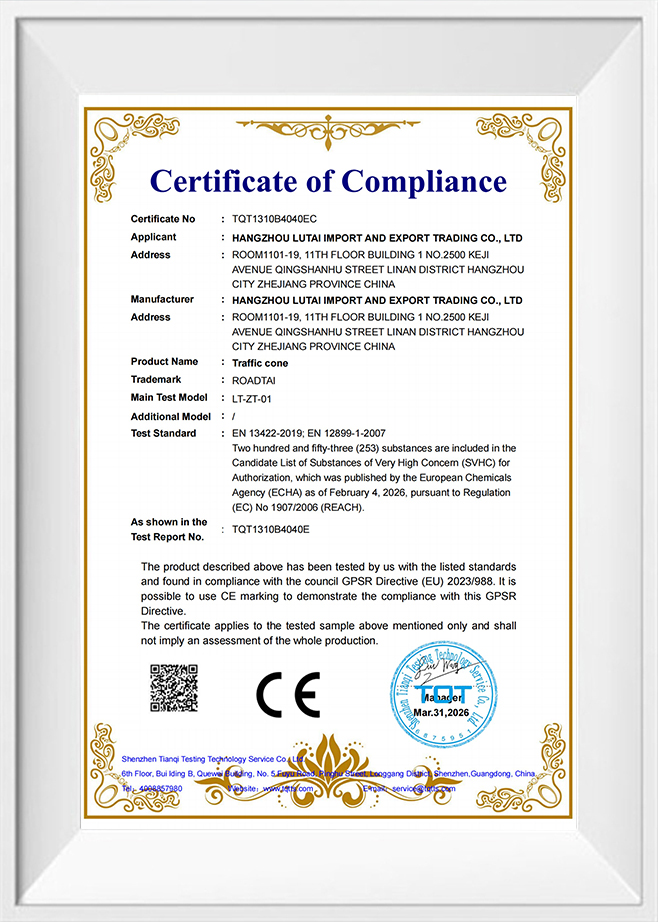
Yes. T-TOP delineators made from high-density PE remain flexible down to -20°C without becoming brittle. Hangzhou Lutai Import and Export Trading Co., Ltd. tests all its delineators under extreme temperature cycles to ensure they maintain structural integrity and colorfastness, meeting CE and CNAS standards.
Q3: How do I determine the correct spacing for perimeter barriers?
Spacing depends on the barrier type and the level of threat. For pedestrian control, T-TOP posts are typically placed 1.5–2 meters apart. For vehicle barriers, water-filled units should be spaced no more than 1 meter apart to prevent wheel penetration. Barriers & site protection best practices recommend consulting local traffic management guidelines and conducting a risk assessment for each unique site layout.
Q4: Does Hangzhou Lutai offer OEM/ODM services for custom barrier colors or logos?
Absolutely. Hangzhou Lutai Import and Export Trading Co., Ltd. specializes in custom development—from color matching to embossing company logos on PE panels. Their R&D team can also modify wall thickness, base dimensions, and connection mechanisms based on client samples, ensuring that your site protection solution aligns perfectly with your brand and operational requirements.



 Español